










Amidst the overwhelming joy of the mass hostage return, the first images of the released captives have elicited serious concern about the conditions they endured for 738 days in Hamas captivity. These early visuals present a stark and unsettling testament to the inhumane treatment the hostages suffered.
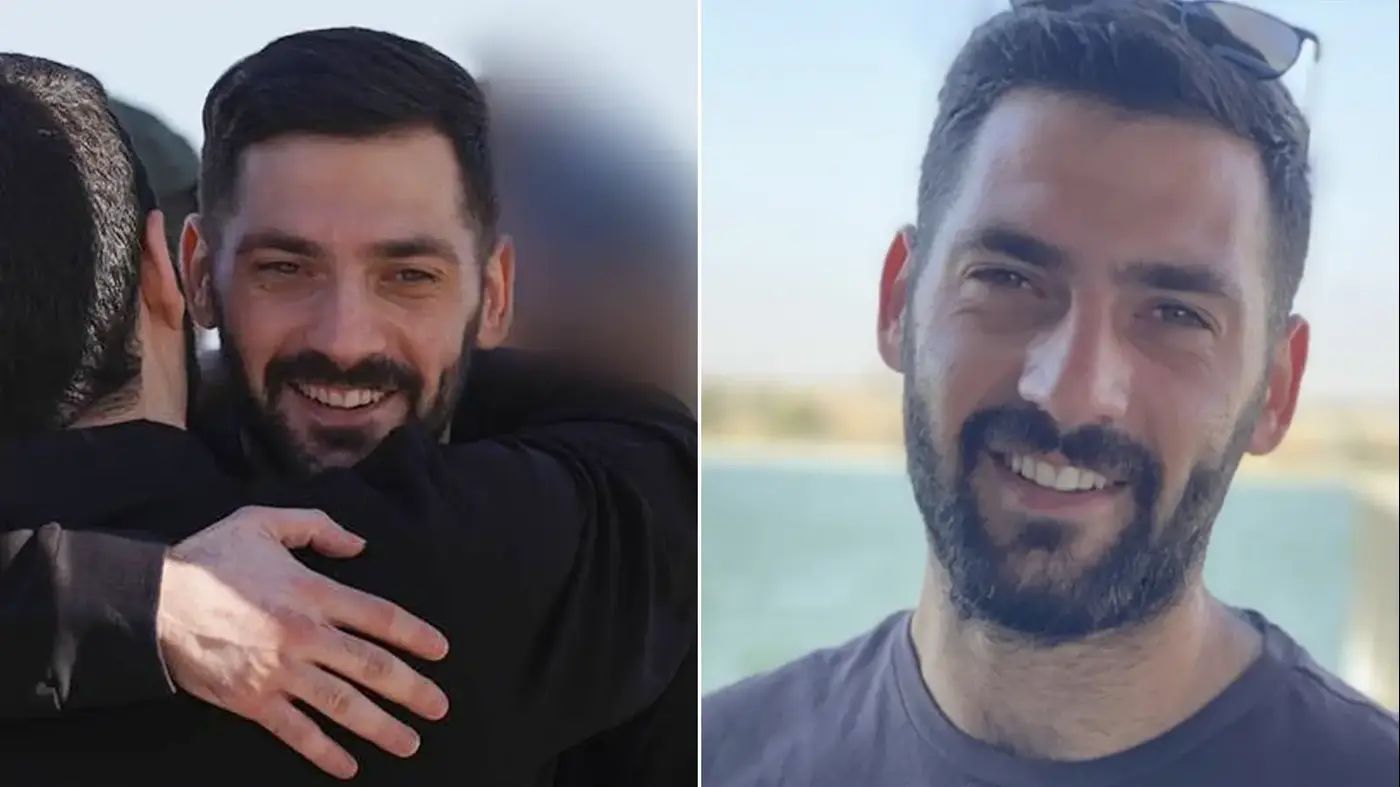
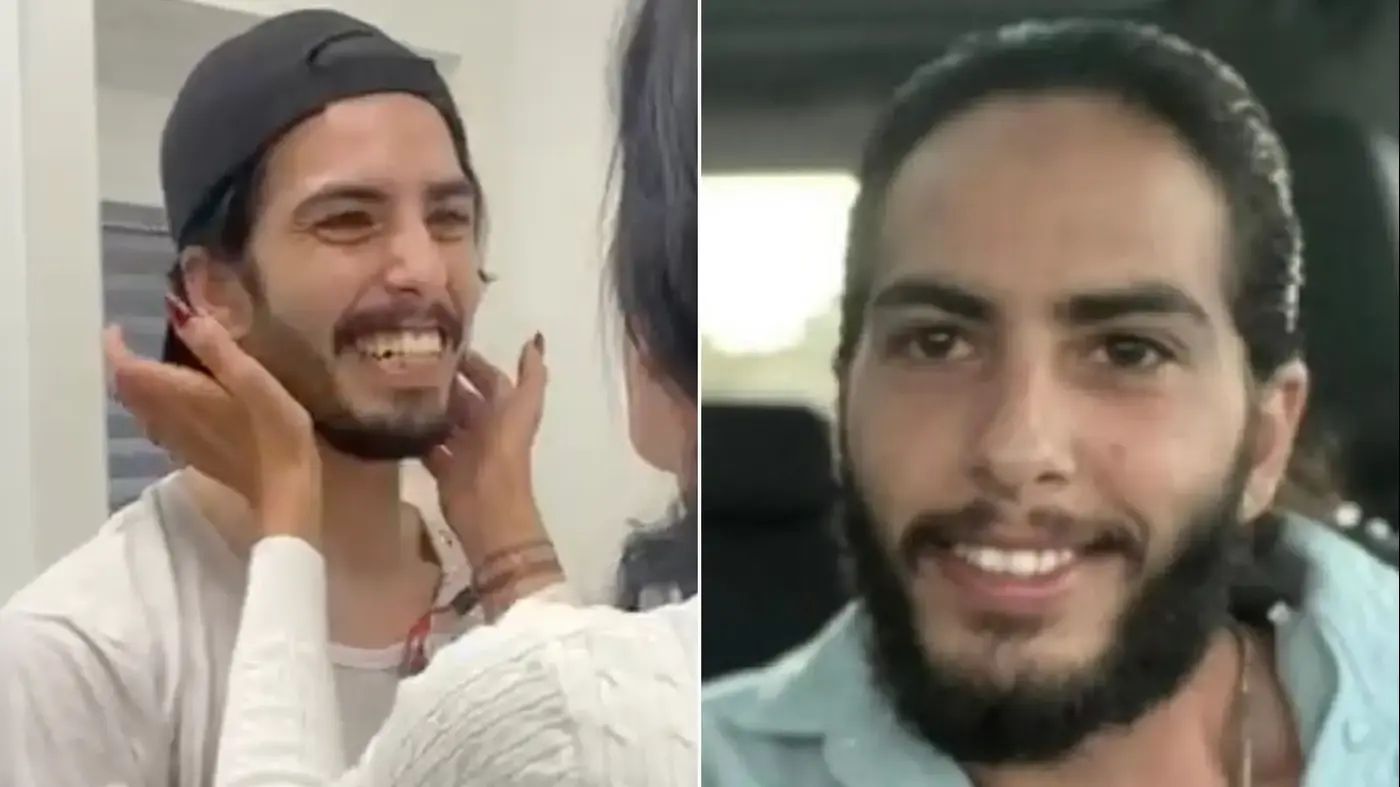
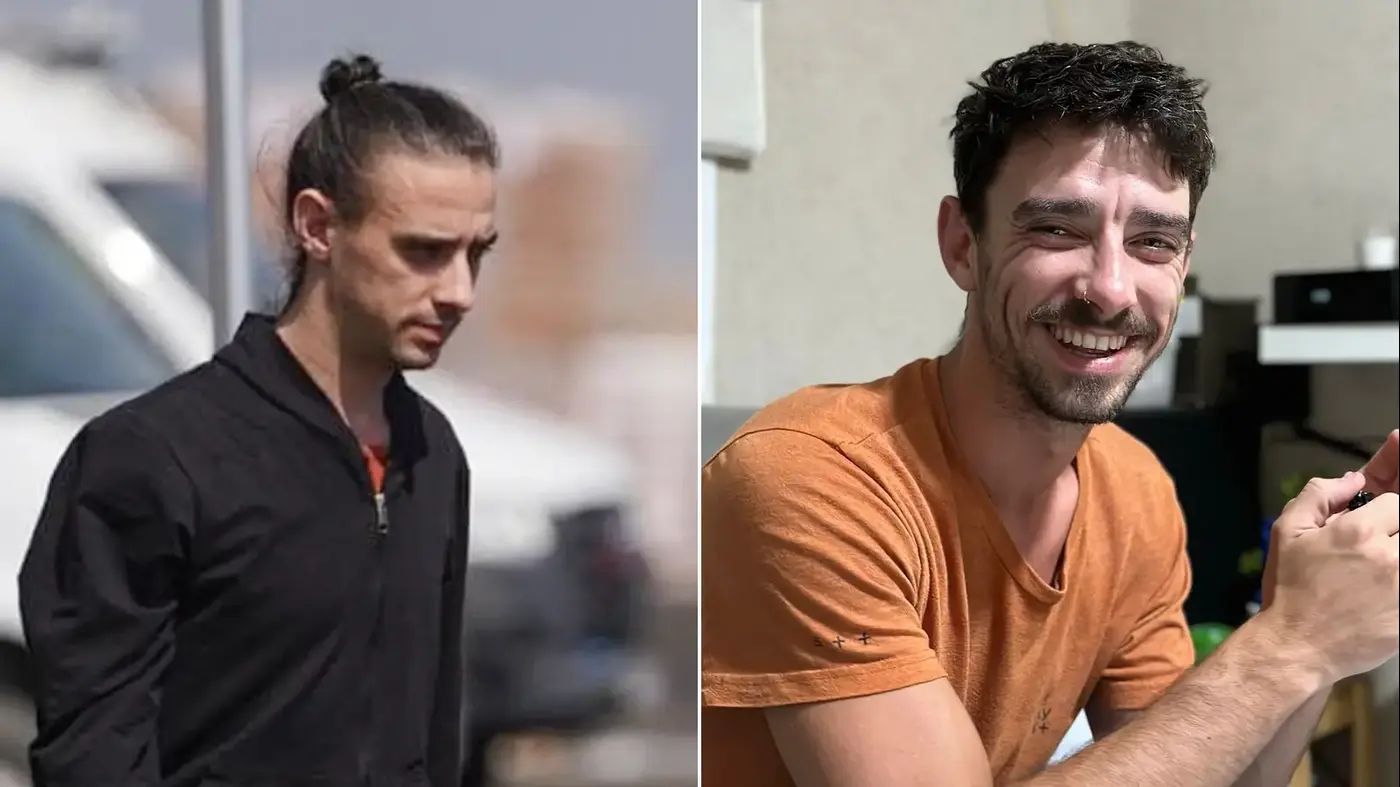
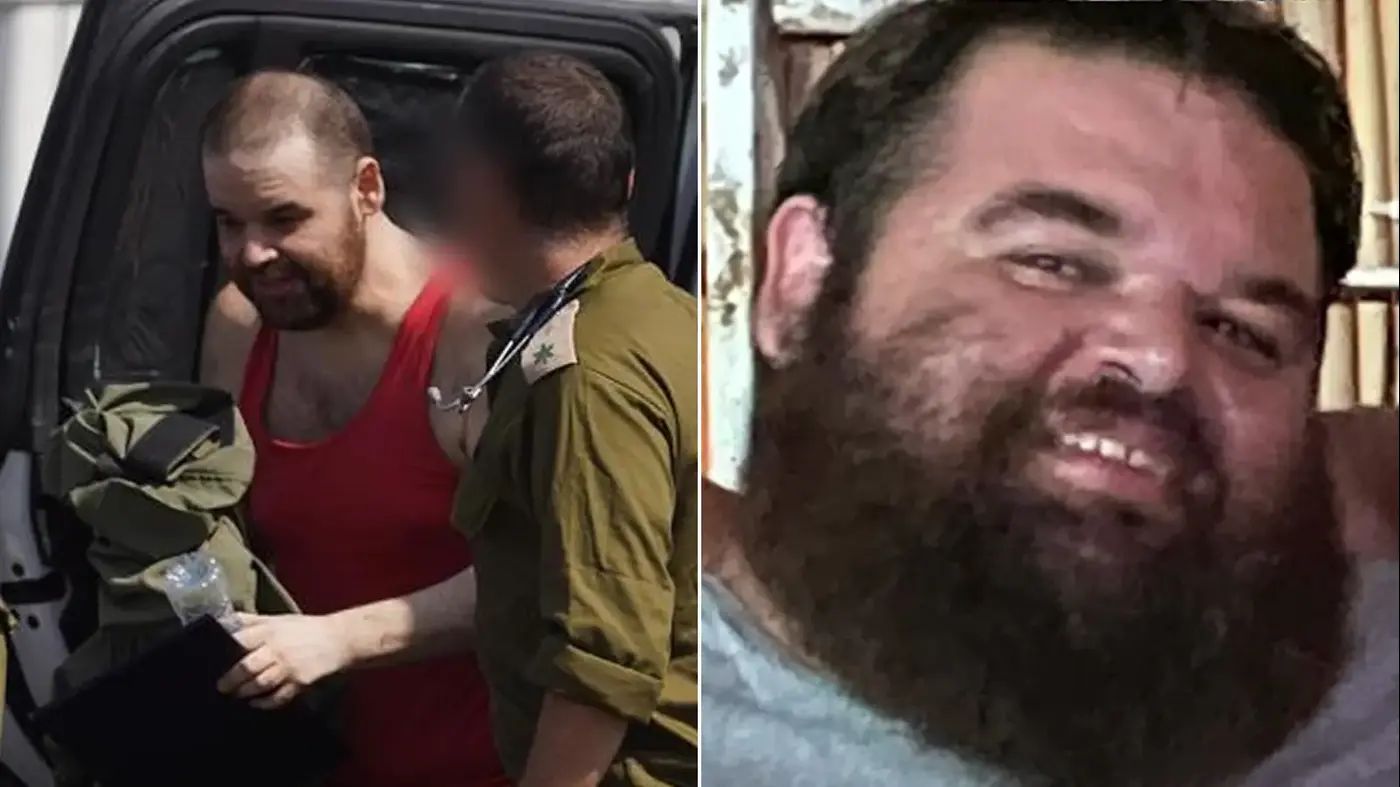
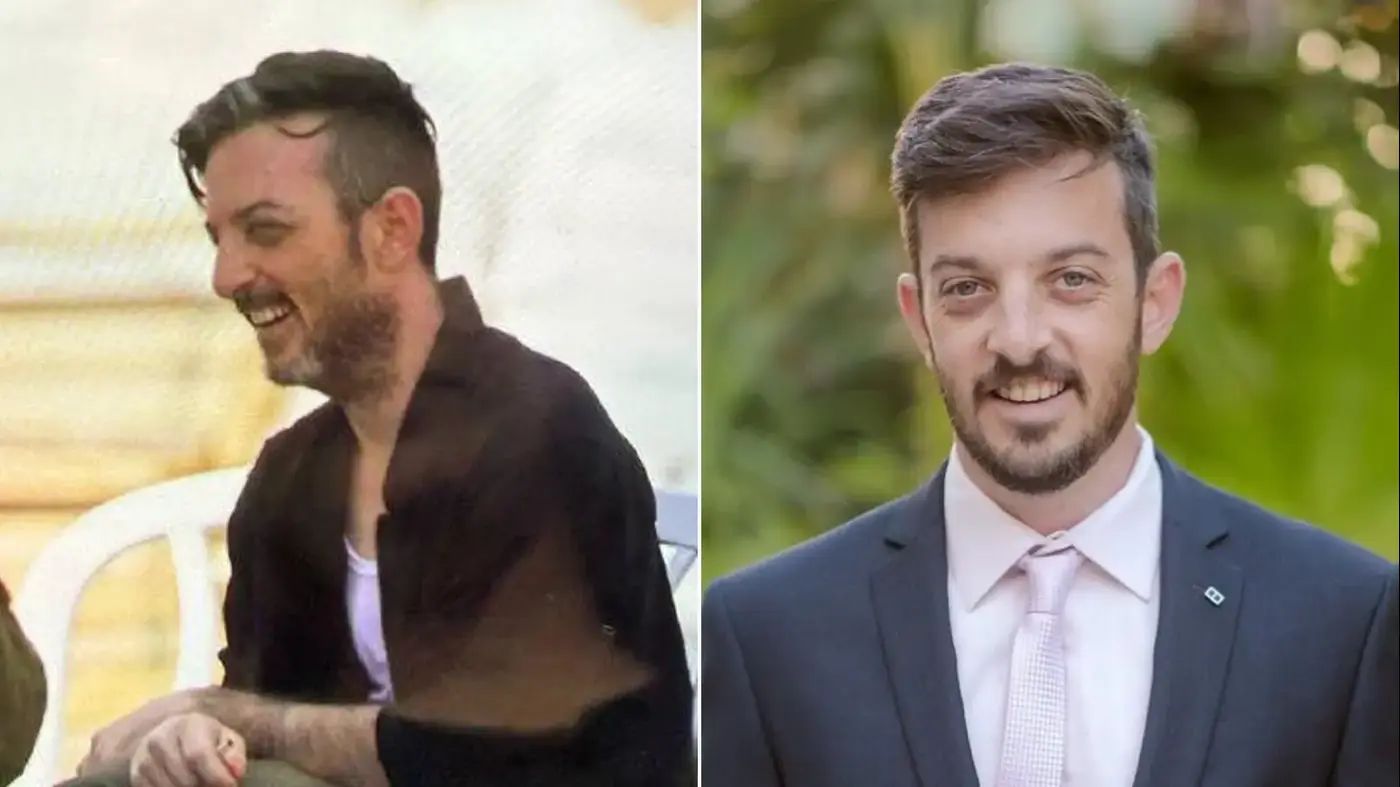
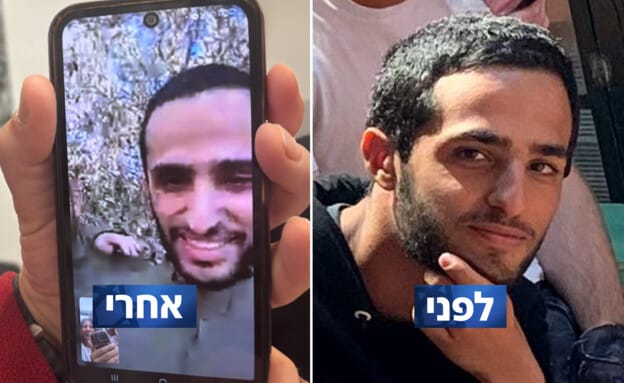
The faces of the returning hostages tell a difficult story. Most appear to have lost a significant amount of body weight, looking gaunt and severely malnourished. A prominent feature observed in nearly all the returnees is their extreme paleness or pallor. This is attributed to a lack of exposure to sunlight, suggesting they were confined indoors, likely underground, for the entirety of their two-year ordeal.
Beyond the visible effects of poor nutrition and confinement, many of the returnees also appear visually aged or significantly changed. Some showed noticeable hair loss, further indicating the immense stress and the cumulative effects of a deficient diet and unsanitary living conditions.
These initial photographs, which include stills taken from the video calls the hostages made to their families just before their release and images from the moments immediately following their handover, serve as the first concrete evidence of the appalling circumstances within Hamas's tunnels and safe houses.
The stark contrast between their pre-captivity lives and their current physical state is pronounced. Photographs taken before October 7th show vibrant, healthy individuals, making the "before and after" comparison a visceral reminder of the cruelty of their confinement. The physical signs, the gaunt frames, the lifeless skin, and the general appearance of exhaustion, are all direct results of the impossible conditions they were forced to endure.
While the emotional relief of their return is immeasurable, the visible physical toll confirms the medical challenges that await them. Their long-term recovery will require not only psychological healing from the deep trauma of the kidnapping and captivity but also intensive medical and nutritional care to address the severe physical damage caused by two years of deprivation and neglect.