A significant wave of resignations and dismissals is sweeping through the Israel Defense Forces (IDF) senior ranks as the military concludes its internal inquiry into the failures surrounding the October 7 massacre. The decisions, finalized by Chief of Staff Eyal Zamir, will see several high-ranking officers ending their active service.
Chief of Staff's Personal Decisions
The Chief of Staff's decisions follow a complex and lengthy review process, partially informed by the findings of the Turgeman Committee. The moves are designed to promote the IDF's necessary recovery and rebuilding phase after the severe intelligence and operational failure.
Key officers confirmed to be ending their tenure or service include:
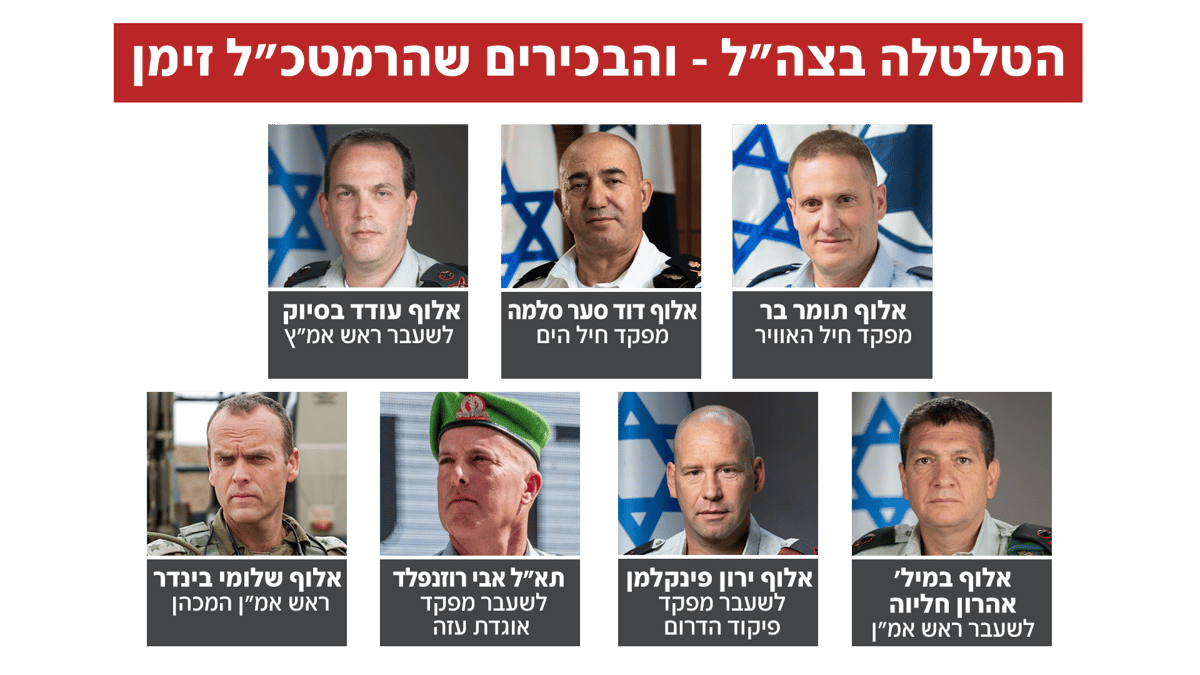
- Major General Shlomi Binder (Head of Military Intelligence Directorate - AMAN): Binder will conclude his current term and retire from the IDF, a move made at his own request and with the agreement of the Chief of Staff. He will also receive a command note on his personal file for his role on October 7.
- Major General Oded Basiuk (Head of the Operations Directorate - AMTZ on Oct. 7): Dismissed from active reserve duty.
- Major General Yaron Finkelman (Head of Southern Command during the war): Dismissed from active reserve duty.
- Major General Aharon Haliva (Former Head of AMAN during the war): Dismissed from active reserve duty (previously resigned).
- Brigadier General Yossi Sariel (Former Commander of Unit 8200): Dismissed from active reserve duty.
- Lieutenant Colonel 'A' (Military Intelligence Officer of the Gaza Division during the war): Will be dismissed from the military. He was previously noted for having refused to heed warnings from female lookouts, dismissing the scenario of a Hamas invasion as "completely imaginary."
Controversial Absences and Critical Response
The disciplinary process faced internal criticism. Notably, two senior officers, former AMAN Chief Aharon Haliva and former Unit 8200 Commander Yossi Sariel, failed to attend the scheduled meetings with Chief of Staff Zamir to receive his final command decisions, despite being summoned. Haliva cited being abroad, while Sariel provided no explanation.
Furthermore, some former senior officers criticized the process of the Turgeman Committee itself, arguing they were not given sufficient time to present their positions, and that the review focused more on event reporting than on the officers' command responsibility.
Limited Accountability for Serving Generals
While multiple dismissals were issued for retired or lower-ranking officers, the Chief of Staff decided against dismissing any currently serving Major Generals.
- Major General Tomer Bar (Commander of the Air Force): Received a command note but will not be dismissed.
- Major General David (Saar) Salame (Commander of the Navy): Received a command note but will not be dismissed.
This decision suggests the Chief of Staff is attempting to balance the need for accountability with the necessity of stability and cohesion while the army remains engaged in war and must prepare for future conflicts. The outcomes, however, will undoubtedly influence future appointments within the General Staff and have an impact on public trust in the military leadership.