A severe domestic political dispute has erupted over the strategic outcomes of the regional war, exposing deep fractures between state leadership and public perception. The bitter internal debate intensifies as international diplomatic tracks alter security parameters across the Middle East. While senior officials claim massive historical achievements against foreign adversaries, political rivals and public polls present a sharply contrasting reality.
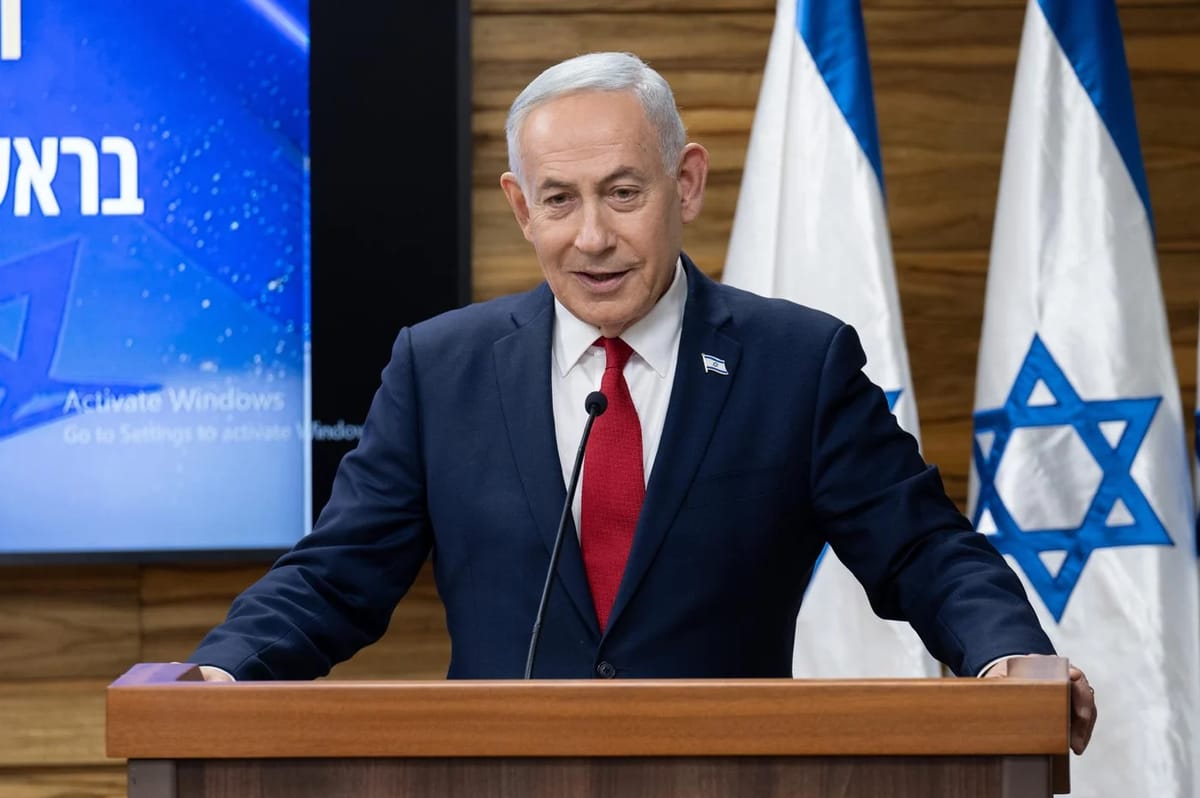
Speaking on Wednesday at the MUNI EXPO 2026 local government center conference, Prime Minister Benjamin Netanyahu delivered a highly aggressive response to public criticism regarding the management of the war. Netanyahu focused his remarks on the significant tactical accomplishments achieved against the regime in Tehran. He utilized exceptionally blunt language to dismiss the growing internal opposition.
The prime minister opened his address by directly targeting those who question his security record. Netanyahu questioned the crowd, asking, "To all the zero people who talk about one hundred percent, do you know what the greatest achievement of this war is?" The combative opening set a tone of total defiance against his domestic detractors.
The administration argued that direct, proactive military maneuvers were the single factor preventing an existential catastrophe for the nation. Netanyahu expanded on the intensity of the operations, stating, "If we had not acted like a lion cub, and then with the roar of a lion, Iran would already have atomic bombs." He added that these decisive operations successfully removed the immediate threat of thousands of ballistic missiles.
These declarations occur at a highly sensitive time, as recent diplomatic understandings between Washington and Tehran fuel widespread domestic anxiety. Public criticism has intensified dramatically, led by former Prime Minister Naftali Bennett. Bennett launched a sharp assault against the current leadership, claiming that Netanyahu is no longer capable of anything. He further accused the prime minister of selling the future of the country to ultra Orthodox political operators.
The harsh political rhetoric stands in sharp contrast to recent statistical data regarding public trust in the state's strategic victory. A comprehensive poll published this week by the Institute for National Security Studies reveals widespread skepticism among the populace. The data indicates that a mere 15 percent of the Israeli public believes the nation won the campaign against Iran.
Conversely, 37 percent of respondents believe that Iran actually emerged victorious, while 43 percent view the war as entirely indecisive. Furthermore, the survey highlights massive public dissatisfaction with international diplomatic arrangements. A striking 66 percent of citizens believe that the memorandum of understanding finalized between the United States and Iran is fundamentally bad for national security.