Local Rocket Threat Near Central Israel
Recent security operations have exposed a significant and immediate threat originating from within Israel. The Shin Bet recently dismantled a terror cell operating from an Arab city near central Israel that was manufacturing rockets. These locally produced rockets posed a direct threat to Israeli communities along the seam line, the Sharon region, and potentially even central Israel.
The discovery highlights the ongoing vulnerability to terrorist operations initiated from close proximity to major population centers.
The Syrian Golan War Scenario
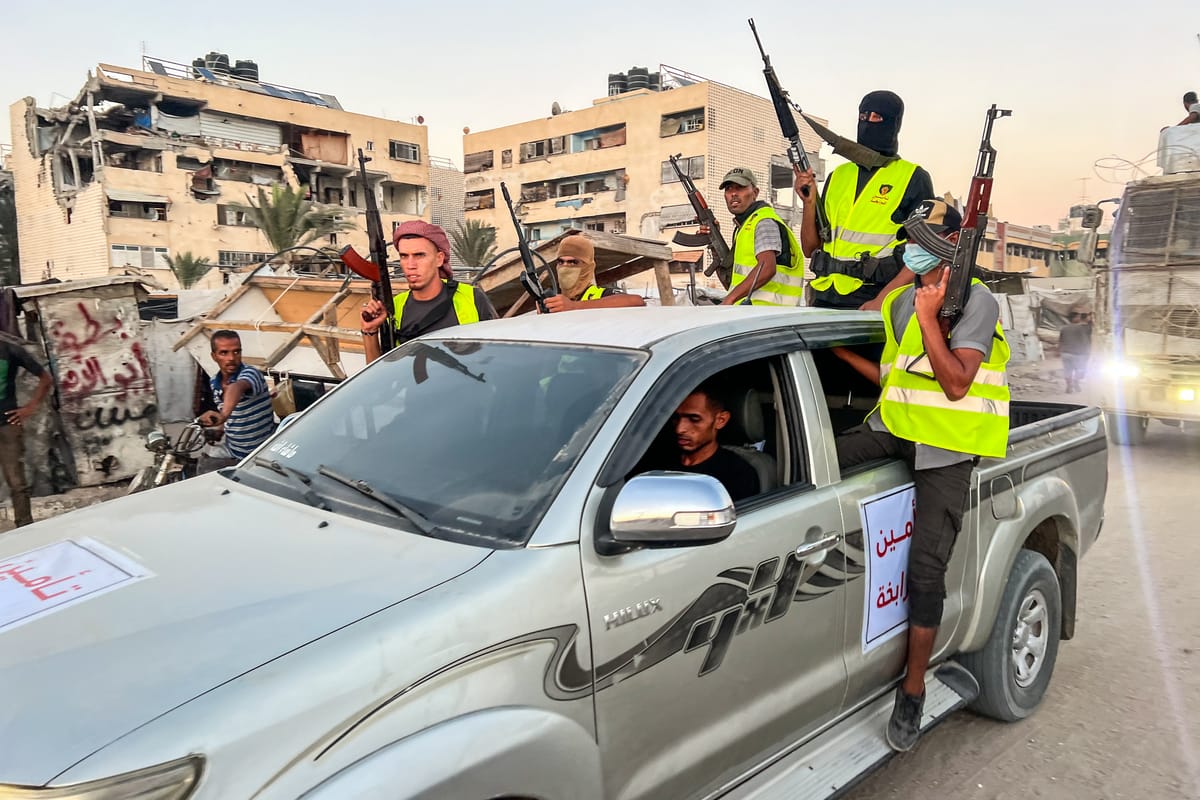
Simultaneously, the Israel Defense Forces (IDF) is preparing for a highly dangerous, mass-scale breach attempt along the Syrian border, fueled and financed by Iran. Intelligence suggests that terror militias operating in southeastern Syria are training in open Toyota pickup trucks, many of which are mounted with heavy machine guns.
Each truck is capable of transporting approximately 10 fully armed terrorists, equipped with a cache of rifles, pistols, grenades, and knives. The IDF is actively preparing for the possibility that a large force, potentially 30 to 40 such trucks, could launch a simultaneous attack from two or three points in the southern or central Syrian Golan and race toward the Israeli border.
According to reports, the IDF has rushed to erect physical barriers specifically designed to delay such a swift, vehicular breach. The deployed forces are expected to engage and neutralize the majority of the attackers, estimated at 20 to 30 trucks. However, the military command fears that if even a fraction, specifically 10 to 20 trucks, manage to reach kibbutzim, moshavim, or towns in the Golan or Jordan Valley, the catastrophic events of October 7 could be repeated.
Escalation and High Alert
The security establishment is treating the coming period with extreme caution. The start of Ramadan next month historically coincides with a heightened sense of nationalist fervor in the Palestinian Authority and parts of Israel’s Arab sector, increasing the risk of coordinated attacks.
The post-October 7 understanding within the IDF is that the entire military must remain on high alert for the possibility of a surprise attack launched from any front. Terrorists from these exposed arenas, both internal and external, could attempt to replicate the success of the October 7 massacre by exploiting vulnerabilities on a new, unexpected front, demanding continuous vigilance across the entire military apparatus.