Israeli security officials are considering allowing the Lebanese Armed Forces to take control of a major captured Hezbollah tunnel compound in the southern Lebanese village of Tebnit, in what Jerusalem views as a deliberate test of Beirut's willingness and capacity to confront the terrorist organization, N12 reported Sunday, citing sources familiar with the discussions.
The idea was raised in recent days in political and military discussions and may be revisited in upcoming talks scheduled for Tuesday, according to the sources. "This could be a test for the ability and motivation of the Lebanese army to deal publicly and in an unprecedented way with Hezbollah," an Israeli source told N12.
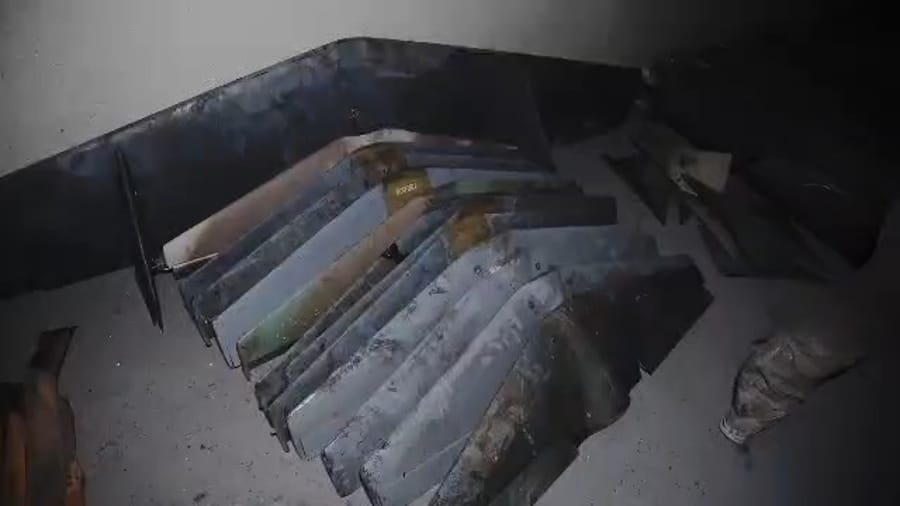
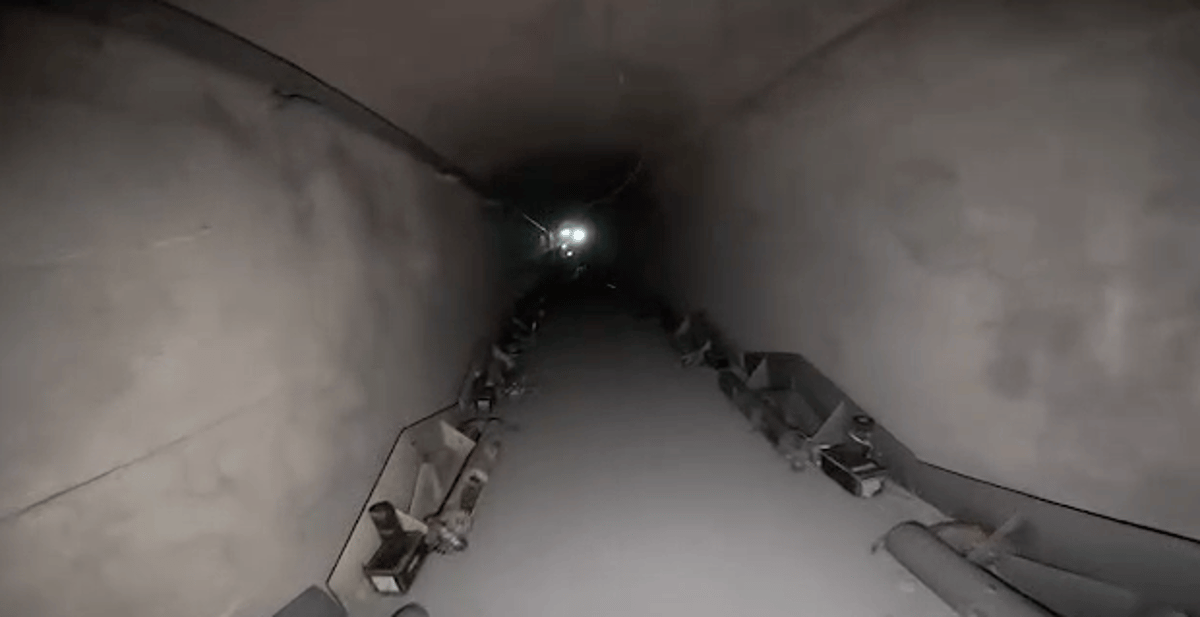
The Tebnit compound is no ordinary target. The IDF has described the base, which consists of a network of tunnels totaling over a kilometer in length, as one of the most important Hezbollah headquarters in southern Lebanon, used as a command center with rocket capabilities and fortified positions. The operation to take it has come at a steep cost. Four IDF soldiers were killed in the Tebnit area last week, including Lt. Col. Dor Gedalia Ben Simhon, commander of the 52nd Battalion.
Between 30 and 40 Hezbollah terrorists are believed to be operating inside the underground compound. While IDF forces are operating above it, ceasefire dynamics tied to broader U.S.-Iran negotiations have complicated a full entry. The compound's destruction remains a central objective of Israeli military forces in the area. The IDF also revealed Sunday an additional underground compound in the village of Majdal Zoun, approximately ten kilometers from the Israeli border.