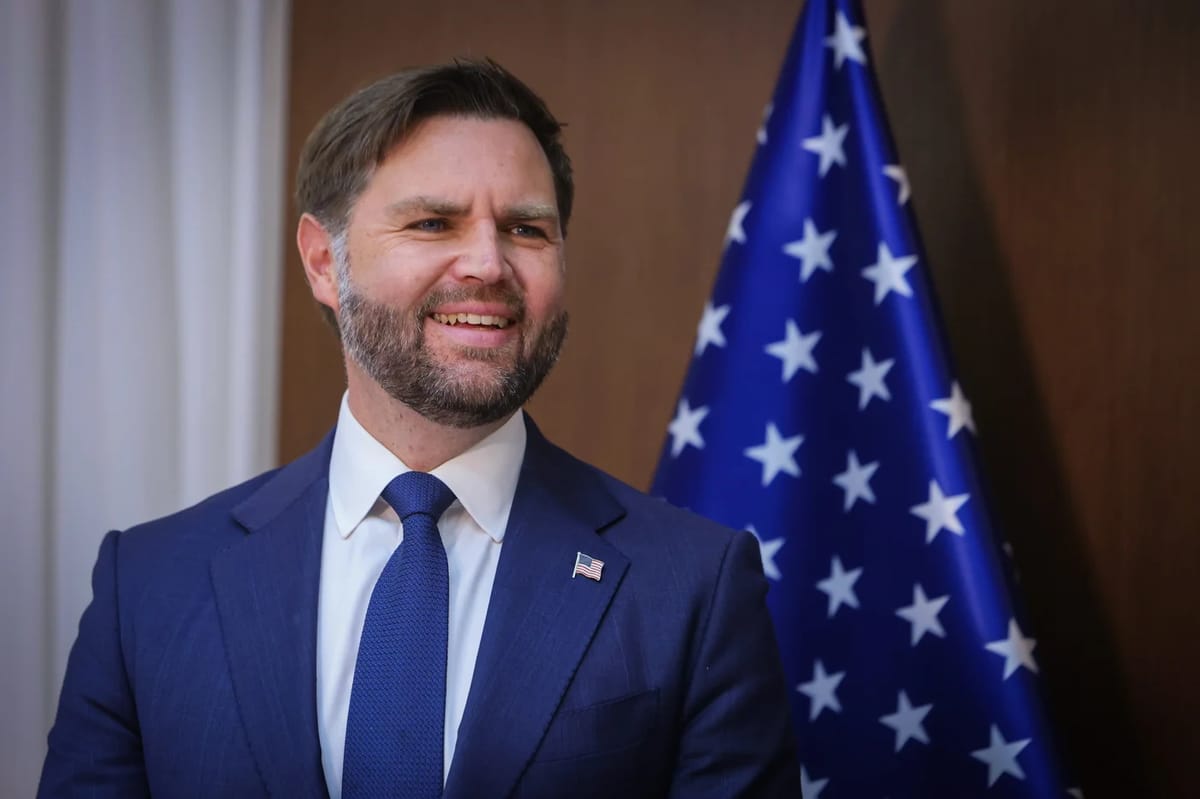
Ohio Senator JD Vance, chosen by Donald Trump as his running mate, is unlike any previous VP pick. Young, sharp, class-conscious, and emotionally intelligent, Vance personifies the classic American rags-to-riches story, one that moves even his critics. In some ways, he echoes Obama’s journey from hardship to triumph.
The Trailer Park Kid Who Made It to Yale
Born in 1984 to a broken, troubled family, poverty, addiction, and hopelessness defined his childhood in Middletown, Ohio. That background fueled relentless drive and focus. Originally named James Donald Bowman, he later became James David Hamel after his mother Beverly remarried. She changed his middle name from “Donald” (after his biological father) to “David” (after her brother), keeping the initials “JD.” Eventually, he took his mother’s maiden name, becoming JD Vance. Despite his working-class roots, Vance excelled at Ohio State University and then Yale Law School, thanks to a scholarship for disadvantaged students. That acceptance was life-changing. He went on to a successful venture capital career, but his biggest breakthrough was yet to come.
A Book That Changed Lives
Nine years ago, in 2016, Vance published Hillbilly Elegy, chronicling his journey and the struggles of “forgotten” white working-class Americans. The bestseller was translated worldwide and adapted into a Netflix film.
As Trump rose to power, Vance became the moral voice of conservative America, a symbol of a new, educated, sophisticated Republican generation still rooted in rural values. Initially embraced by liberals for insights into white working-class life, Vance’s views shifted dramatically as he aligned with Trump.
The Ultimate Prize
Summer 2024 marked Vance’s career peak: Trump selected him as running mate. The choice stunned Washington, instantly elevating the author-intellectual to political heavyweight. Commentators debated whether Vance’s restrained, conciliatory style, evident in his book, was a calculated appeal to moderates or a genuine reflection of a complex personality bridging worlds.
One Heartbeat from the Oval Office
Today, JD Vance is literally one heartbeat away from the presidency. Trump’s age and health concerns make the prospect real. Even if he doesn’t inherit the role soon, his odds of winning in 2028 or 2032 are higher than any other Republican. Born into brokenness, Vance wrote his story to give voice to the voiceless. Now, he may become America’s dominant voice, capable of reshaping the world’s superpower. For years, Vance admired Obama as a role model, defending him against right-wing attacks as a scapegoat for conservative failures. Obama represented excellence, fatherhood, and strong marriage to Vance (ignoring deep political divides, especially on foreign policy).
From Harsh Criticism to Political Embrace
Vance was once among Trump’s fiercest critics during the 2016 campaign. In a scathing Atlantic piece, he wrote: “Americans have turned to a new painkiller… It enters not through lungs or veins, but eyes and ears. Its name is Donald Trump. His promises are the needle in America’s collective vein. Trump is cultural heroin. He’ll make some feel good briefly. But he can’t heal what ails them and one day, they’ll realize it.”
Since writing Hillbilly Elegy a decade ago, both Vance and America have changed. As Trump solidified power, Vance gradually aligned, ideologically and personally. By 2024, he was a fervent supporter and inner-circle loyalist. The transformation wasn’t just political; Vance became an insider—defending Trump on air, aligning with his positions, and even echoing fringe conspiracies he once dismissed.
Populism and American Industry: The Common Ground with Trump
Economically, Vance leads a new wave of right-wing populism, challenging unchecked global capitalism. To him, West Coast tech giants aren’t success symbols but culprits in middle-class erosion and U.S. dependence on China. Unlike traditional Republicans, he supports targeted government intervention, bringing manufacturing home, even if it means deviating from free-market dogma.
Foreign Policy: America First, Cautiously
Vance belongs to the GOP’s new isolationist-leaning wing, prioritizing domestic strength over global entanglements. The U.S. should focus inward, not waste resources on “overseas adventures.” He criticizes broad Ukraine aid as lacking clear national interest. Yet he insists this stems from realism, not anti-Western sentiment, military action only for direct threats or strategic gains. And Israel? On the Middle East, Vance takes a hard line against Iran and supports tight U.S.-Israel security ties, but only when benefits to America are clear and unambiguous.
During his visit last week, tensions surfaced: Prime Minister Netanyahu told Vance that Turkish troops in Gaza would be a “red line” for Israel, contrary to Trump and Vance’s stance. Vance responded publicly: “We have a very difficult mission: disarm Hamas but rebuild Gaza; improve Gazans’ lives while ensuring Hamas no longer threatens our friends in Israel. It’s not easy. I think the prime minister knows that as well as anyone. But it’s something the Trump administration is committed to.”
He added: “In the last 24 hours, we’ve had many good conversations with friends in Israel’s government and honestly, with friends in the Arab world who want a positive role. So we’ll keep working on it.”
Diplomatic analysts following the White House and Vance’s visit see it as more than protocol, a symbolic encounter between Israel and the next generation of the American right. Vance, as a rising star, represents a shift from interventionist foreign policy to cautious, inward-focused realism, aiming to restore American strength at home first.
From Israel’s, and especially Netanyahu’s, perspective, Vance offers both hope and caution: a staunch ally in security cooperation, but a cold realist who assigns no inherent moral or emotional value to international alliances.