In a moment of profound relief for one Israeli family, 24-year-old Matan Zangauker was reunited with his loved ones on October 13 after spending over two years as a hostage in Gaza. Abducted alongside his girlfriend from their kibbutz home during the devastating Hamas attacks on October 7, 2023, Matan's release came as part of a hard-fought ceasefire deal that freed the remaining 20 living hostages in exchange for Palestinian prisoners.
Yet, even as Matan begins his long road to recovery, his mother, Einav Zangauker, shows no signs of stepping back from the public fray.
Many are asking why she is still fighting.
Einav, a single mother from southern Israel, emerged as a fierce advocate during the hostage crisis. She spearheaded protests, appeared relentlessly in media interviews, and openly criticized Prime Minister Benjamin Netanyahu's government for what she and other families described as prioritizing political maneuvering over urgent negotiations.
"We were left alone in our darkest hour," Einav said in a recent statement, reflecting on the chaos of October 7. "There was no functioning government – no immediate response, no plan to bring our children home."
Matan's ordeal began in the early hours of the attacks, when Hamas terrorists overran border communities, killing over 1,200 Israelis and abducting more than 250. Held in underground tunnels and subjected to harsh conditions, Matan survived what his family calls a "living nightmare."
His release, brokered through international mediation involving the U.S., Qatar, and Egypt, marked the end of the active hostage phase of the war – but not the end of the trauma for many families.
For Einav, the fight persists on two fronts. First, she demands the return of the bodies of the estimated 13 hostages who perished in captivity, still held in Gaza. "Rehabilitation from October 7 isn't complete until every family can bury their dead with dignity," she told reporters last week.
Second, she is pushing for a state commission of inquiry to investigate the government's failures – from intelligence lapses that allowed the attacks to the handling of the war, hostage negotiations, and support for affected families.
Einav has accused Netanyahu and his cabinet of evading responsibility, stating, "They must go home and face justice for the abductions, the deaths in Gaza, and the soldiers we've lost."Her activism has resonated widely, drawing support from opposition figures and civil society groups while facing backlash from government allies.
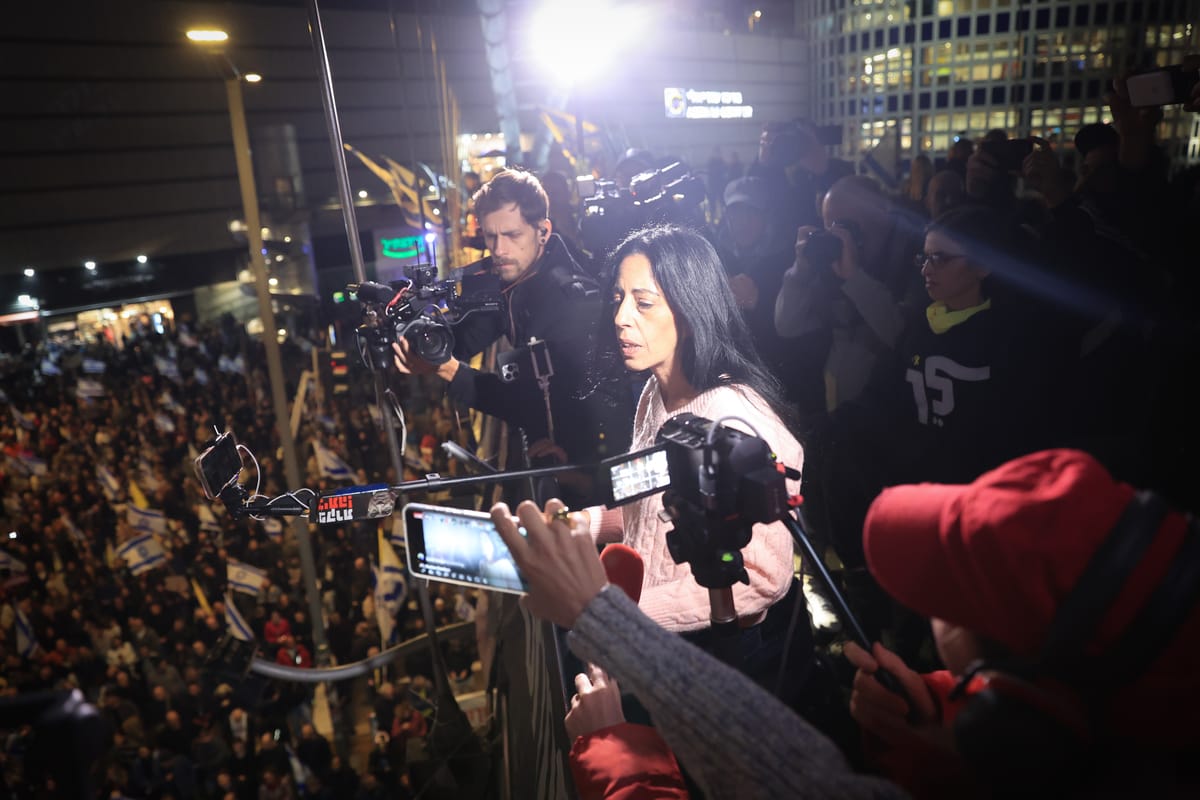
At a recent rally in Tel Aviv, Einav vowed, "This isn't just about Matan. It's about fixing the failure and healing our country so no mother endures this again."
As Israel navigates post-war recovery, with ongoing tensions in the north against Hezbollah and internal debates over conscription and judicial reforms, Einav's voice remains a symbol of unresolved grief and calls for accountability. Matan, meanwhile, is focusing on readjusting to life, surrounded by family and professional care. "He's home, but the scars run deep," a family friend shared.The Zangauker story underscores the lingering shadows of October 7, even as the nation looks toward rebuilding. For Einav, the battle is far from over.