Police Systematically Violate Protocols at Haredi Protests — But Only at Haredi Protests
New footage reveals officers firing stun grenades directly at protesters, turning off body cameras before attacks • Letter to police chief ignored before Route 4 violence | 'Are we a Jewish state?' (Israel News)

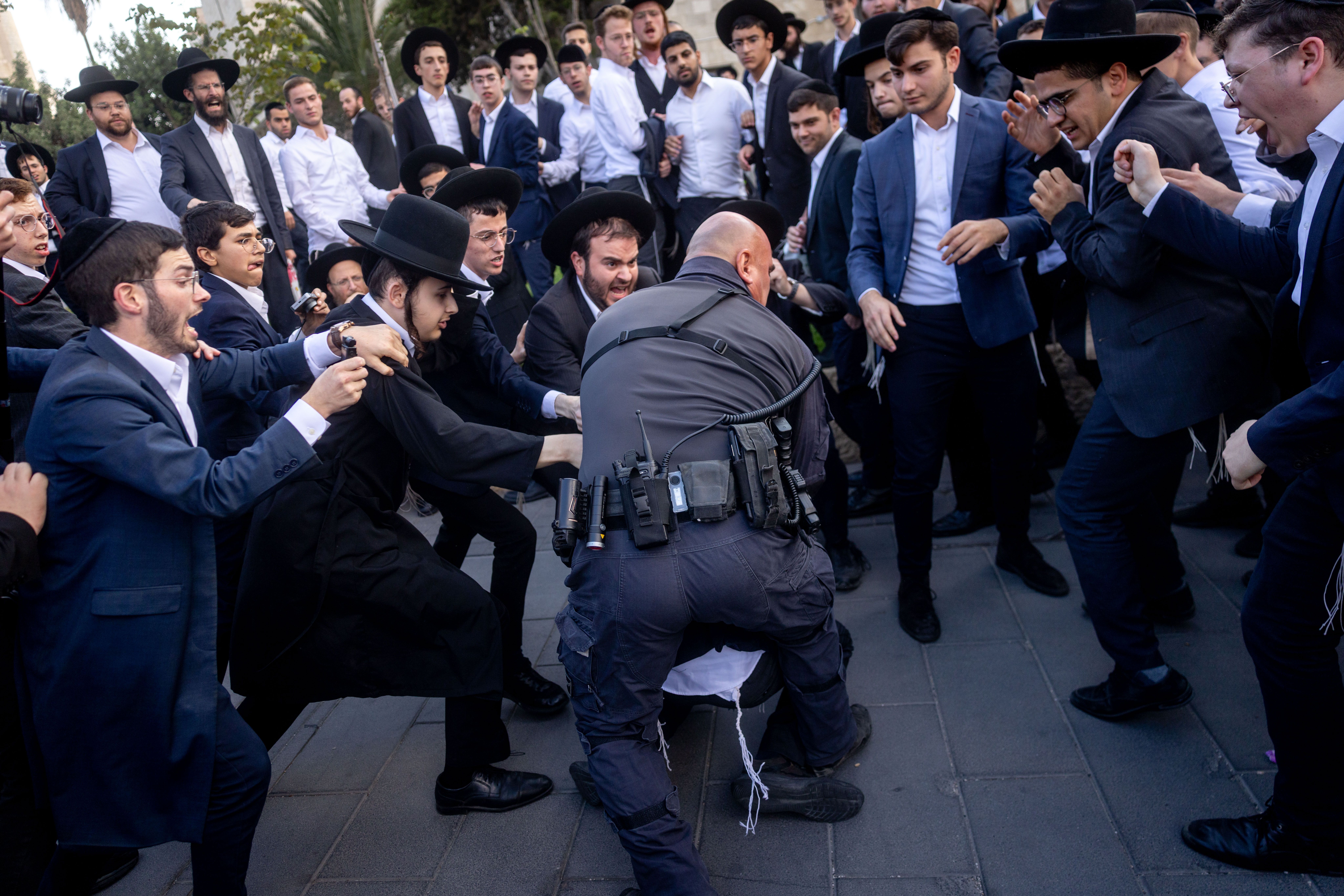
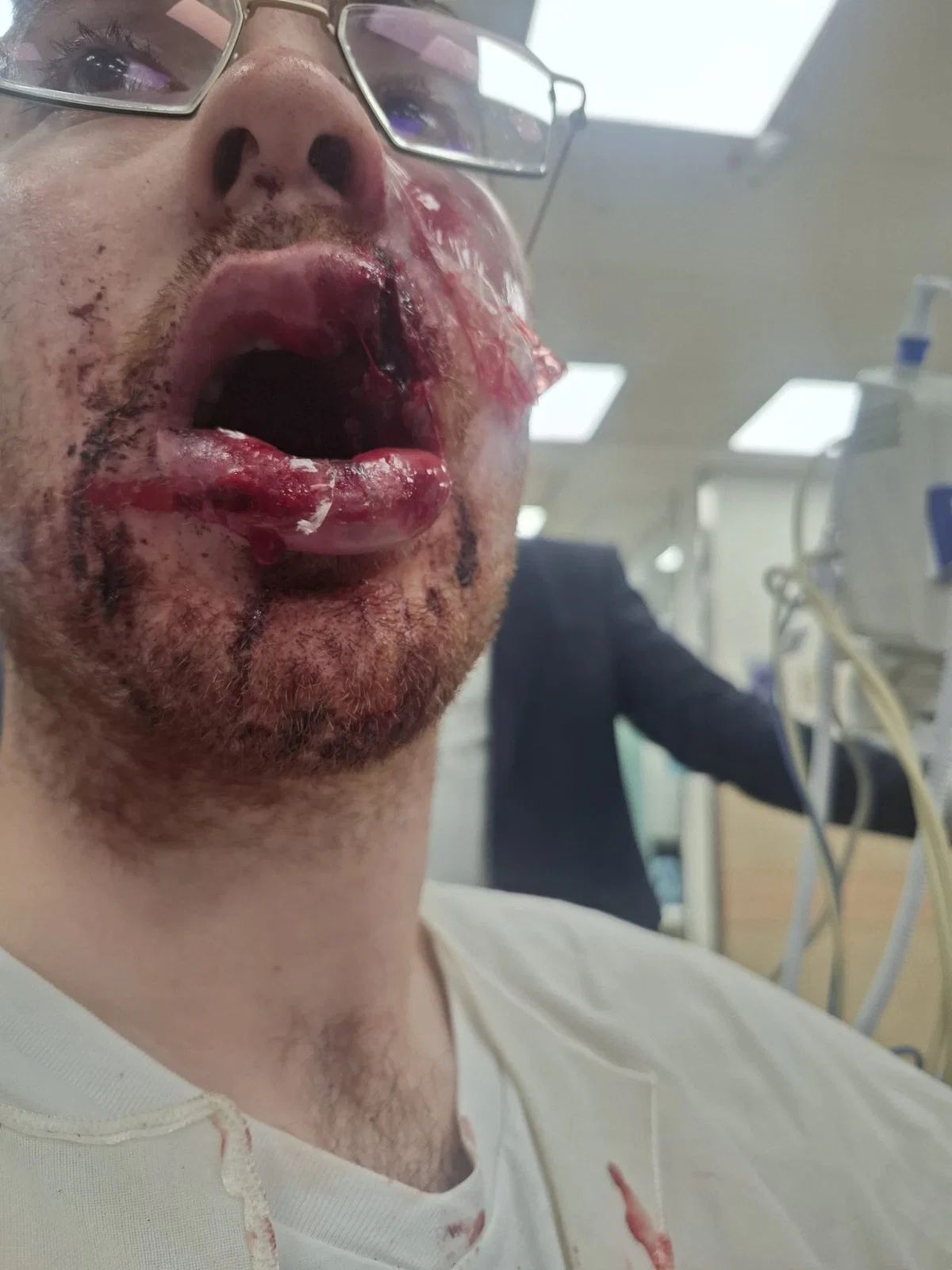
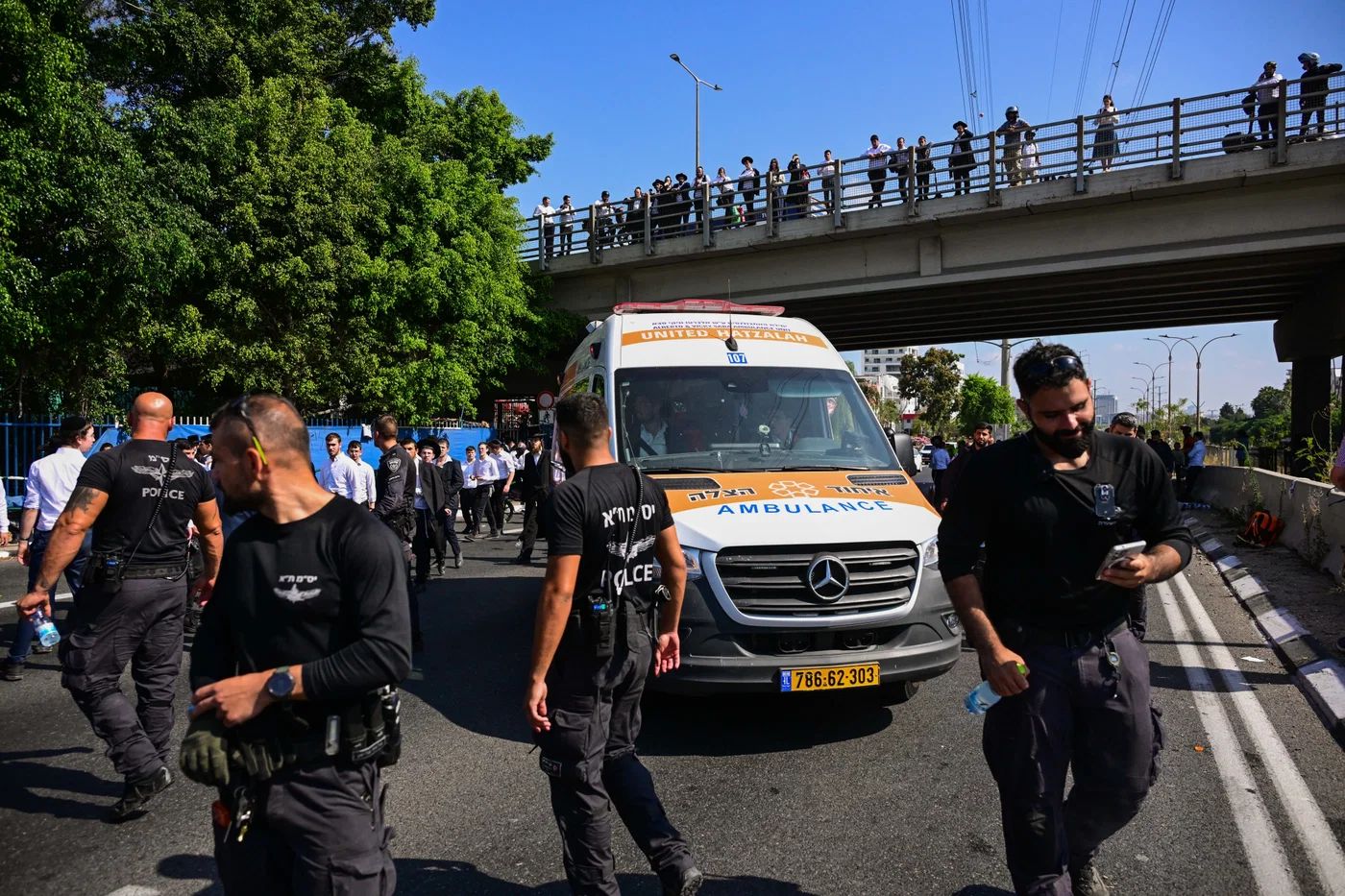
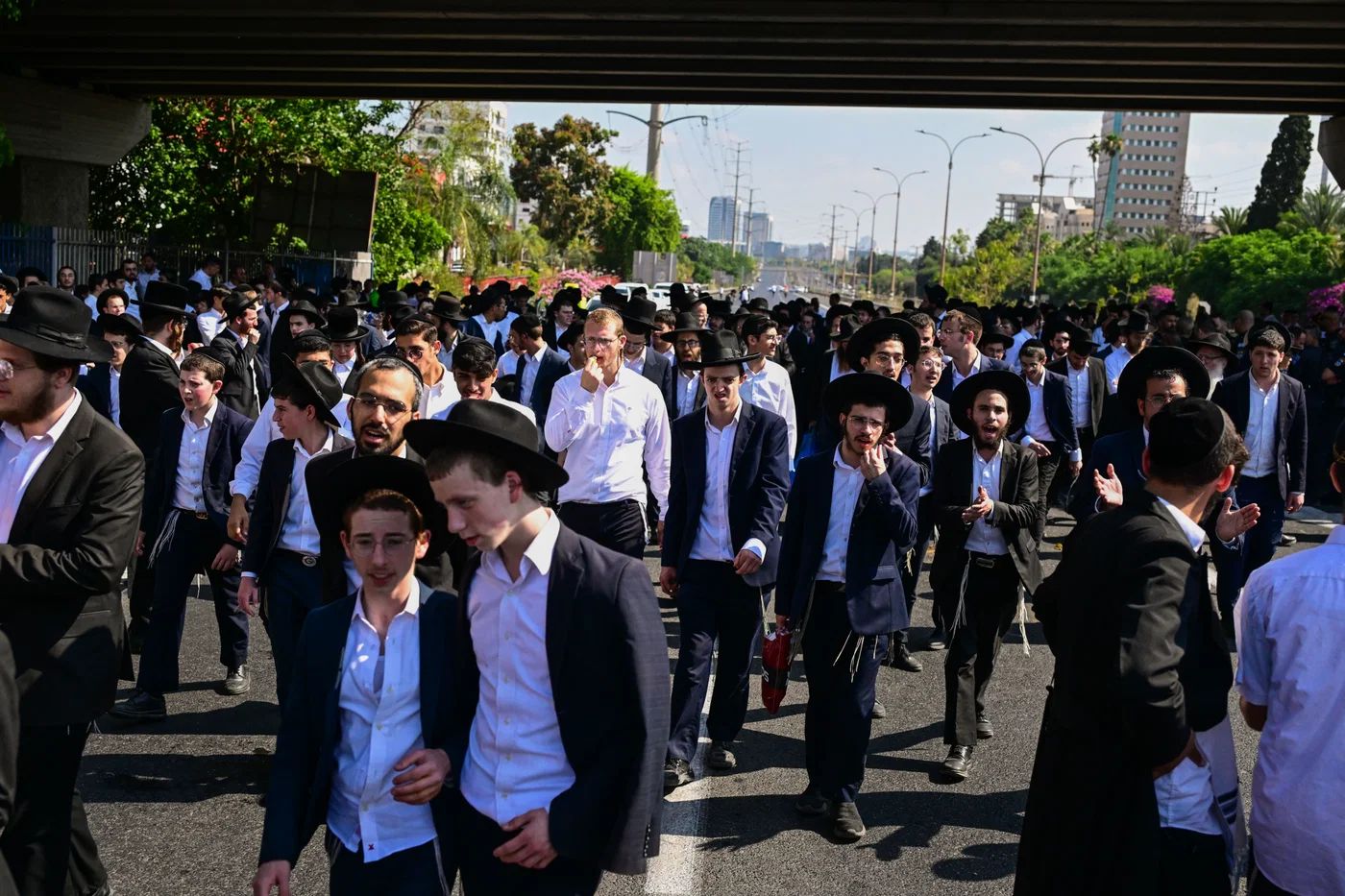
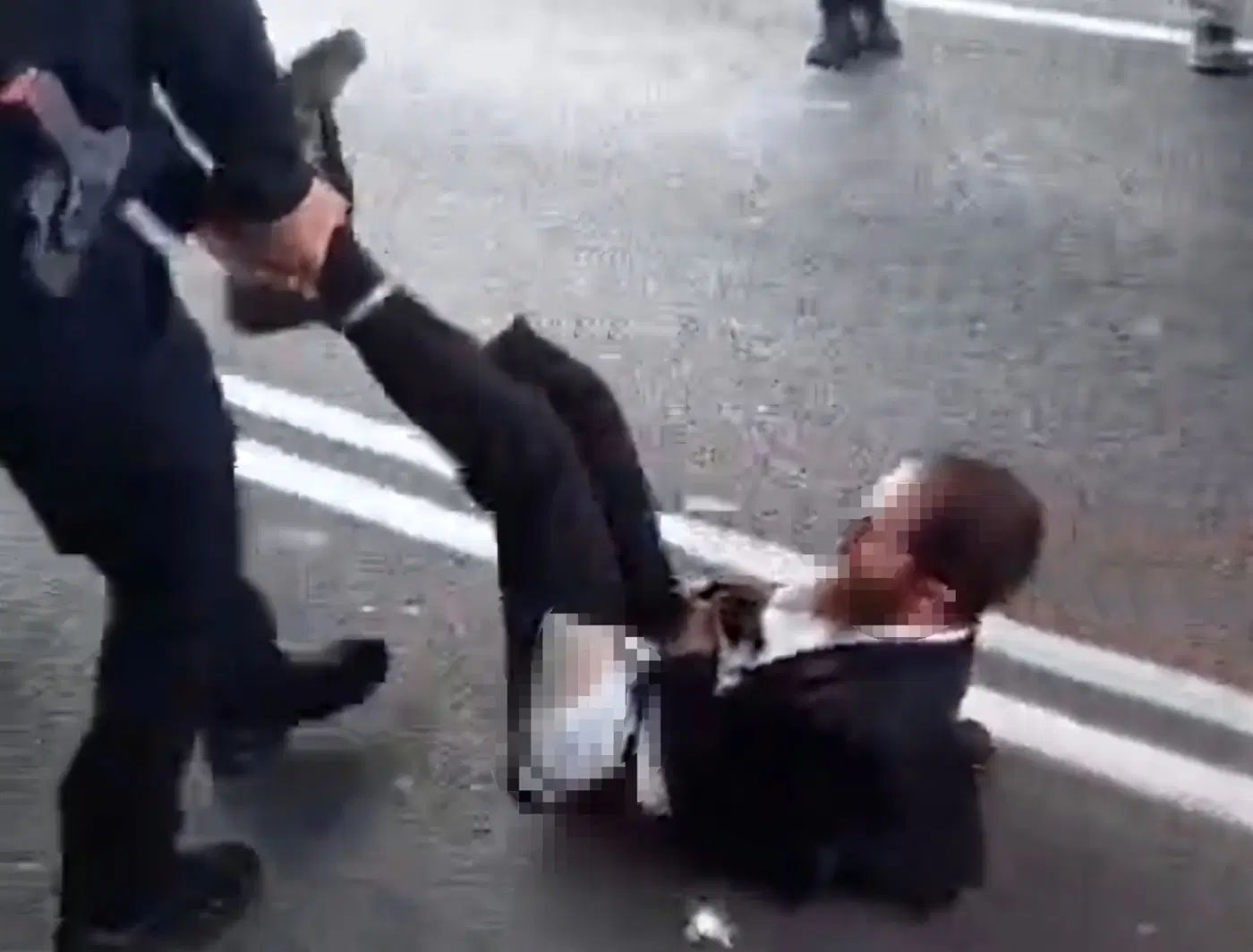
The torn pants and bloodied faces from Wednesday's Route 4 confrontation were merely the visible tip of a far more disturbing pattern. New video evidence obtained by Kikar HaShabbat reveals Israeli police have been systematically violating their own use-of-force protocols at haredi protests for weeks, deploying stun grenades in ways explicitly forbidden by department regulations, but only when the demonstrators are ultra-Orthodox.
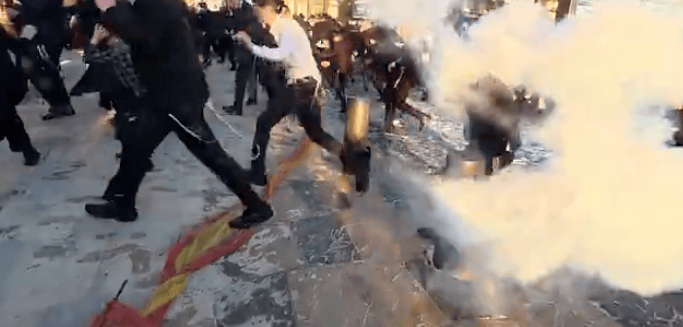
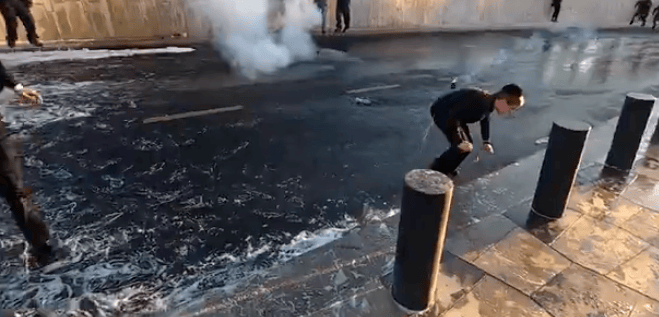
The footage, compiled from multiple recent protests by the Committee to Save the World of Torah, documents officers throwing stun grenades directly at protesters' heads and bodies, deliberately turning off body cameras before attacks, and senior commanders visibly coordinating illegal grenade deployments. In one video, a haredi man is evacuated to hospital after a stun grenade strikes him directly. In another, an officer switches off his body camera moments before hurling a grenade straight into a crowd.
Police regulations explicitly prohibit direct throws of stun grenades at demonstrators. The protocol mandates grenades be tossed into the air or onto the ground at a minimum distance of five meters, allowing the device to detonate safely away from human targets. The videos show those rules being ignored repeatedly, but sources familiar with police operations at other protests confirm the same protocols are scrupulously followed when dealing with non-haredi demonstrators.
Warning Letter Ignored Before Violence Erupted
Attorney Menachem Shtauber sent a formal complaint to Police Commissioner Kobi Shabtai detailing the excessive force being deployed against haredi protesters, but the letter was dispatched before Wednesday's Route 4 incident that sparked Haredi outrage. According to the Association for the Protection of Haredi Civil Rights, Shabtai's office confirmed receipt of the warning but never responded.
The commissioner's silence takes on added significance given what transpired days later on Route 4, where officers deployed stun grenades and batons against Yerushalmi faction protesters, leaving eight injured and five arrested. Disturbing footage from that confrontation showed an officer deliberately tearing a protester's pants during the clearance operation.
Tel Aviv District Commander subsequently suspended one officer for kicking a protester, and police acknowledged "some officers acted outside protocols." But the new evidence suggests the problem extends far beyond isolated incidents — pointing instead to a pattern of differential enforcement that raises fundamental questions about equal treatment under Israeli law.

The Ben Gvir Question: Orders or Loss of Control?
The systematic nature of the protocol violations has ignited fierce debate over National Security Minister Itamar Ben Gvir's role. Critics charge he has either explicitly ordered, or tacitly encouraged through coded messaging, aggressive tactics specifically targeting haredi demonstrators opposing military conscription. The alternative explanation may be equally damning: that Ben Gvir has completely lost control of the police force he nominally oversees.
If no directive was issued, the footage reveals a police organization operating as an autonomous, violent entity with no accountability to its civilian leadership. Either scenario represents a profound crisis in Israeli law enforcement, one that has already triggered sharp condemnations from haredi political leaders who previously maintained close ties with the coalition.
Approximately 24 hours after the Route 4 incident sparked widespread criticism, police released footage showing a haredi protester attacking a female detective during the clearance operation. The detective was hospitalized and the suspect arrested. The timing immediately raised questions about whether authorities were attempting to create a symmetry narrative to deflect from the broader pattern of police violence.

'Are We a Jewish State?'
Senior figures within the Yerushalmi faction delivered a scathing assessment of the implications. "They've made our blood completely ownerless," one leader told Kikar HaShabbat. "When police behave this way toward us, it's completely clear that an Arab won't be afraid to run over haredim — because she knows she'll get backing, she'll be released, and nothing will happen to her. Is this a Jewish state? Where have we reached?"
The source added a pointed critique of haredi political leaders who have begun condemning the violence only as elections approach. "The worst part is that now suddenly we're seeing condemnations from haredi politicians. It's complete hypocrisy. If we weren't before elections and their voters didn't support the protests that everyone sees are having an impact, they would continue staying silent."
The controversy unfolds against the backdrop of Israel's escalating draft crisis, with even traditionally restrained groups like Gerrer Chassidus now joining street demonstrations as arrests of yeshiva students intensify. What began as isolated protests by the Yerushalmi faction has evolved into a broader haredi mobilization — one now facing a police response that critics charge violates both legal protocols and basic principles of equal enforcement.