"Agudat Yisrael Is Not Someone's Private Property": MK Porush Launches Blistering Attack on Gur Control
Shlomei Emunim chairman challenges Gur's decades-long grip on party resources • Demands equal access to branch offices and funding for non-Gur communities | Internal tensions escalate ahead of potential elections (Israel News)

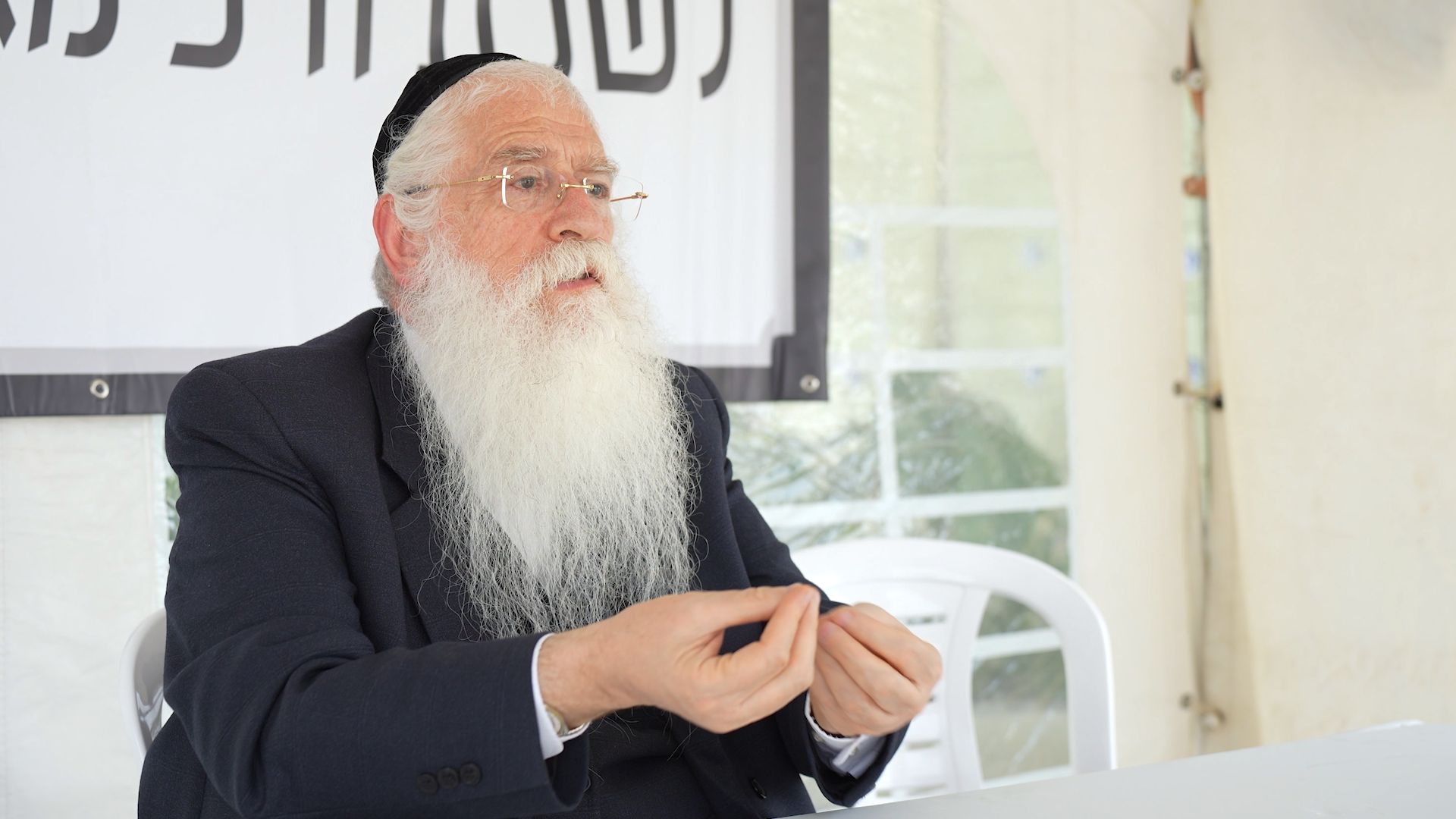
In a sharp public confrontation that signals deepening internal tensions within Agudat Yisrael, MK Meir Porush launched a blistering attack Tuesday night on the Gur hasidic sect's decades-long control of party resources, declaring that "Agudat Yisrael is not someone's private property --- it belongs to everyone."
Speaking before a forum of Shlomei Emunim representatives in local government gathered in Beitar Illit, Porush challenged the fundamental power structure that has governed the haredi party for half a century, questioning why historical voting patterns from 50 years ago should determine current control of the party's financial and organizational infrastructure.
"Because someone had 2.5 or 2.7 percent more votes 50 years ago, does that mean control stays with that one group forever?" Porush stated bluntly, in remarks clearly directed at Gur's central faction. "This cannot continue."
The Arbitration That Changed Nothing
Porush referenced an arbitration process conducted approximately five years ago that was supposed to address power-sharing within Agudat Yisrael. According to the Shlomei Emunim chairman, the arbitration established three critical principles: preventing one faction from monopolizing both top and secondary positions on party lists, clarifying the balance of power between the Belz and Vizhnitz hasidic groups, and establishing a finance committee to ensure equitable distribution of party resources.
"We succeeded with God's help in leading the beginning of change," Porush stated. "The arbitration made clear that the same group receiving the first spot cannot also take the fifth spot in Agudat Yisrael, and that succeeded. The second issue resolved the power balance between Belz and Vizhnitz, ending disputes on that question. The third matter was establishing the party's finance committee with an obligation to distribute resources jointly."
However, Porush expressed sharp dissatisfaction with the implementation of these agreements. "This decision began to be realized, but there is laxity in it," he stated carefully. "I don't want to express myself more harshly. I am not willing to give up on this or accept complaints from representatives."

The Branch Office Crisis
The core of Porush's complaint centers on Agudat Yisrael's local branch structure — or rather, the lack thereof in communities where Shlomei Emunim holds significant influence. According to senior sources within the movement, the party maintains active branch offices only in cities with strong Gur presence, leaving representatives in other major haredi population centers without organizational or financial support.
"Some people were fortunate and live in a city with an Agudat Yisrael branch, while other large and important cities, like here in Beitar Illit, or Elad, or Beit Shemesh, have no branch at all," Porush declared. "This is not how it should be."
The practical implications are severe. Local representatives typically serve in municipal government while maintaining other employment, requiring substantial organizational and financial backing to function effectively. Without local party branches to provide this infrastructure, Shlomei Emunim representatives find themselves unable to deliver services to constituents or maintain the political machinery necessary for effective governance.
"The problem for Porush is that he cannot provide real service to his voters — because there is no branch to operate, maintain and fund the activity for the voters," explained a senior Shlomei Emunim official familiar with the internal dynamics. The situation creates mounting frustration among the movement's representatives in local government, who feel abandoned by the party structure they nominally represent.
Timing and Context
The public confrontation comes during a particularly turbulent period for haredi politics in Israel. Just days earlier, Porush demanded an emergency Knesset hearing following violent police dispersal of haredi protesters, accusing law enforcement of maintaining discriminatory double standards in handling demonstrations. The MK has also been at the forefront of haredi opposition to military draft enforcement, warning of escalating crisis.
The internal party tensions also unfold against the backdrop of potential early elections, which would force Agudat Yisrael to negotiate candidate lists and resource allocation under intense pressure. Porush's willingness to publicly challenge Gur's control suggests he may be positioning Shlomei Emunim for a more assertive stance in any future coalition negotiations within the party.
Senior figures within Agudat Yisrael declined to respond to Porush's remarks, but sources indicated the issues will be addressed in upcoming leadership meetings. The question now is whether Gur's central faction will agree to genuine power-sharing — or whether the tensions will continue to escalate.
The confrontation reveals a fundamental question about Agudat Yisrael's future: Can a party built on hasidic dynasty politics adapt to demands for more equitable resource distribution, or will historical power structures prove too entrenched to reform?