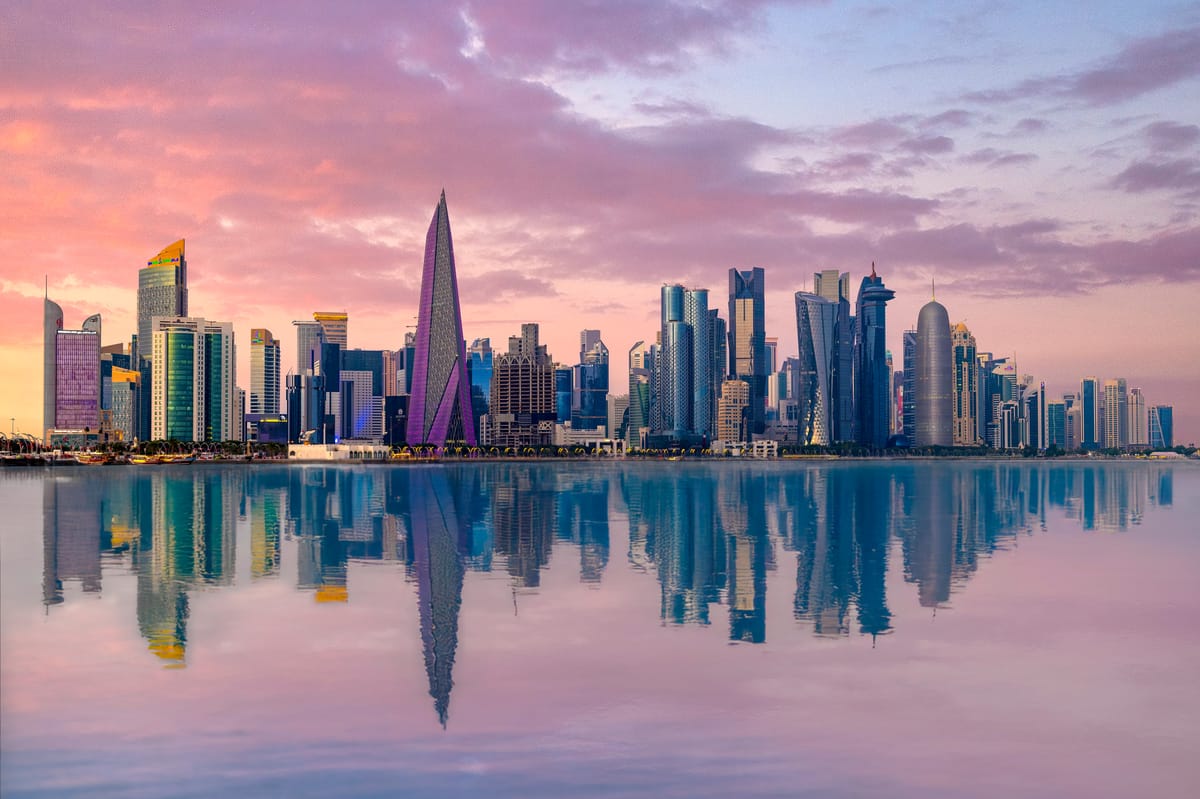
Qatar's World Cup of Lies
Exposed: Whistleblower Lifts the Veil on Qatar's $300 Billion Propaganda Empire
Former Qatar World Cup media manager Abdullah Ibhais exposes a $300 billion propaganda machine designed to whitewash the 2022 tournament, surveil journalists, and bury reports of human rights abuses. His revelations reveal the high-stakes world of sports, politics, and global media manipulation.

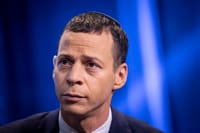
Former Qatar World Cup media manager Abdullah Ibhais has torn open the playbook of one of the most audacious propaganda operations in modern history. Speaking at the Play the Game 2025 conference in Aarhus, Denmark, Ibhais (a man who paid dearly for daring to speak truth to power) detailed how Qatar's Supreme Committee for Delivery and Legacy orchestrated a global surveillance and manipulation machine to whitewash the 2022 FIFA World Cup.
It was not just about hosting the world's biggest sporting event. It was a meticulously engineered $300 billion campaign (that is right, $300 billion) to rebrand a nation accused of rampant human rights abuses, migrant worker exploitation, and terror financing into a beacon of progressive glamour.
And the tools? Deflect. Discredit. Deny. Three words that became the unholy trinity of Qatar's media war room.The Spy Network: Profiling Journalists Like Criminals
Ibhais, who served as the committee's Arabic-language media manager until his conscience clashed with the regime's script, revealed a chilling surveillance apparatus aimed squarely at the fourth estate. Qatar's handlers did not just monitor coverage. They profiled journalists worldwide, scouring social media feeds, articles, and public statements to slap labels: "friendly" or "problematic."
These dossiers were not filed away in some dusty cabinet. They were shared with Qatari government agencies, embassies, and even friendly football federations to shape (or sabotage) narratives ahead of the tournament.
"Cooperative" reporters? Lavished with VIP access, exclusive interviews, and curated photo ops of air-conditioned stadiums rising like mirages from the desert.
Critical voices? Blacklisted, denied credentials, and subjected to smear campaigns that painted them as biased or Islamophobic.
When the press proved too stubborn, Qatar pivoted: flooding diplomats, parliaments, and FIFA affiliates with polished briefings that bypassed pesky fact-checkers altogether. This was not amateur hour. Ibhais described a "propaganda machine" that he once helped oil, designed to "boost Qatar's reputation in the international community" at any cost.
The goal? Turn a spotlight on soccer while burying the shadows: thousands of migrant workers toiling in 50°C heat without pay, water, or rest, their strikes dismissed as "not our problem."
From Insider to Inmate: The Price of Truth
Ibhais knows this dark underbelly intimately because he helped build it, then tried to dismantle it. In August 2019, he investigated a strike by over 50,000 migrant workers, many building World Cup infrastructure, who had not been paid for months.
Amid sweltering squalor (no electricity, no AC, no food) Ibhais refused to parrot the official line that these laborers were not tied to the tournament. Leaked WhatsApp messages show him pushing back against a cover-up, insisting the truth be acknowledged.
For his defiance? Arrest in November 2021 on trumped-up charges of bribery, tender fraud, and embezzlement (all hinging on a "confession" he says was coerced through torture: 96 hours without sleep in freezing isolation, physical assaults, and threats to his family). Convicted in an unfair trial slammed by Amnesty International and Human Rights Watch, he was sentenced to five years, later reduced to three. He served every grueling day, enduring hunger strikes where guards taunted, "You can die if you want."
Released in March 2025 after paying a crippling fine, Ibhais was deported to Jordan, vowing to sue both the Supreme Committee and FIFA for abandoning him. FIFA? They knew. Ibhais blew the whistle through their channels in 2021, but got platitudes about "fair trials" instead of intervention. A UN working group later deemed his detention arbitrary, yet Qatar stonewalled, and FIFA stayed silent (enabling what critics call a "dismal" betrayal of their own whistleblower protections).
At Play the Game, Ibhais received the 2025 award for his "extraordinary courage," a nod to a man who chose humanity over headlines. "FIFA and Qatar got away with it," he told Forbes in June, his voice steady despite the scars.
The Tucker Question: Why Defend the Indefensible?
As the X post that ignited this firestorm asks (and it is a gut-punch worth repeating): Why are figures like Tucker Carlson so eager to shield this regime? Qatar is not some distant curiosity. It is a U.S. ally that has funneled billions to Hamas, hosted Taliban leaders, and bankrolled extremism from Al Jazeera's studios to shadowy networks.
Carlson's softballs? Perhaps the allure of petrodollar access, or a contrarian itch to bash "woke" critics. But in a post-October 7 world, defending a terror-funding autocracy feels less like journalism and more like complicity.
The Shadow Over 2026 and Beyond
The 2022 World Cup is history (a glitzy facade where Messi lifted the trophy amid air-conditioned opulence). But Ibhais's exposé is not ancient news. It is a warning siren. If Qatar profiled and punished journalists for a soccer tournament, what are they doing now?
With influence peddled through U.S. universities, Hollywood deals, and LNG pipelines, their playbook (deflect, discredit, deny) has only grown slicker. Imagine: Billions more poured into silencing stories of migrant graves, LGBTQ+ persecution, or regional meddling. As Ibhais warned in Aarhus, the World Cup was "never just about sports." It was a template.
And unless FIFA, journalists, and governments grow a spine, Qatar's next act will be written in the same invisible ink. Watch Ibhais's full talk here if you dare to see the machine unmasked. The beautiful game deserves better than this ugly truth. But ignoring it? That is the real own goal.