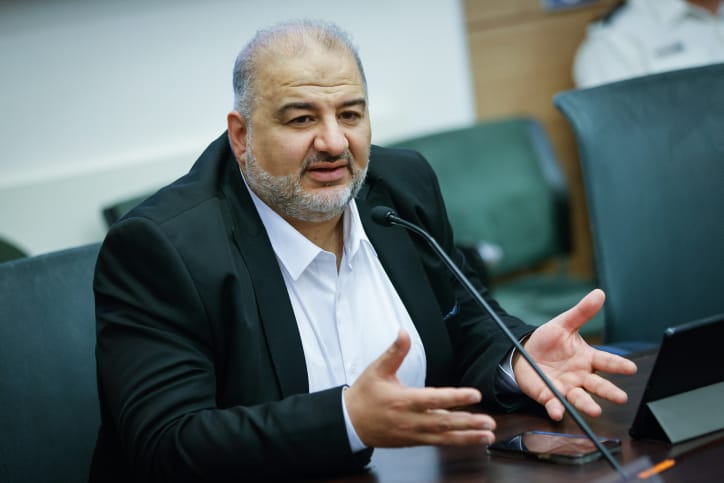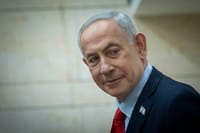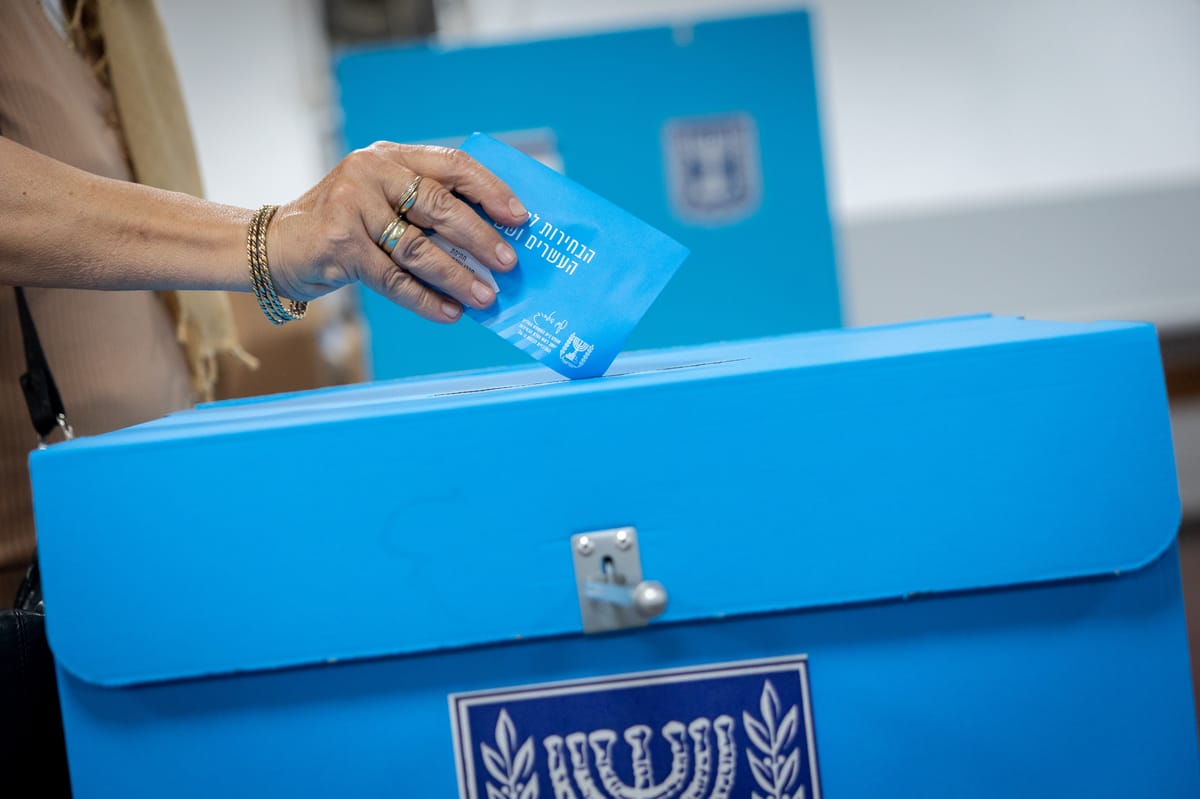
Police arrested four more suspects on Thursday morning in the investigation into alleged vote-buying for Mansour Abbas's Ra'am party. Three of the four run schools in Tel Sheva and Segev Shalom, Bedouin communities in the Negev. The arrests bring the number of people detained in the case to seven since Tuesday's election for the 26th Knesset. Senior Likud officials said the party will ask election authorities to void the results at polling stations where it claims voters were bribed.
Ynet reported that three of Thursday's four detainees were later released to house arrest. Police were expected to ask the court later that day to extend the detention of the new suspects. Investigators believe all seven belong to a single alleged network. None of the seven has been convicted.
If Likud's challenge succeeds, voters at the affected polling stations could be called back to vote. Courts can order a repeat vote at specific polling stations when violations are proven and could have changed the outcome.
The first three suspects are Ibrahim al-Gharibi, 42, of the Al-Azazmeh community; Hussein Masaudin, 63, of Segev Shalom; and Saif Abu Riaash, 38, a doctor from the Al-Sana tribe. A magistrate's court kept al-Gharibi and Masaudin in custody until Sunday and sent Abu Riaash to house arrest. Police appealed the decision on Abu Riaash, and he was ordered held as well.
Searches turned up envelopes stuffed with tens of thousands of shekels. Investigators found cash at al-Gharibi's home. In his car they found envelopes with Arabic writing, green shirts, flags and Ra'am ballot slips. In court, a police representative accused Abu Riaash of hosting gatherings in private homes to rally support for the party. "He holds meetings in people's homes to get them to vote for Ra'am, even though he is a doctor, and that is problematic," the representative said.
Masaudin accused the authorities of persecuting him for political reasons. His lawyer said the envelopes seized at his home carried the name of the Islamic Movement. One suspect argued that the money was charity for needy families on the movement's behalf, not payment for votes.