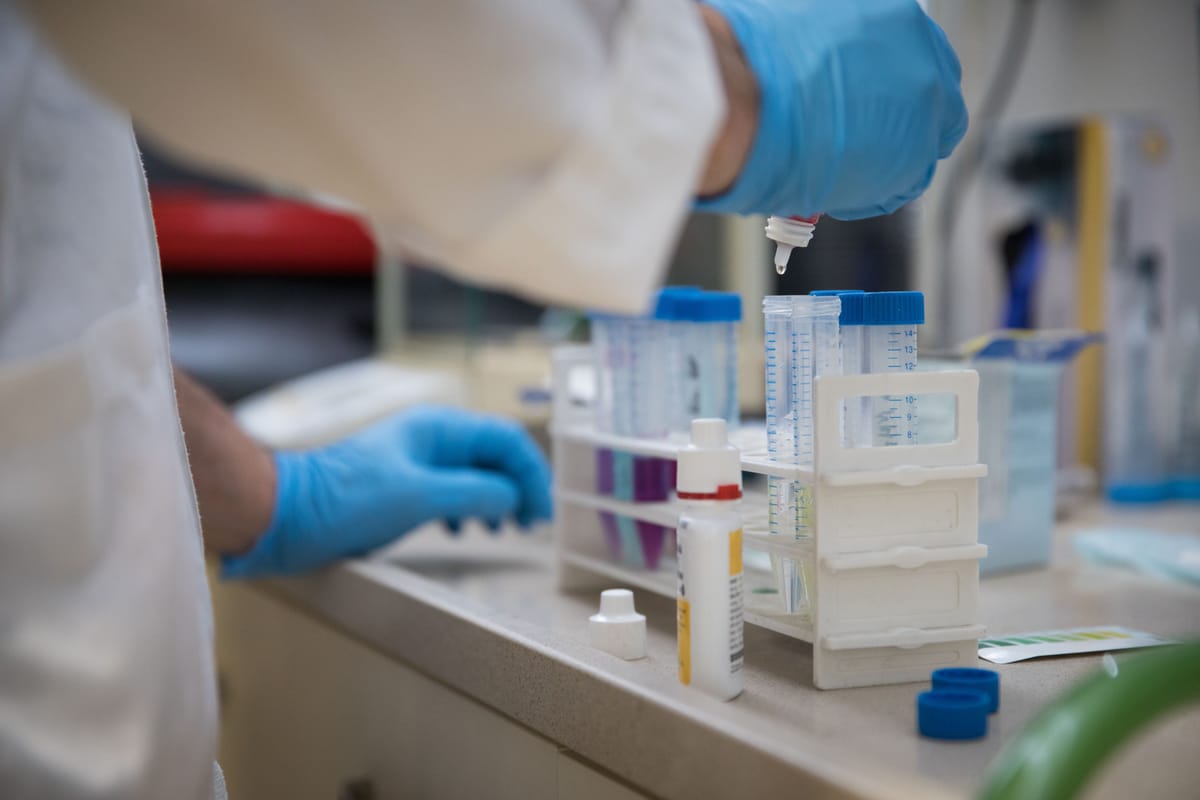
In a significant leap for medical technology, researchers at the Technion Israel Institute of Technology have engineered a biological "smart glue" poised to revolutionize surgical wound closure. Designed to function perfectly in the body’s wet, fluid-rich environment, the adhesive can rapidly bond tissues, halt bleeding, and naturally promote healing, potentially rendering traditional sutures and staples obsolete.
The innovation centers on a biodegradable hydrogel that combines extraordinary adhesive power with flexibility and safety, a breakthrough inspired by the natural worldspecifically, the mechanism by which mussels anchor themselves to submerged rocks.
Stronger Than Stitches, Safer Than Staples
The primary obstacle for conventional surgical glues is the body's moisture; most fail under wet or bloody conditions. The Technion team, however, created a material that excels in this challenge. Within seconds of application, the hydrogel, based on natural polymers and modified with tannic acid, can securely seal surgical incisions or deep wounds, maintaining its integrity even under internal pressure.
Its key advantages are multifaceted:
- Wet Adhesion: The glue achieves perfect sealing instantly, independent of blood or bodily fluids.
- Biocompatibility: It is designed to be fully accepted by the body and safely breaks down into harmless compounds as the native tissue heals, eliminating the need for removal.
- Antibacterial Properties: The tannic acid component provides a natural defense, actively destroying harmful bacteria by breaking their cell walls, thus drastically reducing the risk of wound infection.