Get our mobile app
Download on the App StoreGet it on Google Play

After 44 Years

Final Sultan Yacoub Soldier Identified

The remains of Sgt. Yehuda Katz have been located 44 years after one of the deadliest battles of the First Lebanon War, bringing closure to his family after decades of uncertainty

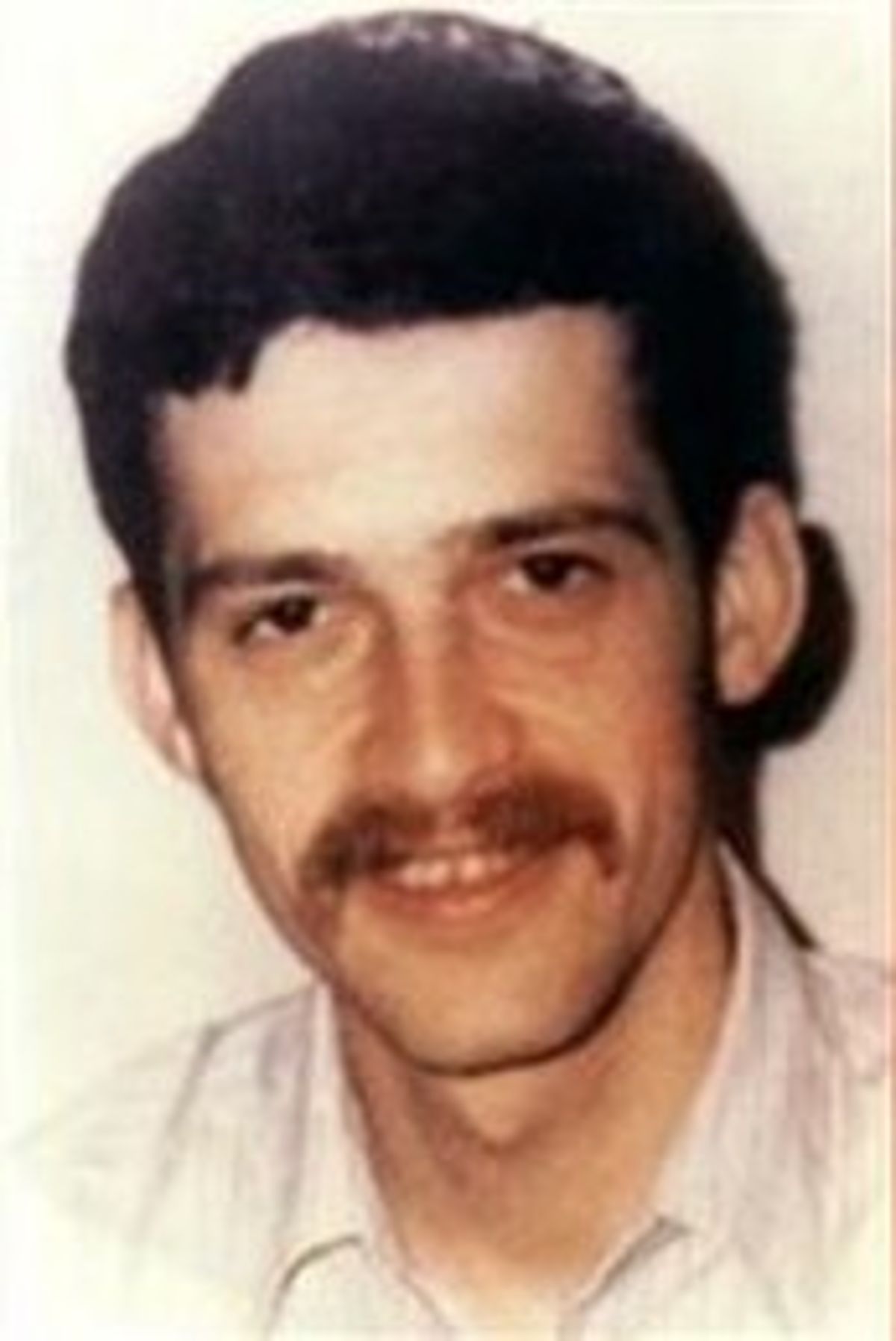
Yehuda Katz HYD

The Israel Defense Forces has identified the remains of Sgt. Yehuda Katz, bringing an end to a 44-year search for the last missing soldier from the Battle of Sultan Yacoub during the First Lebanon War.

Military officials informed Katz's family of the discovery, closing one of the most painful chapters in Israeli military history. The June 11, 1982 battle near the Lebanese village of Sultan Yacoub was among the fiercest engagements of the war. Twenty Israeli soldiers were killed that day, dozens were wounded, and six fighters were declared missing. Of those missing, three remained unaccounted for over the following decades.

Sgt. Zechariah Baumel HYD
Sgt. Zechariah Baumel HYD (Courtesy of the family)

Seven years ago, the body of Sgt. Zechariah Baumel was returned to Israel for burial. Last year, the remains of Sgt. Zvi Feldman were recovered in a special operation conducted inside Syria. Katz was the final missing soldier from that tragic engagement.

On the sixth day of Operation Peace for Galilee, as Israeli forces clashed with Syrian army units. The sector commander was Avigdor (Yanush) Ben-Gal, with Ehud Barak serving as his deputy and Amram Mitzna as divisional chief of staff. The mission was assigned to a divisional force comprising three armored brigades and one infantry brigade.

During the night of June 10-11, Israeli forces advanced toward a strategic junction codenamed "Toblerone Triangle" at the foot of Sultan Yacoub village. The Israeli force was unaware that Syrian military units were positioned near the village, and the ensuing battle proved exceptionally brutal.

Tzvi Feldman HYD
Tzvi Feldman HYD (Photo: IDF Spokesperson)

According to testimonies, the engagement was marked by confusion and lack of coordination between units, which led in part to friendly fire incidents among IDF forces. The Israeli force found itself at a topographical disadvantage, and the battle continued for approximately eight hours until the battalion withdrew under cover of heavy artillery fire.

By the battle's end, eight Israeli tanks remained in Syrian hands. The fate of three of the missing soldiers was eventually determined: Zohar Lifshitz was killed during the battle and buried in Syria; his body was returned to Israel after the war ended. Aryeh Lieberman fell into Syrian captivity and was released two years later. Hezi Shai was captured by Ahmed Jibril's terror organization and freed three years later as part of the Jibril prisoner exchange.

The circumstances and conduct of the battle became the subject of scholarly and public controversy, likely due to its severe outcome, the uncertainty surrounding the missing soldiers' fate, and criticism directed at the battle's commanders, some of whom later became prominent political figures.

Research conducted years afterward revealed that the IDF possessed aerial photography showing the Syrian forces' positions, but this intelligence never reached the combat units in the field. Following the Oslo Accords, Yasser Arafat transferred half of Baumel's identification tag to Israel.

The identification of Sgt. Yehuda Katz's remains concludes a painful chapter in Israeli military history and provides his family with closure after decades of waiting and hope.


Ready for more?

Join our newsletter to receive updates on new articles and exclusive content.

We respect your privacy and will never share your information.

Enjoyed this article?

Yes (32)
No (1)
Follow Us:

Unmissable content


Loading comments...

Also of Interest