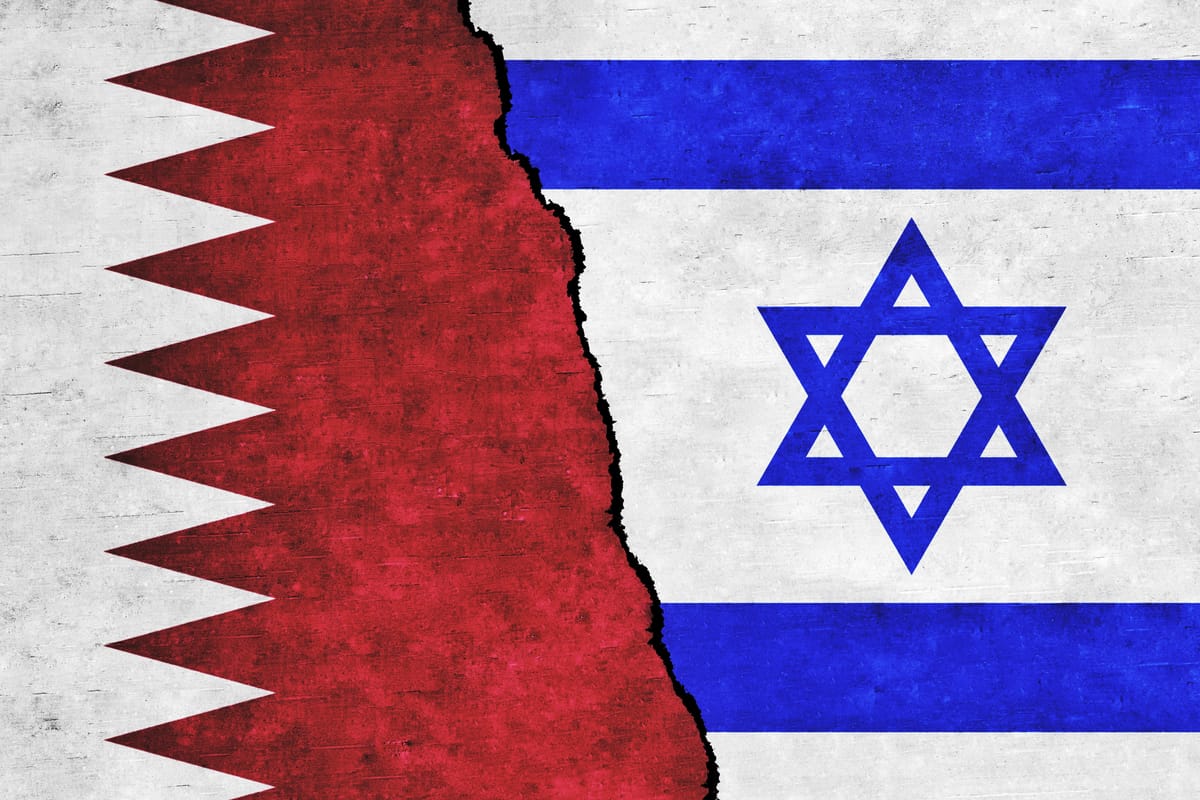
In the uneasy choreography of Middle Eastern diplomacy, few players have been as indispensable in recent years as Qatar. From its gilded offices in Doha, the small Gulf emirate has carved out an outsized role as mediator, leveraging its ties with both Washington and Hamas. But that role is now on hold and the reason lies in a single, unprecedented Israeli airstrike.
In the spring, Israeli jets struck inside Doha for the first time, killing five Hamas operatives and a Qatari security officer. For Qatar, the violation of its sovereignty was intolerable. Within hours, the emirate froze its mediation between Israel and Hamas, a suspension that has now stretched into weeks.
According to sources familiar with ongoing talks, Qatar is willing to return to the table, but only if Israel issues a formal apology. The demand comes directly from Emir Sheikh Tamim bin Hamad Al-Thani and was raised in conversations with U.S. Secretary of State Marco Rubio and Prime Minister Benjamin Netanyahu in recent days.
For Netanyahu, the request poses a combustible political problem. Any hint of contrition toward an Arab state could be seized upon by rivals at home as weakness. Yet history shows precedent: in 2013, Netanyahu apologized to Turkey’s Recep Tayyip Erdoğan for the deaths of activists aboard the Mavi Marmara three years earlier.
The United States is pressing hard for a resolution. Washington views Qatari mediation as essential to any hostage deal that could secure the release of Israelis still held in Gaza and potentially pave the way toward winding down the war. White House envoy Steve Witkoff is set to meet Qatar’s Prime Minister Mohammed bin Abdulrahman Al-Thani in New York this week to try to bridge the gap.
Qatari officials, insiders say, may be flexible on the wording of an apology, focusing not on Hamas but on the death of their own security officer, coupled with financial compensation and assurances that their sovereignty will not be violated again.