Get our mobile app
Download on the App StoreGet it on Google Play

OCTOBER 7 INVESTIGATION

"They changed protocols in PM's office"

Aluf Avi Gil, who woke Netanyahu on October 7, breaks his silence: recommendations for preventive strikes were rejected, and during the war itself the office tried to alter the timeline of that morning's phone calls

Ex-Military Secretary: They Changed Protocols in Netanyahu's Office

Three years after the October 7 massacre, Aluf (res.) Avi Gil, who served as Prime Minister Benjamin Netanyahu's military secretary, has broken his silence and revealed disturbing details about an attempt to falsify protocols in the Prime Minister's Office.

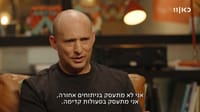
In his first comprehensive interview, broadcast Thursday evening on Channel 12 News, Gil presented the 16 notebooks that documented everything from the inside, and addressed recommendations for preventive operations that were rejected by Netanyahu.

"There is no state commission of inquiry," Gil said at the outset. "We saw just this week what happens when events are not investigated, when they are not addressed, when processes are not carried out properly." Gil, who was the one who woke Netanyahu on the morning of October 7, now reveals the clear warnings the prime minister received on the eve of the war.

"There were recommendations for preventive operations — and they were not accepted"

In the comprehensive interview, Gil confirms that recommendations were passed to carry out preventive operations in Gaza, but they were rejected. "There were recommendations to carry out preventive operations in Gaza, and they were not accepted," he said explicitly. The former military secretary recounts that he received an update only at 6:12 in the morning, and at 6:40 spoke with Netanyahu, a conversation that would stand at the center of the controversy over the falsification of protocols.

According to Gil, later on Tzachi Braverman, who served as chief of staff, asked to change the timeline of the protocol so that it would be recorded that the 06:40 call actually took place at 06:29. "The preoccupation with collecting protocols began two to three weeks into the war," Gil reported. "At the end of October, several parties approached me and told me there was an unusual effort to collect protocols. In the middle of the war, when we are preparing the maneuver or beginning the maneuver in Gaza."

Appeal to attorney general and instruction to alter stenograph

Gil describes how he turned to the attorney general to stop the process. "They approached me that there is a collection of protocols in the Prime Minister's Office, and this collection of materials is being carried out contrary to procedures. I turned to the attorney general. I remind you, we are in the middle of the war, at the height of the war. They collected stenographs and protocols, and all I did, I didn't want to accuse anyone, I didn't want to open anything, I wanted to stop it."

According to him, Attorney General Gali Baharav-Miara issued a document that sharpened the procedures and clearly defined what is permitted and what is forbidden. "When you want to review a protocol you are required to approach the body that organized the discussion, receive approval, review it in the offices of that body. You are not allowed to take a copy, you are allowed to write notes for yourself," he explained.

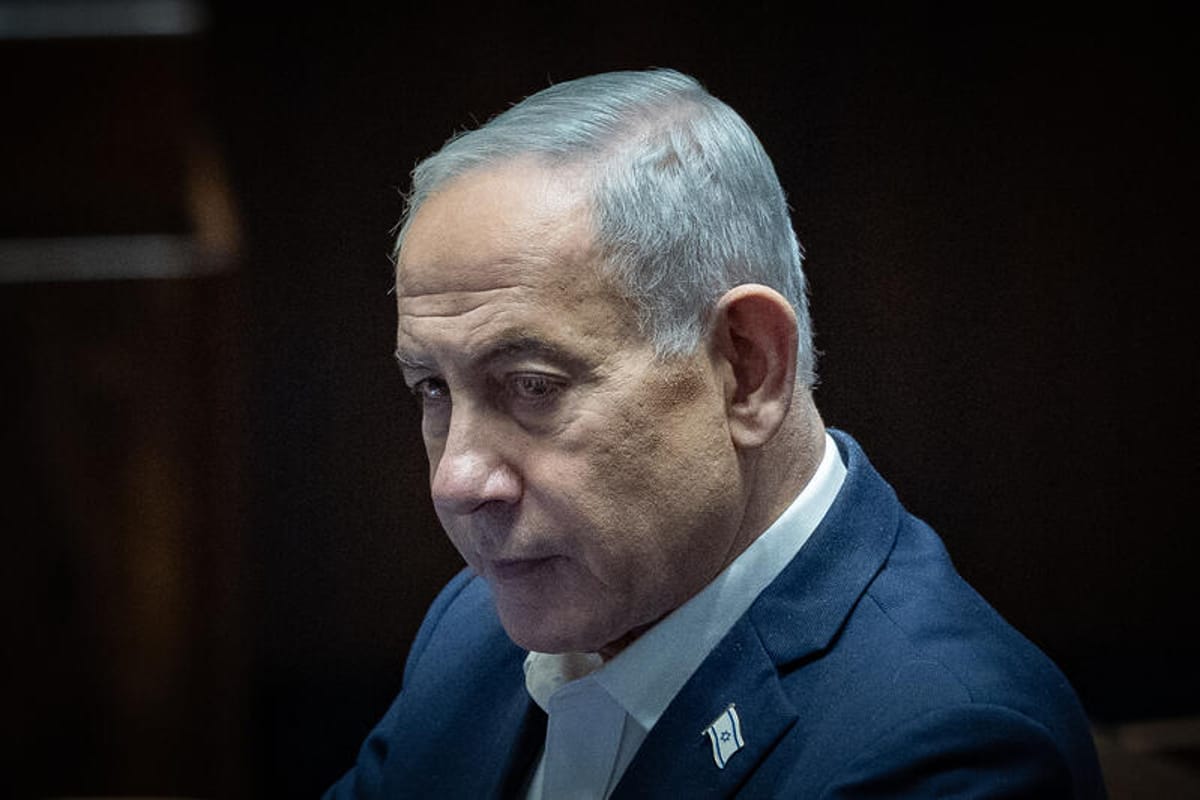
Netanyahu
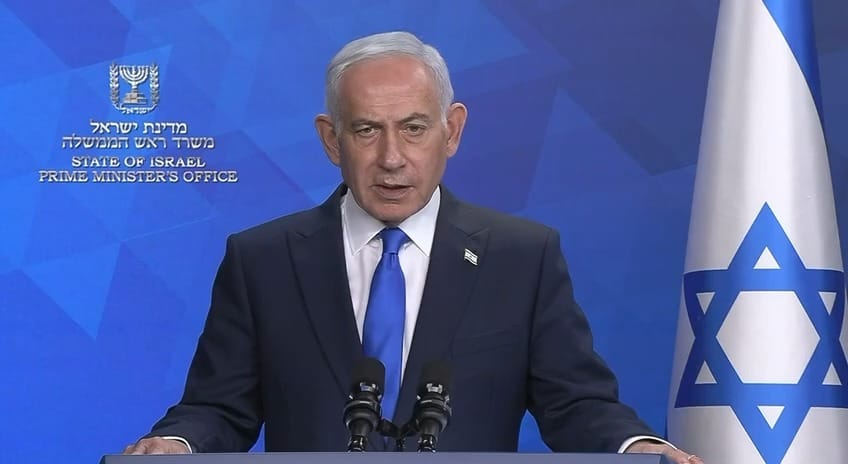
Netanyahu (IDF Spokesperson)

However, in January, about two months later, one of the stenographers approached him with a disturbing revelation. "She tells me that she was instructed to bring the stenograph of that phone call at 06:40, and she was instructed to change the time of the call from 06:40 to 06:29," Gil revealed.

Eisenkot demands criminal investigation

Following the shocking interview, the Yesh! party with Eisenkot turned Thursday to the attorney general with a demand to exhaust the investigation regarding the suspicion that the prime minister provided false information to the state comptroller. The appeal was submitted through attorney Uri Haberman, following investigative journalist Ronen Bergman's report in Yedioth Ahronoth and Gil's statements.

The party claims that the circumstances raise concern for abuse of authority, interference with a public servant, and breach of trust. It is further claimed that the presentation of the information could harm the work of a future commission of inquiry and serve as an attempt to coordinate testimonies and whitewash the truth.

"The document to the comptroller does not reflect the truth"

Gil also addressed the document that was transferred to the state comptroller and said: "The document to the state comptroller does not reflect what really happened. It is part of the truth but not the whole truth." According to him, Netanyahu presented a partial picture of security documents that preceded the massacre, and omitted from them warnings and intelligence assessments about Hamas's strengthening, its approach to the Iranian axis, and the danger of escalation against Israel.

Among other things, it is written in the appeal that omissions were exposed in an intelligence document from October 3, 2023, just four days before the massacre. Gil emphasizes in the interview that at 06:40 on the morning of the events he told the prime minister: "We have nothing in intelligence. I told you, a few small things started, but we will need to ask the questions later, how they surprised us."

The revelation raises difficult questions about the conduct of the Prime Minister's Office in the critical period after the massacre, and about the attempt to shape the historical narrative of one of the most traumatic events in the state's history. Now, with the publication of the testimonies and documents, the Israeli public is receiving a rare glimpse into what transpired behind the scenes in those fateful days.

Ready for more?

Join our newsletter to receive updates on new articles and exclusive content.

We respect your privacy and will never share your information.

Enjoyed this article?

Yes
No
Follow Us:

Unmissable content


Loading comments...

Also of Interest