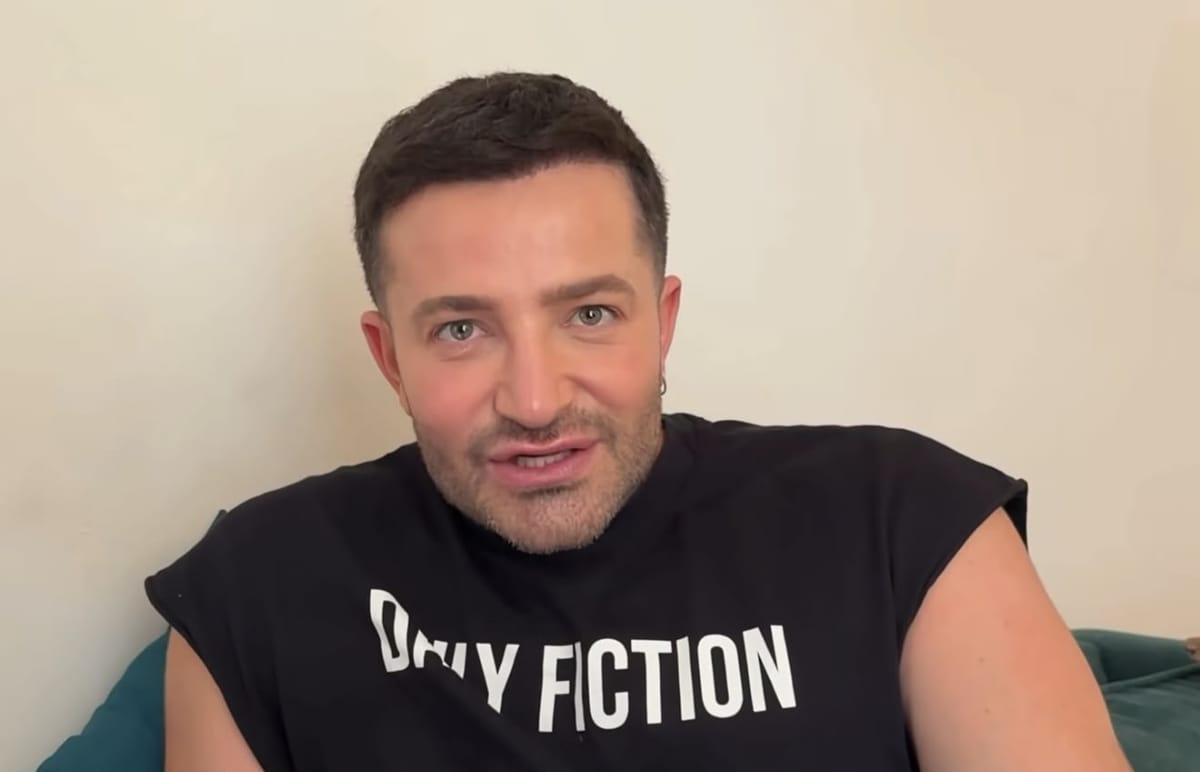
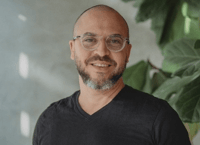
"My sister married an Arab man almost thirty years ago," he said. He explained that no formal process was involved: "You don't have to go through a process, it's not like Judaism and conversion. You marry a Muslim man, it's as if you've converted to Islam."
He was clear about his feelings toward his sister and her children. "I'm proud of my sister, I'm proud of my family, I love them," he said.
Schneidrovsky also addressed attitudes toward Arabs in Israel. He argued that a distinction must be drawn between Arab citizens who reject terror and those who support it, and he counted his sister and his nieces and nephews in the first group. "That distinction has to be made. You can't generalize about the entire Arab population in Israel," he said.
He said that after the October 7 Hamas massacre, his sister and her children faced many painful incidents, both online and offline. "After the seventh of October, my sister and my nieces and nephews experienced a great deal of violence, both physical and online," he said.
He recalled one incident in which a niece called him in tears from a playground in the Kochav Yair area. According to Schneidrovsky, Arab children there had been asked to leave.
Toward the end of the conversation, he looked back on his childhood and said his family had accepted his sister's marriage with love. "In the end, we're a family that immigrated from Russia, and we weren't raised on hatred of Arabs or fear of Arabs or terror attacks or things like that," he said.
Schneidrovsky said he was a small child when his sister moved to Tayibe, and visiting her became a normal part of his life. "My sister married very, very young, she married at seventeen. She had already moved to Tayibe at seventeen. I was a little kid, and I would go to Tayibe for weddings with shots fired in the air. It was something I got used to. That's how I was raised."