On the eve of the October 7 massacre, about 18,500 Gazans held permits to work in Israel. All of them were revoked in the days after the attack.
His hopes go further still. “We want Eisenkot to open relations with the Palestinian Authority,” he said. “Because if you want to end the hostility between Israel and the Palestinians, you have to understand the reason for the hostility.”
What he didn’t say is just as telling. His list ran from an IDF withdrawal to open crossings to workers returning to Israel, exactly as things were before October 7. There was nothing about disarming Hamas, nothing about guaranteeing that the massacre could never happen again, and no word of recognition for Israel.
That is precisely the problem. Before October 7, Israel let thousands of Gazans work inside its borders, betting that a better economy would buy quiet. On the morning of Simchat Torah, it became clear that Hamas had spent those years preparing a slaughter. For Israel, the question is not how to bring the workers back, but who guarantees that it will never again pay in blood for a sense of security that turned out to be an illusion.
The questions that matter come the day after any withdrawal: who controls Gaza’s streets, who holds the weapons, and whether Hamas uses the calm to rearm. Those answers will decide whether any future arrangement brings real security to Israelis in the south, or just another stretch of borrowed time.
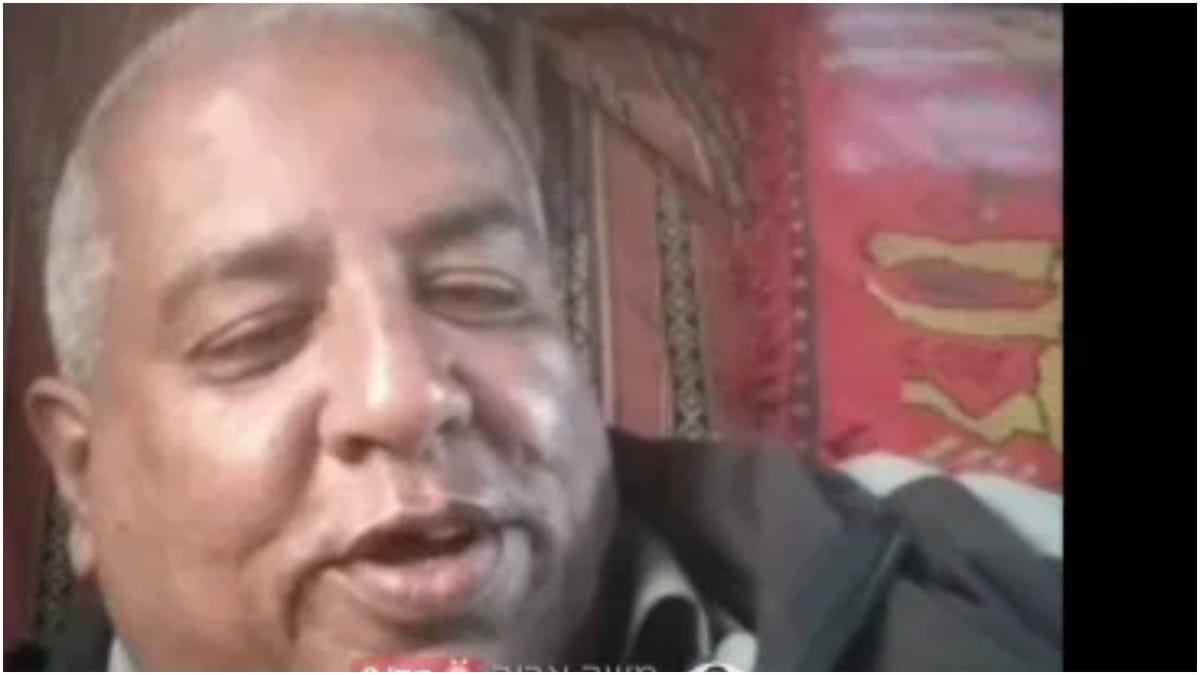
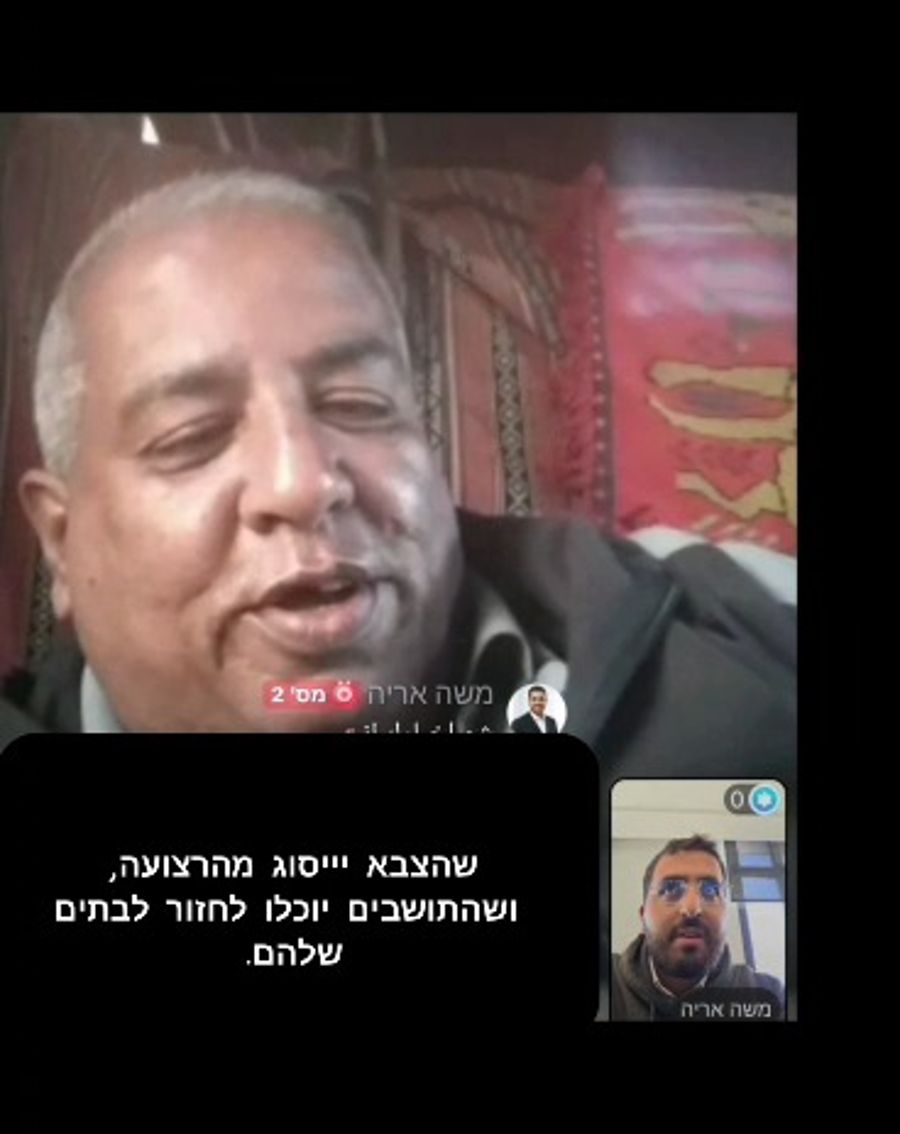
The conversation shows that Gazans are following Israeli politics closely, and that some are pinning their hopes on a change of government in Jerusalem. For this man, Eisenkot is the leader who might give him back the life he had before the war. For Israel, the only question is how to make sure Hamas never again turns the Strip into a launchpad for murder, because in the end, whoever controls the territory and holds the weapons decides what happens there.