The Wall Street Journal reports that the unusual crisis triggered by an Israeli strike in Qatar unexpectedly became a diplomatic lever that led to U.S. President Donald Trump’s peace initiative to end the Gaza conflict.
American and Middle Eastern officials cited in the report said Trump and his senior advisor Steve Whitkoff feared that U.S. mediation efforts could collapse following the assassination attempt in Doha. However, the incident also created a sense of urgency that accelerated talks with Israel, Qatar, and Saudi Arabia.
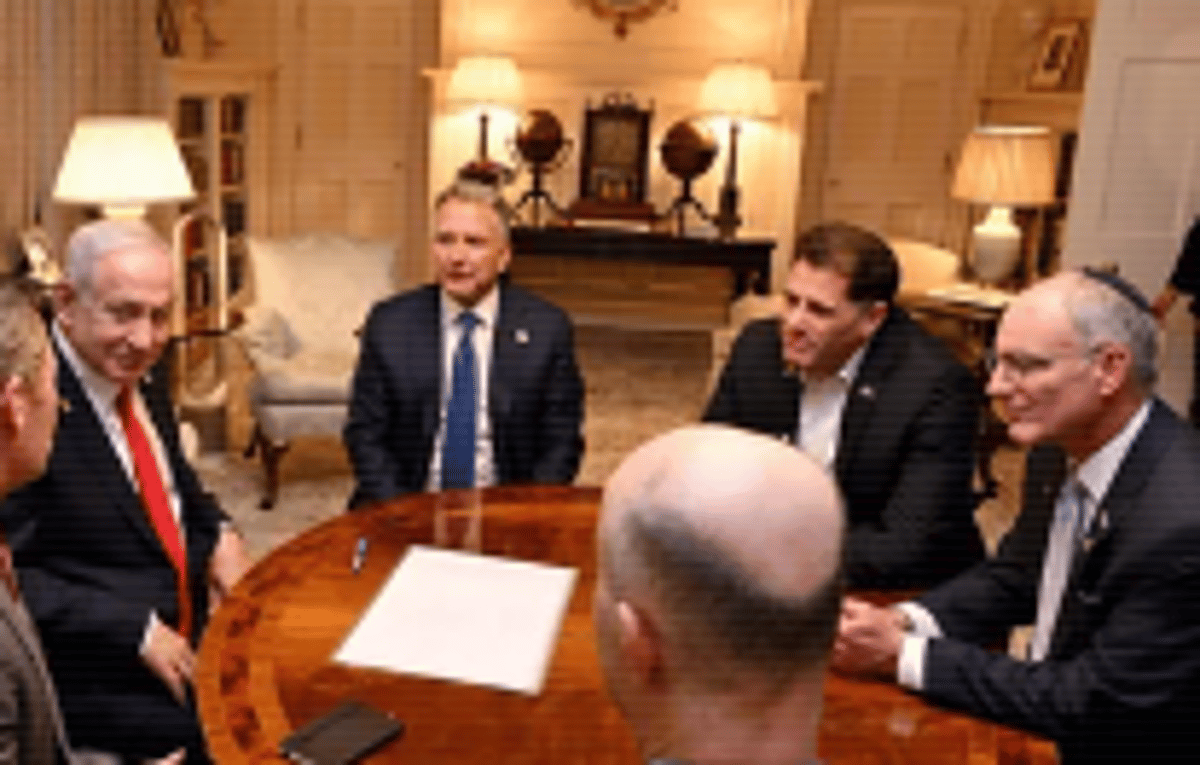
Following the attack, Trump reportedly expressed anger toward Israeli Prime Minister Benjamin Netanyahu, calling the operation “a breach of trust between friends.” Witkoff, alongside former White House senior Jared Kushner and Israeli Strategic Affairs Minister Ron Dermer, conducted weeks of tense discussions, sometimes late into the night, in Miami, New York, Washington, and Doha.
Qatar temporarily severed communication channels with Israel and demanded an official apology. To prevent a full diplomatic fallout, Trump invited Qatar’s Prime Minister to a personal meeting at Trump Tower in New York, where he assured that the U.S. had no involvement in the strike.
According to the WSJ, this meeting became a turning point. The Qatari leader suggested that Trump convene a regional summit of Arab and Muslim leaders, a proposal the president immediately embraced. “Use this moment to end the war,” Trump reportedly told his advisors. “No more fighting, no more hostages, start rebuilding Gaza.”
During the summit, held on the sidelines of the UN General Assembly, Witkoff presented Trump’s 21-point plan. It included phased disarmament of Gaza, hostage release, the creation of a temporary international force for reconstruction, and Israeli commitments to involve Arab states in the process.
After completing meetings with Israeli officials, Arab leaders were surprised to find that many of their requested revisions, including extensive references to a Palestinian state, were omitted. This preserved Israel’s security and political interests.
UAE Foreign Minister Abdullah bin Zayed met with Netanyahu for about an hour, emphasizing the need to end the fighting in Gaza. While Arab leaders requested further adjustments, Trump pressed forward, ensuring the plan maintained Israeli principles: disarm Hamas, release hostages, and rebuild Gaza.
After the public unveiling, Arab states expressed support while emphasizing Israel’s full withdrawal and a commitment to a Palestinian state. WSJ noted that Arab leaders conceded on several points, including halting Trump’s proposal to relocate Gaza residents during reconstruction and Netanyahu issuing an apology to Qatar. Trump commented to Netanyahu: “Apologies are good for the soul,” highlighting the importance of negotiation progress.
Despite public statements suggesting a brief negotiation period, Trump privately indicated willingness to extend talks. Even as some Arab negotiators described Hamas’ response as “no,” the president declared on social media: “I believe they are ready for peace.”
Ultimately, after marathon meetings in the U.S. with Dermer and Netanyahu, a revised, concise, and intentionally vague version of the plan was approved and presented as the “Trump Peace Plan.”