As the 24-hour countdown to a potential regional war intensifies, military planners in Washington and Jerusalem have reportedly finalized a sophisticated "division of labor" for a massive joint strike against the Iranian regime. Military experts suggest that the strike is now a foregone conclusion, with both superpowers shifting their focus away from just the nuclear issue and toward the permanent removal of the Iranian ballistic missile threat. While recent leaks hinted at diplomatic friction, analysts now believe these were intentional deceptions designed to confuse the enemy while senior officers from both nations sat for weeks over aerial maps and intelligence data. The goal is no longer just containment but a transformative blow that could potentially destabilize the regime and clear the path for a new era in the Middle East.
Dividing the Targets
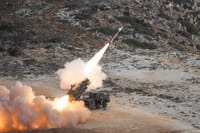
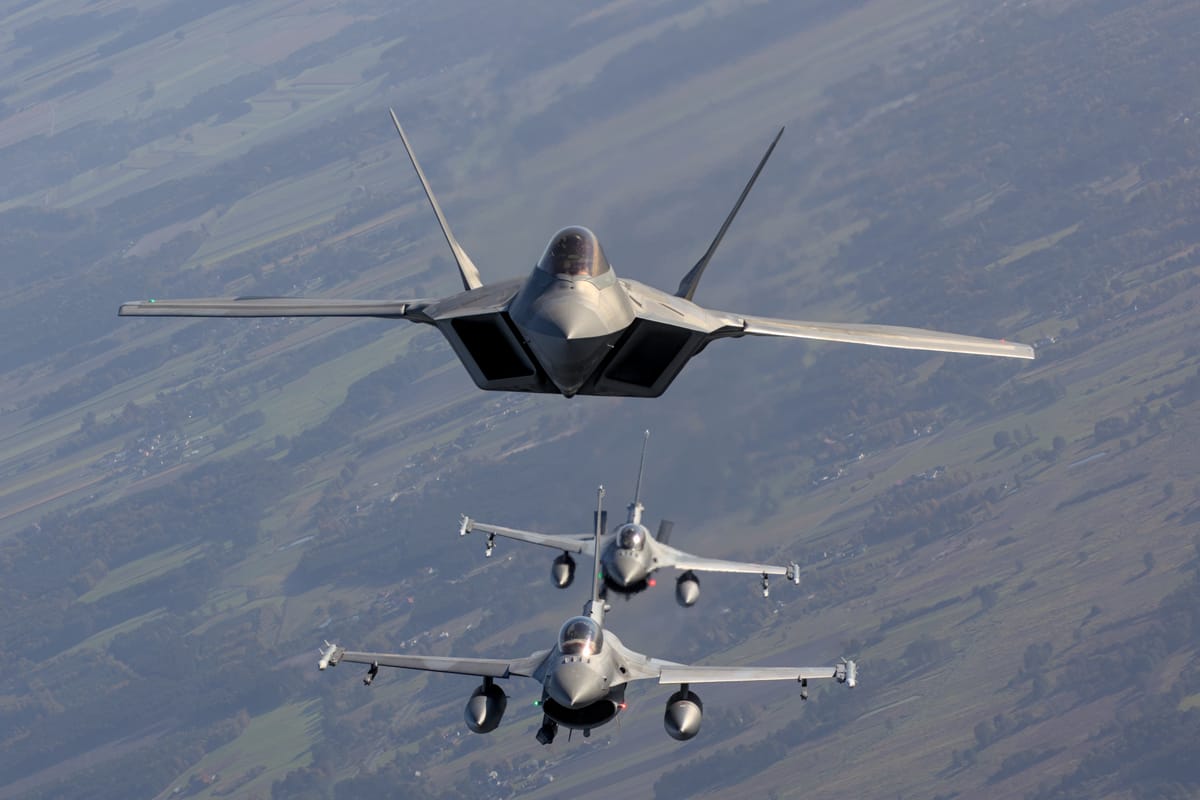
The primary and most urgent objective of the operation is the total neutralization of Iran’s air defense systems. By establishing immediate air superiority, the US and Israel intend to create a "safe corridor" for repeated waves of heavy bombers. "Everything that flies will be destroyed," according to strategic assessments. In this coordinated effort, Israel is expected to focus on long-range ballistic missiles that pose a direct threat to its population centers, while the United States will take responsibility for medium and short-range missiles that threaten American assets in the Persian Gulf and regional allies.
Beyond the missile silos, the joint force is targeting the Iranian Revolutionary Guard Corps (IRGC) naval fleet to prevent any attempt to close the Strait of Hormuz. While previous strikes focused on the surface, the upcoming operation is expected to leverage American "bunker-buster" technology to penetrate the deep underground "missile cities" that the regime has spent decades constructing. Expert Dr. Raz Zimmt notes that while the nuclear facilities in Natanz and Fordow are currently less of a priority, the ability to strike deep into the earth will be a critical psychological and military blow.
Destabilizing the Regime
A key component of the strategy involves shifting from mere military destruction to political destabilization. Some analysts believe that the only way to truly "shake the regime" is through a decapitation strike targeting the highest echelons of Iranian leadership, including Supreme Leader Ali Khamenei. "If you do not kill Khamenei and do what we did in the first hours of previous operations, it will not undermine the regime," Zimmt explains. The goal is to create a leadership vacuum that would prevent the regime from effectively suppressing the millions of angry citizens who might return to the streets once the military apparatus is weakened.
The defense of the Israeli home front is also being bolstered by an international coalition. Unlike the "12-Day War" of the previous year, this time, European and neighboring regional countries have a massive incentive to participate in interceptions. The coordination for air defense is at an all-time high, with Israel requesting the US to further thicken the missile shield before the first salvos are fired. As the window for diplomacy officially closes, the message from both Jerusalem and Washington is that the time for "deception" is over, the targets are locked, and the response will be on a scale the Iranian leadership has never imagined.