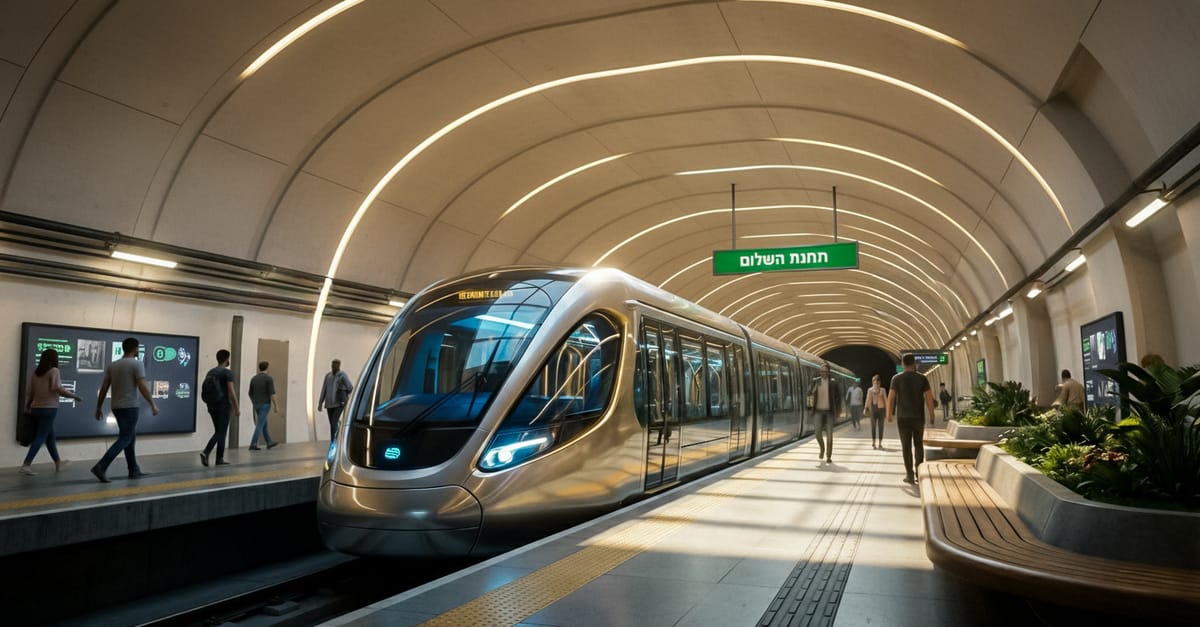
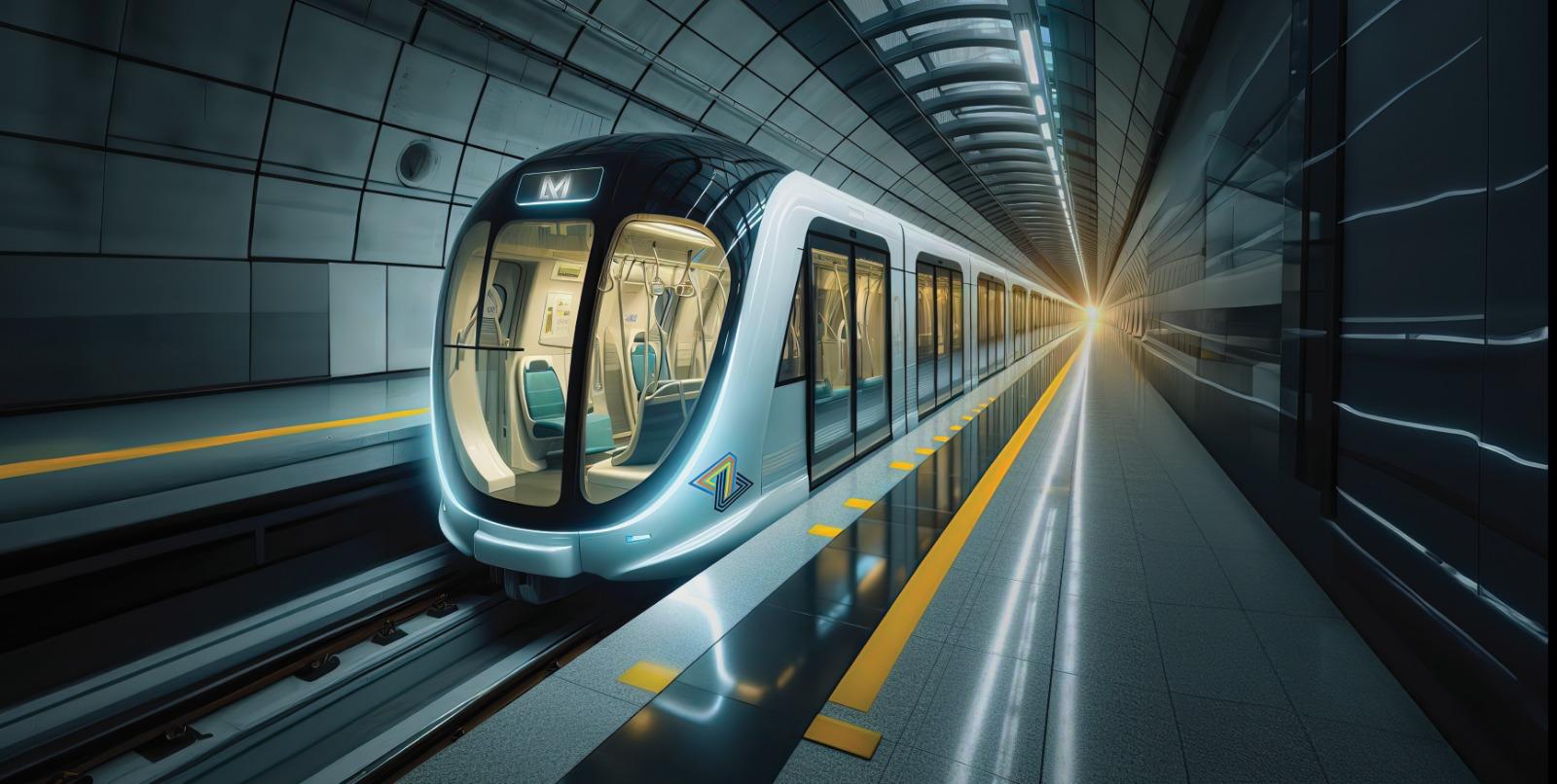
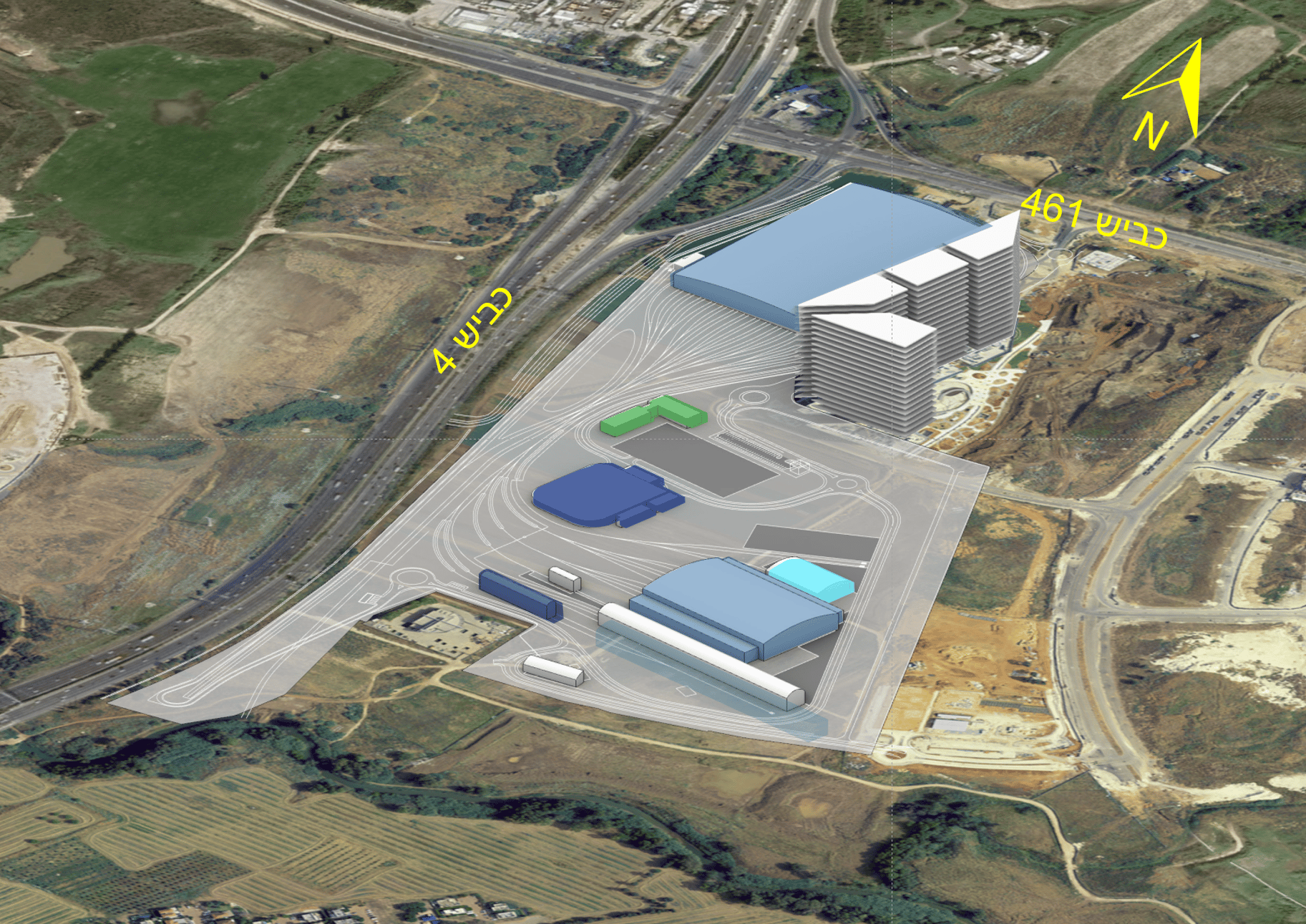
Companies will bid to supply autonomous trains (fully driverless), signaling systems, electrical infrastructure, and station systems. The goal is to bring world-class technology to Israel's public transport network. The trains will use GOA4 technology, which is basically the highest level of automation available in rail systems worldwide. In simpler terms: no drivers, real-time monitoring, and advanced safety built in.
All the systems, trains, signals, power, communications, will integrate into one unified platform to keep the network running smoothly and securely. Israel's cybersecurity firms will work with winning bidders to ensure safety standards.
Yudit Afek Arazi, head of NTA's board, emphasized the significance of this moment: "The metro is now transitioning from tunnels and stations to the trains and systems that will transform it from a mega-engineering project into a living, functioning transportation system."
The Big Picture
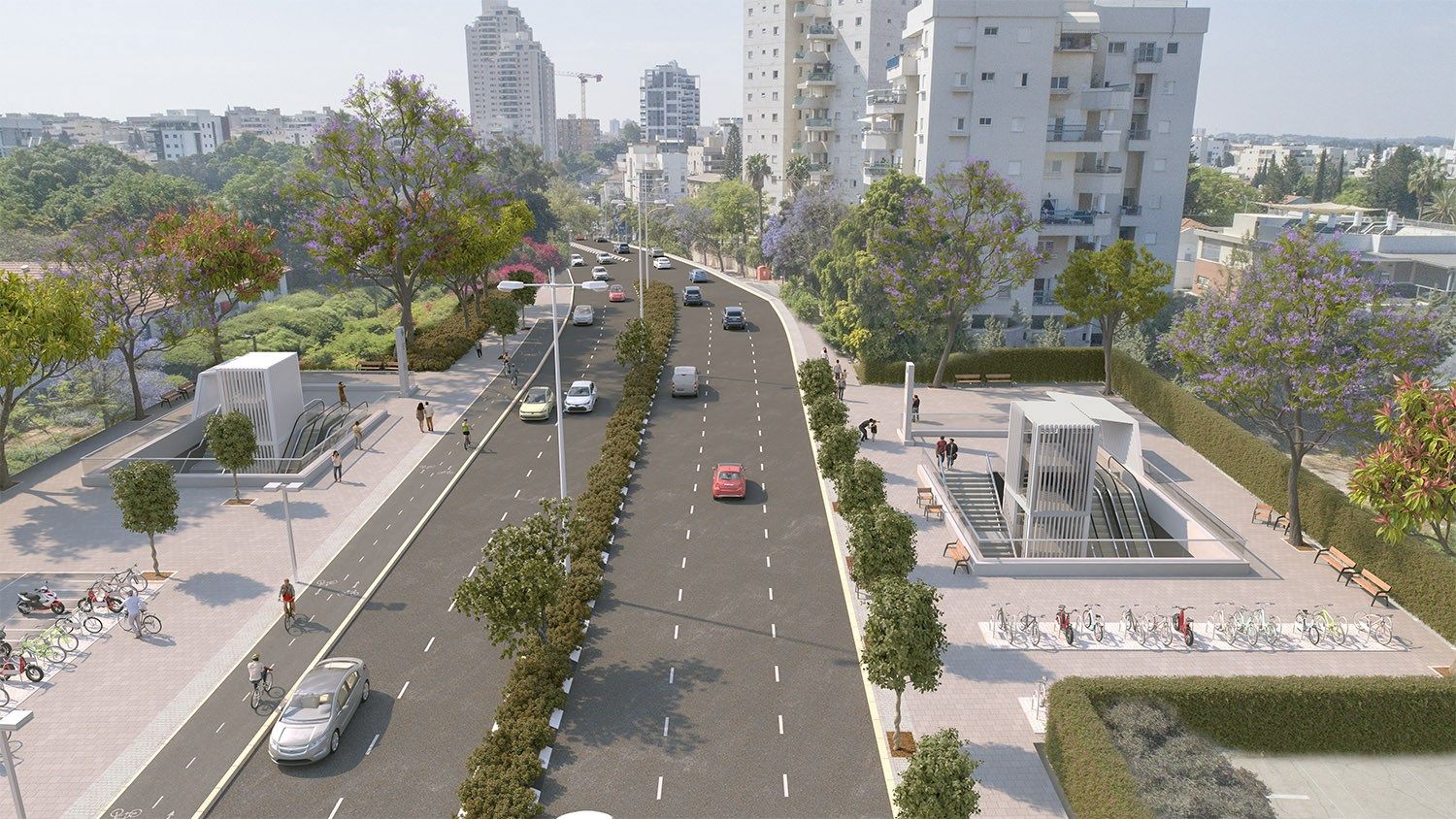
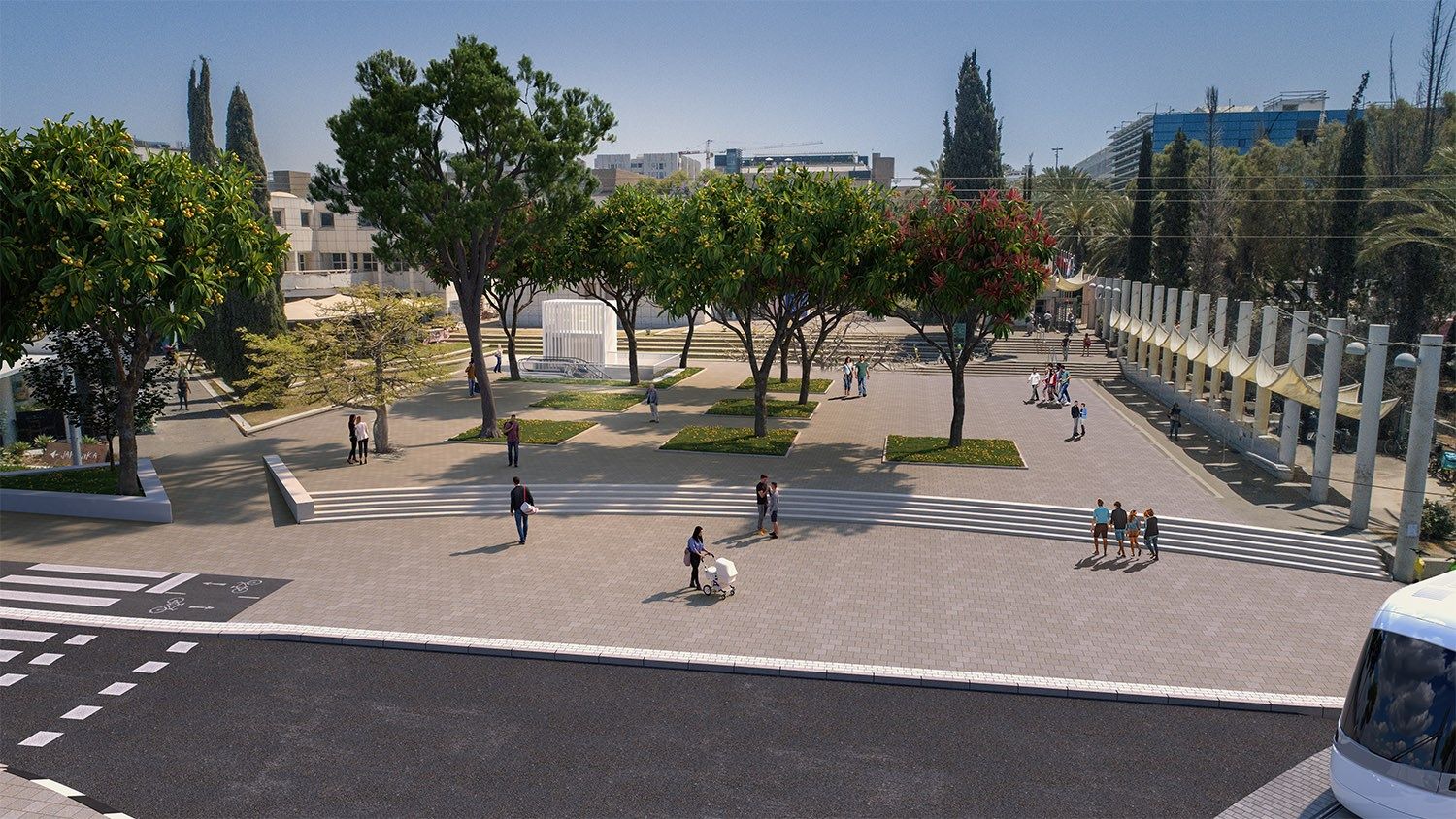
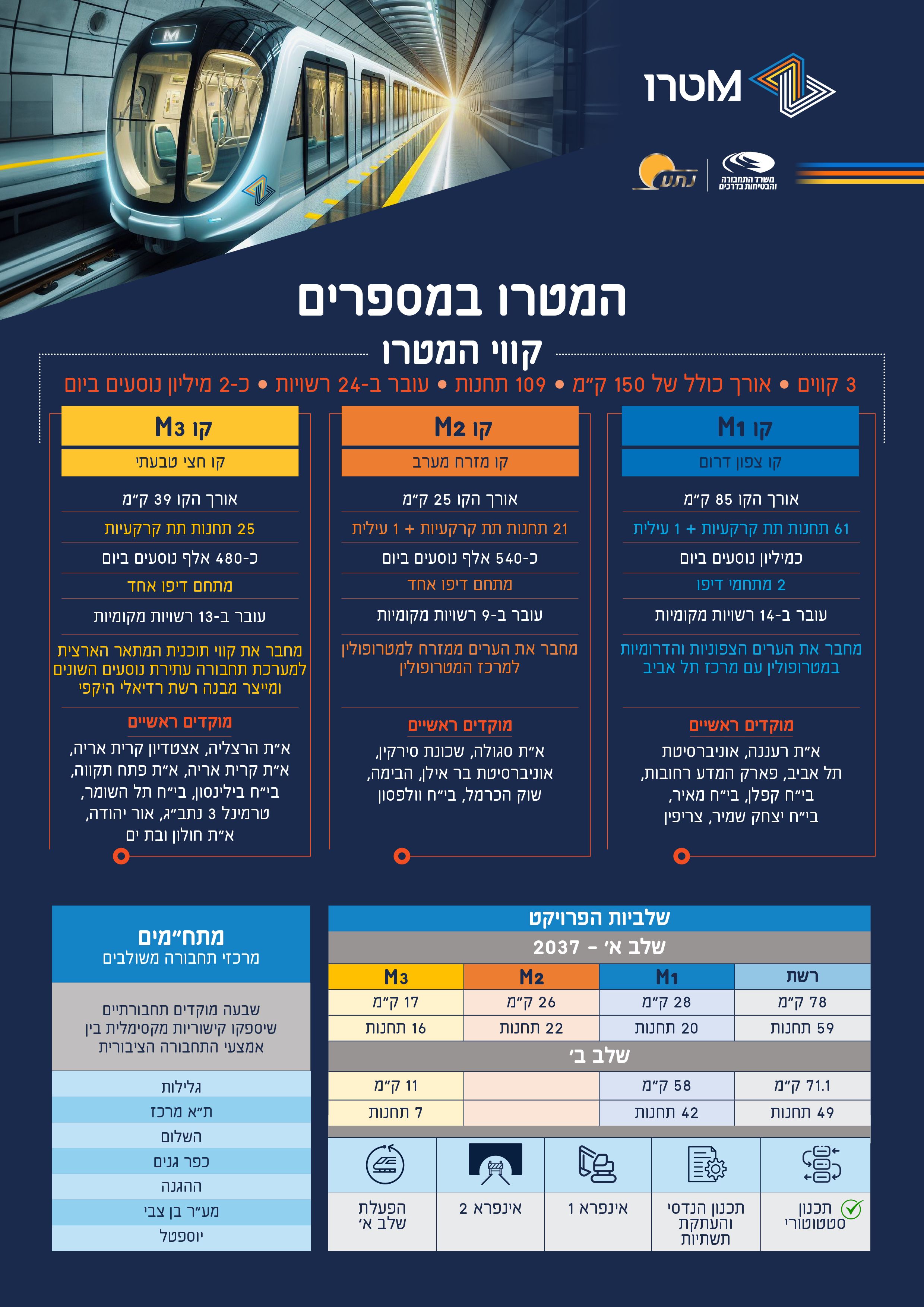
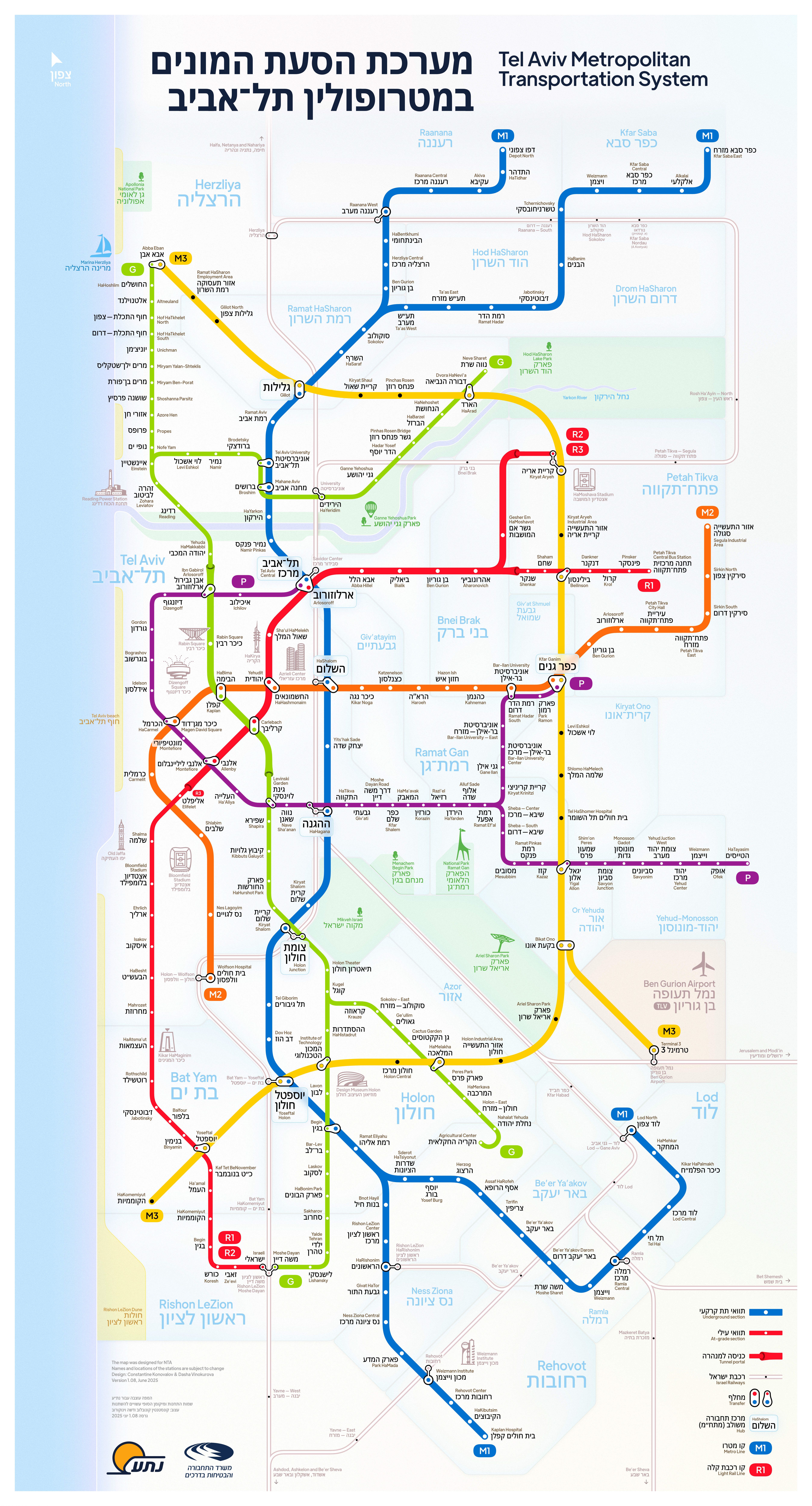
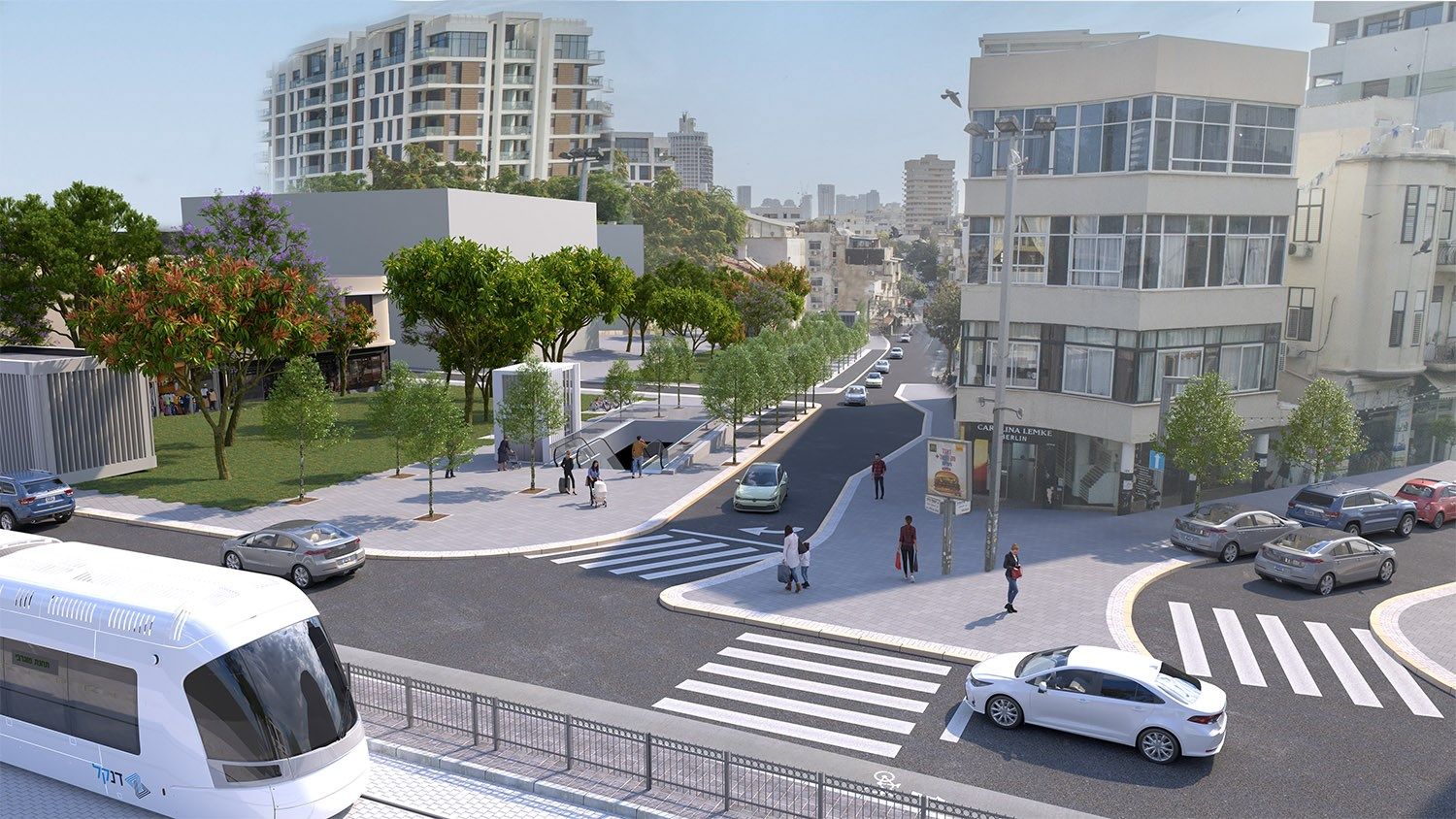
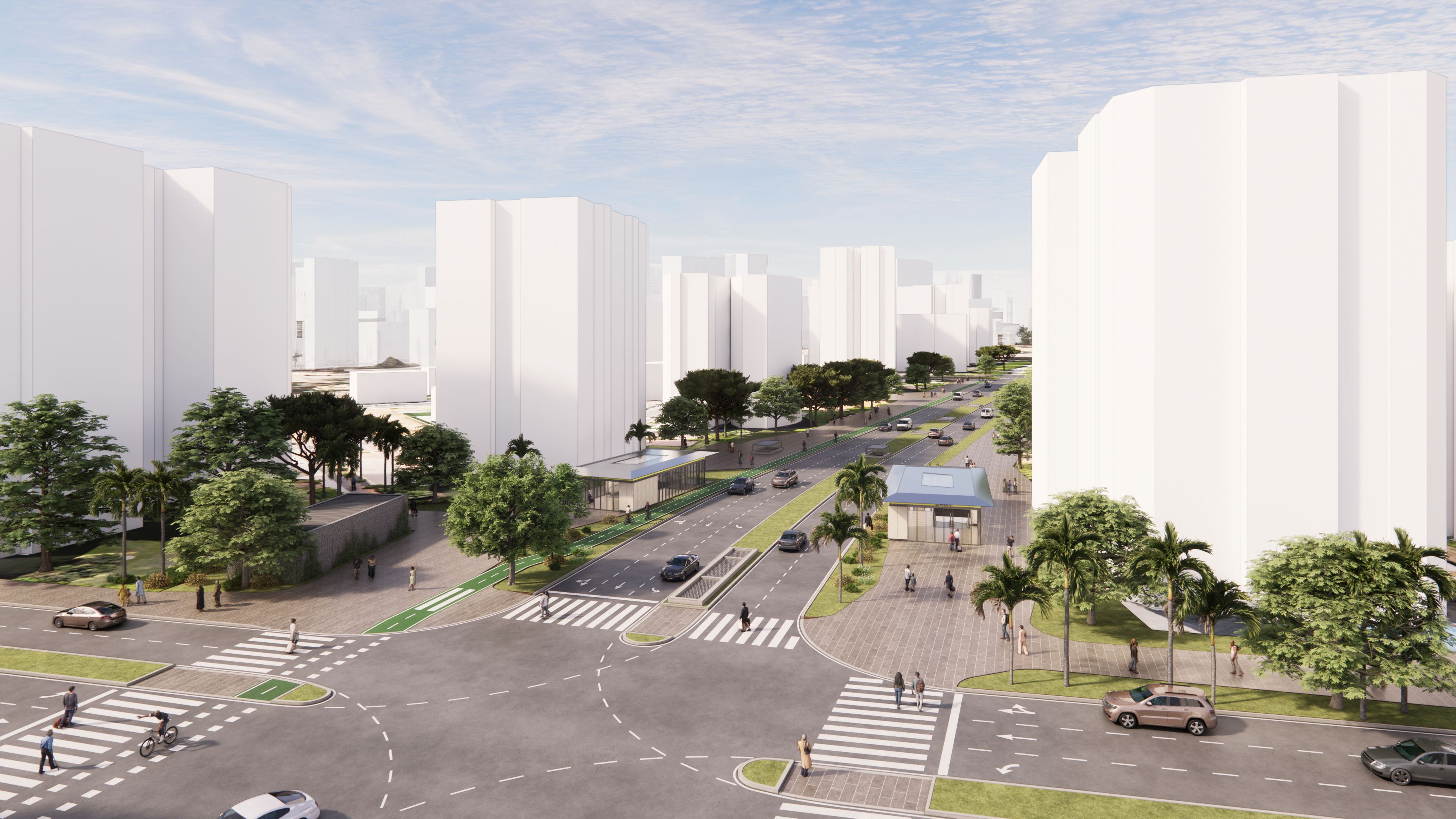
When it's finished, the Tel Aviv metro will have three lines spanning 150 kilometers with 109 underground stations. It will connect 24 municipalities in the greater Tel Aviv area and handle over 600 million trips a year. Combined with the existing light rail network, the entire system will move more than 800 million people annually.