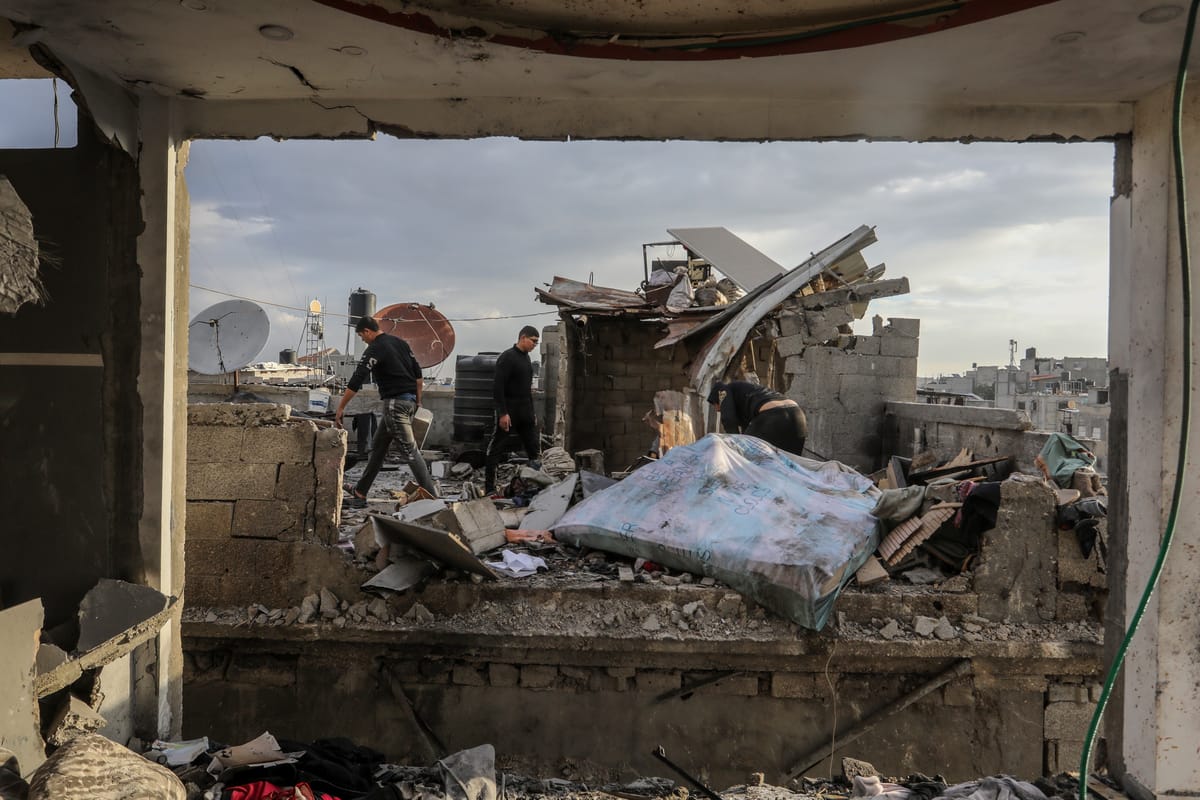
The United States is pressuring Israel to immediately advance the reconstruction of the Gaza city of Rafah and transfer responsibility for the effort to the US headquarters in Kiryat Gat, as part of the proposed "Rafah First Reconstruction" project. However, the Israeli security establishment is strongly resisting the push, warning that premature re-entry could allow the Hamas terrorist organization to re-establish its military presence.
The US plan involves moving hundreds of thousands of Palestinians back into Rafah after they have undergone security screening to prevent the infiltration of Hamas terrorists or security personnel who might try to regain governance.
Israeli Concerns Over Security and Tunnels
Sources within Israel’s Southern Command expressed strong opposition to their American counterparts, arguing that Rafah has not yet been fully cleared of terrorists, and the vast network of tunnels remains largely undestroyed.
In response to Israeli objections, US representatives reportedly insisted that "things will sort out for the better. It will bring stability."
However, Israeli security officials assess that allowing Palestinians to return to Rafah now could lead to the rebuilding of Hamas’s military wing in the area, which is currently largely empty of civilians save for armed militias and an estimated 150 terrorists holed up in tunnels. Furthermore, officials warn that the return of the population would lead to the reconstruction of smuggling tunnels for weapons and the resumption of drone smuggling from Egypt.
Senior Israeli political and security figures maintain that they oppose any attempt to advance negotiations with Hamas until the terrorist organization returns the three deceased captives, begins the demilitarization of the Gaza Strip, and agrees to the transfer of governance to a body other than the Palestinian Authority.
US-Hamas Meeting Canceled Amid Israeli Fury
The diplomatic tensions were amplified by a reported attempt by the US to engage directly with Hamas.
According to a report from the Lebanese channel Al-Mayadeen, a planned meeting in Istanbul between US envoy Steve Witkoff and senior Hamas figure Khalil al-Hayya was canceled following intense Israeli pressure.
The news of the planned meeting sparked intense anger within the Israeli security establishment. Officials familiar with the American mechanism in Kiryat Gat argued that the meeting would signal US recognition of Hamas’s status, severely hindering Israel's position in transitional negotiations with the group.
The planned discussion, reportedly focused on the "day after" in the Gaza Strip, drew sharp criticism because Witkoff, an official American representative, was set to meet with a representative of an organization officially designated as terrorist. Sources claimed the meeting would have negative implications for moving from the first to the second phase of negotiations, especially since Israel insists on all captives being returned, the demilitarization of the area, and the end of Hamas rule before any transition can occur.