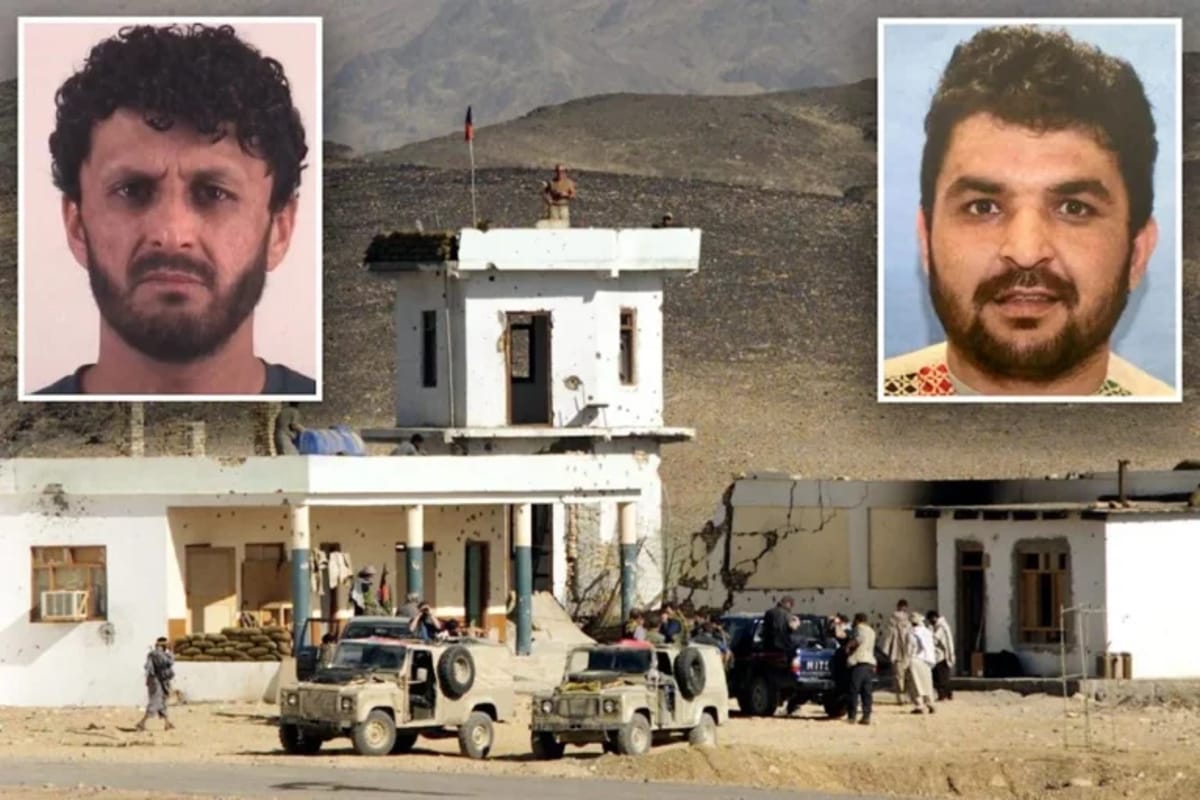
Two Afghan men recently arrested in separate terror-related incidents in the United States, including the suspect accused of killing a National Guard member near the White House, served at the same elite counterterrorism base in Kandahar, raising serious questions about the vetting process for evacuees brought into the country.
The disturbing link between the suspects comes as a third Afghan evacuee was arrested last week in an unrelated case involving support for ISIS-K, marking three arrests in as many weeks involving individuals who entered the U.S. following the chaotic 2021 withdrawal under Operation Allies Welcome.
Rahmanullah Lakanwal, who is accused of fatally shooting West Virginia National Guard Specialist Sarah Beckstrom and wounding her colleague near the White House on November 26, had reportedly worked in support of US forces at an Afghan Army special-operations base in Kandahar.
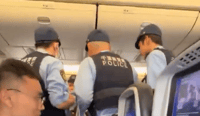
Just one day earlier, Mohammad Dawood Alokozay was arrested in Texas for making threats of a suicide bombing. While his charging document did not mention his background, it has been confirmed that Alokozay worked as a security guard at the exact same Kandahar base, serving the Afghan counterterrorism unit, Strike Force 03. Lakanwal and Alokozay both served at the facility for years, with their tenures overlapping.
General Haibatullah Alizai, who was the last chief of staff of the Afghan Army before Kabul fell, confirmed Alokozay had served in the Afghan National Police and held multiple sensitive military roles. Alizai recalled conversations with Alokozay’s former commanders who described him as "a polite person," making his alleged threatening behavior in the U.S. all the more alarming given his access to personnel, infrastructure, and equipment overseas.
Alizai suggested that Alokozay, who was "in the war for almost 20 years," requires extensive investigation to understand how he "became radical," even more so than Lakanwal.
Federal prosecutors say Alokozay threatened two fellow Afghans during a video group chat, claiming allegiance to the Taliban and detailing plans for a suicide attack. According to the Justice Department, he described building an IED using a yellow cooking-oil container favored by Taliban bombmakers and vowed to "suicide bomb Americans." An informant who viewed the video reported that Alokozay "was repeatedly issuing violent threats."
On December 4, federal agents announced the arrest of a third Afghan evacuee, Jaan Shah Safi, who was brought in under Operation Allies Welcome and is accused of providing assistance to the terror group ISIS-K, responsible for the deadly attack on Kabul airport during the U.S. withdrawal.
Representative Jeff Van Drew (R-NJ) commented on the situation, stating that there is a clear responsibility to investigate whether these three individuals shared any connections and to prevent another threat from slipping through the cracks. Nearly 190,000 Afghans entered the U.S. through the program, many of whom were former interpreters, guards, and support personnel. The program’s vetting processes, rushed and incomplete at the time, are now facing intense renewed scrutiny.