In an unusual and embarrassing admission, the head of Iran's judiciary, Gholam-Hossein Mohseni-Eje'i, confirmed that some of the inmates who escaped Tehran's notorious Evin Prison during last year's war remain free and have not been returned to custody, an acknowledgment that lays bare the continued weakness of Iran's security apparatus more than a year after the breakout.
Some of the prisoners who escaped have still not returned, Eje'i said, referring to inmates who fled following the strike on Evin Prison. The admission, reported by Iran International, marks official confirmation that Iranian security forces have failed to fully contain the fallout from one of the most symbolically damaging episodes of the war.
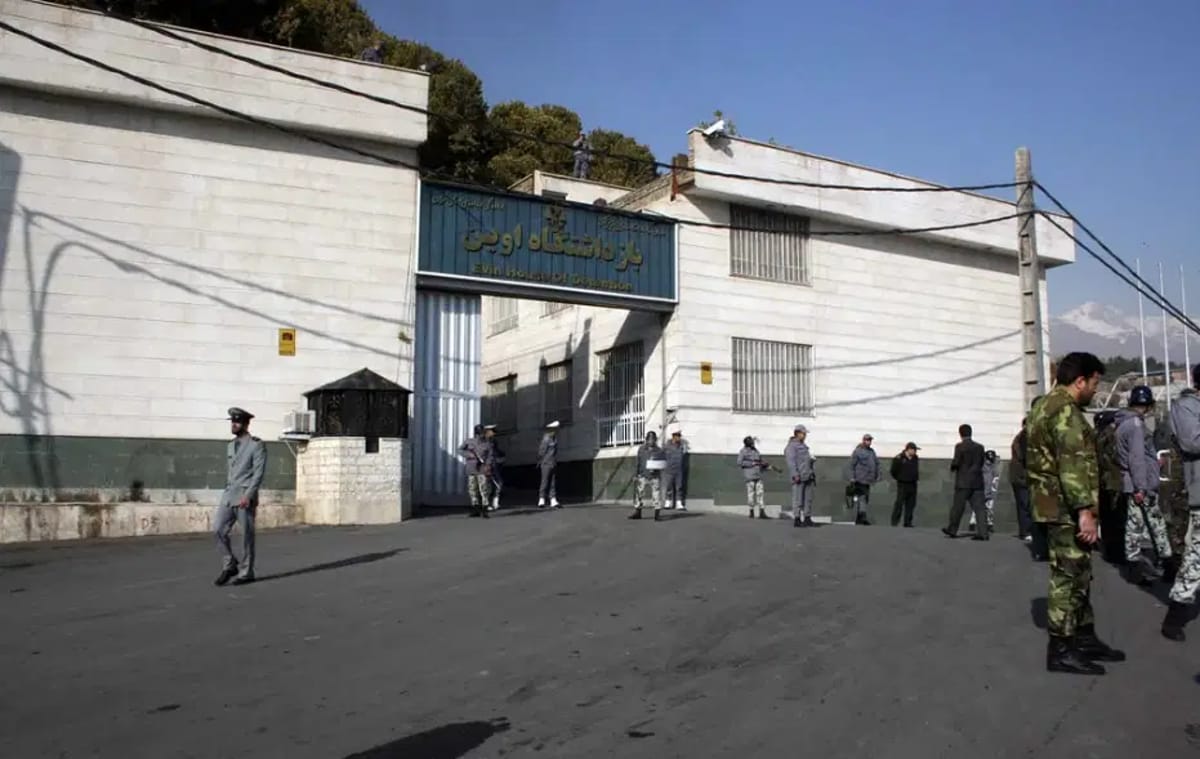
Evin Prison, located in northern Tehran, is widely regarded as one of the clearest symbols of repression under the Islamic Republic. The facility has served for decades as the primary site for incarcerating political prisoners, journalists, academics, human rights activists, and dual nationals accused of espionage, and has been repeatedly condemned by international human rights organizations for systematic abuse. Its reputation for tight security and brutal conditions made the mass escape from the facility a particularly heavy blow to the prestige of the Ayatollahs' regime.
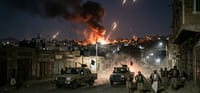
Israeli airstrikes targeted the prison on June 23, 2025, in the deadliest single strike of the conflict, with Iranian media, activists and human rights groups reporting that those killed and wounded included family members of prisoners, social workers, a lawyer, doctors and nurses, a five year old child, and conscripted teenage soldiers guarding the prison's entrances. Israeli sources said after the attack that the strikes on Evin and seven other locations across Tehran were intended specifically to encourage the escape of regime opponents held there, saying Israel took down all of the prison's entrances so inmates could escape. The strike drew international condemnation, including from French President Emmanuel Macron, who said it bore no relation to Israel's stated war aims.
A spokesperson for Iran's judiciary, Asghar Jahangir, said 75 prisoners fled the facility in the aftermath of the strike, with 48 of them either captured or returned voluntarily, leaving security forces searching for the remainder. Mohseni-Eje'i's latest admission confirms that at least 27 of the escapees remain unaccounted for, despite extensive search efforts by Iranian security forces.
Jahangir's account of the escape has shifted notably over time. He initially described the breakout as involving only a non significant number of prisoners, who he said were quickly recaptured, before later acknowledging the far larger figures now confirmed. He has characterized the escapees as inmates serving time for minor offenses and warned that authorities would imprison anyone who failed to surrender voluntarily. The latest admission from the judiciary's own chief, however, suggests Iranian authorities continue to struggle with the fallout of the episode well over a year later, with several of those still missing reportedly designated by the regime as dangerous elements or prominent political dissidents, a fact that underscores the operational difficulty Iranian security services have faced in tracking them down.
Conditions for the prisoners who remained in custody following the strike have also drawn serious concern. Human Rights Watch documented inhuman, cruel and degrading treatment by Iranian security forces as they transferred prisoners out of Evin in the immediate aftermath of the attack, and reported that detainees held in sections of the prison run by intelligence and security bodies have effectively disappeared, with authorities refusing to disclose their fate or whereabouts. Separately, the BBC has reported that prisoners relocated to new detention facilities described overcrowded cells, a lack of beds and air conditioning, limited access to toilets and showers, and beatings with rods.
Evin Prison, built around a central courtyard used for executions, holds an estimated nearly 15,000 inmates. The facility has faced documented allegations of severe human rights violations dating back to 2005, including brutal torture methods and the psychological cruelty of prolonged solitary confinement. The Israeli strike on the facility, and the mass escape that followed, represent a continuing blow to the image the Iranian regime has sought to project of total control over its internal security apparatus.