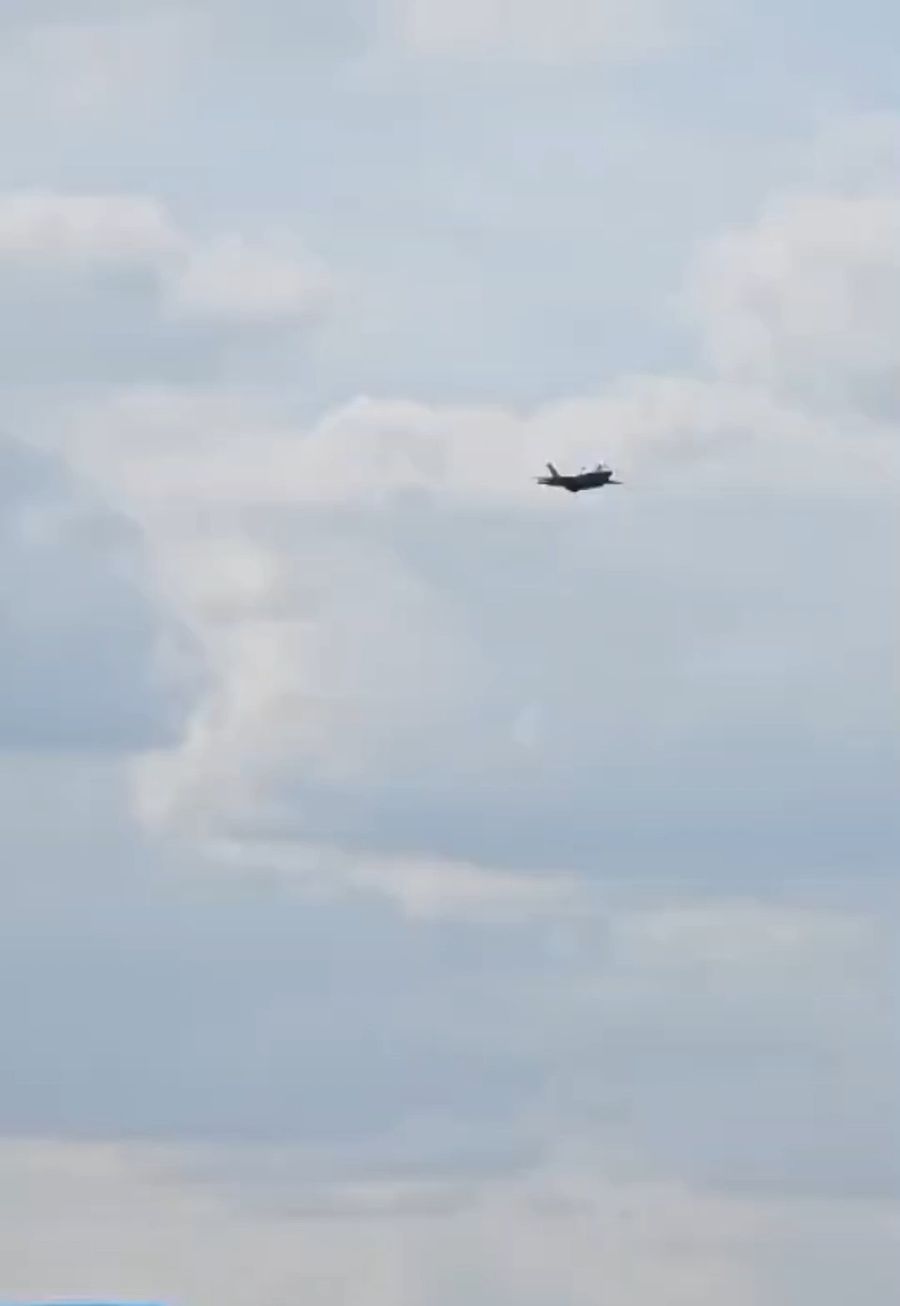
Germany reached a significant milestone in its military modernization this week when its first F-35A Lightning II stealth fighter took to the skies over Texas. The aircraft, bearing the designation MG-01 and eventually to carry the German tail number 35+01, completed its inaugural flight on September 8 from Lockheed Martin's facility in Fort Worth. This represents a watershed moment for the Luftwaffe, Germany's air force. The aircraft is the first fifth-generation stealth fighter to enter the German military's procurement pipeline and will gradually replace the country's veteran Tornado jets. Germany ordered a total of 35 F-35A aircraft in a deal approved in 2022.
Luftwaffe Modernization
Germany's First F-35 Takes Flight
The Luftwaffe's inaugural fifth-generation fighter jet completed its maiden flight, marking a major step in replacing the aging Tornado fleet and enhancing NATO nuclear-sharing capabilities
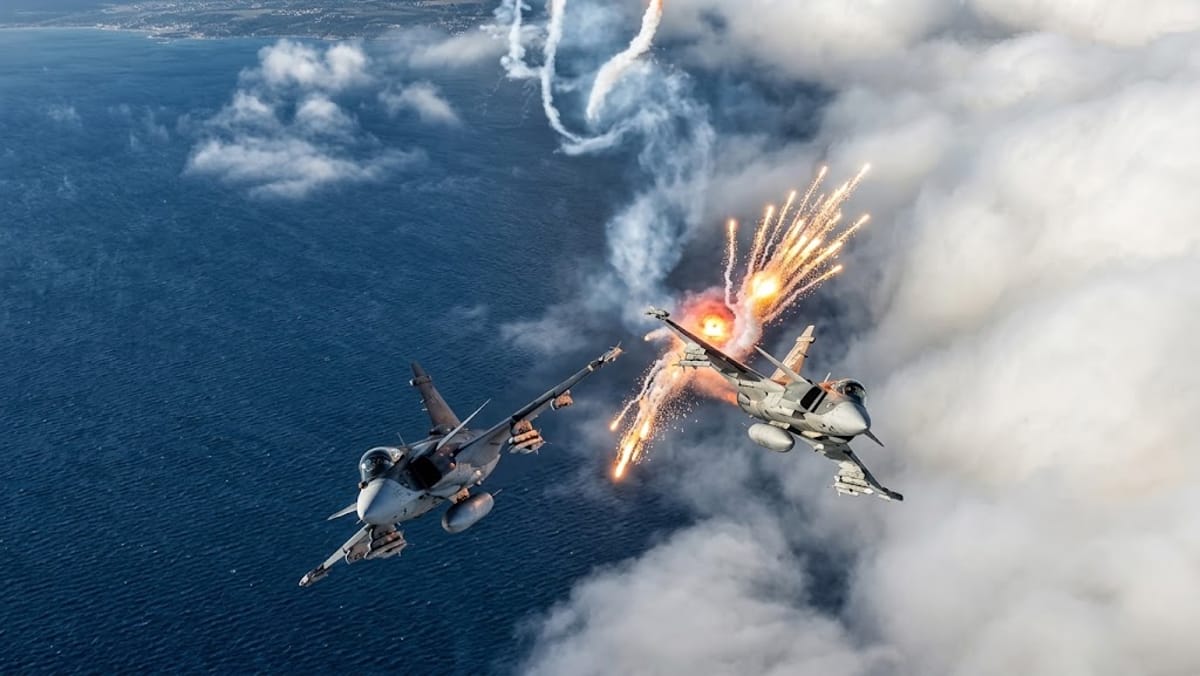

With this acquisition, Germany joins an expanding coalition of nations operating or purchasing the advanced stealth fighter. According to Lockheed Martin, the United States and 19 allied countries have now selected the F-35, including the United Kingdom, Italy, Israel, Japan, Australia, Norway, the Netherlands, Denmark, Finland, Poland, Belgium, and South Korea. The F-35 was chosen for several key capabilities: its stealth characteristics, sensor fusion technology that integrates data from multiple sources, network-enabled operations, and superior performance against advanced air defense systems. For Germany, the aircraft carries particular strategic importance as it is designated to participate in NATO's nuclear-sharing mission, taking over this role from the Tornado fleet.
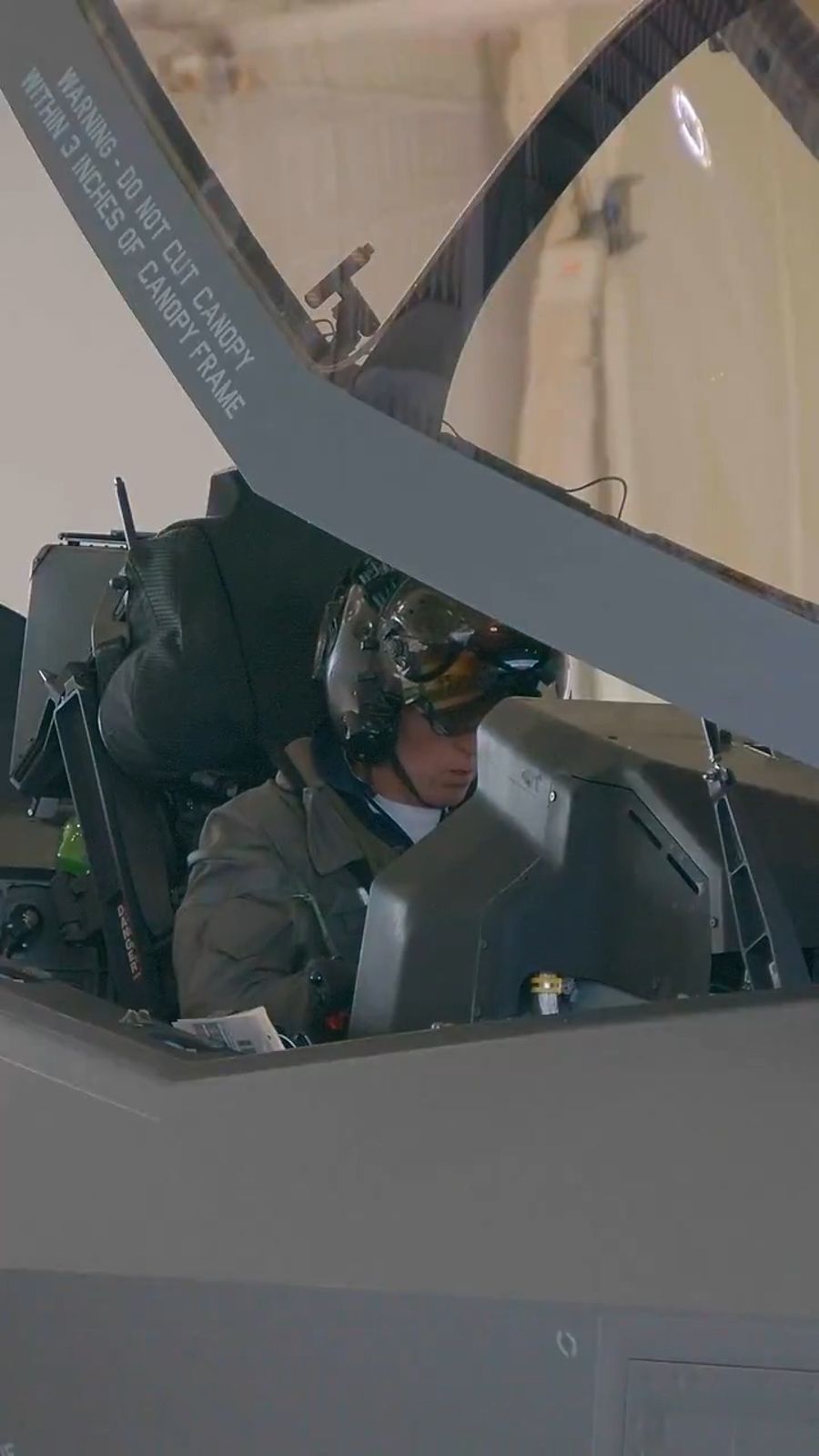
The flight represents a testing phase rather than operational deployment. Following completion of initial trials, the first aircraft will remain in the United States for pilot and maintenance crew training at Ebbing Air National Guard Base in Arkansas. The first jets are scheduled to arrive at Büchel Air Base in Germany during 2027, with initial operational capability planned for 2029.
The development comes as Germany substantially increases its defense spending in response to the war in Ukraine and growing concerns about Russian threats.
Berlin's next-generation fighter plans are in worse shape. France and Germany killed the Future Combat Air System in June after Airbus and Dassault failed to settle who would lead the project, leaving Europe without the sixth-generation aircraft that was meant to replace the Rafale and the Eurofighter around 2040.
Germany Joins the F-35 Club: Its First Jet Makes Its Maiden Flight