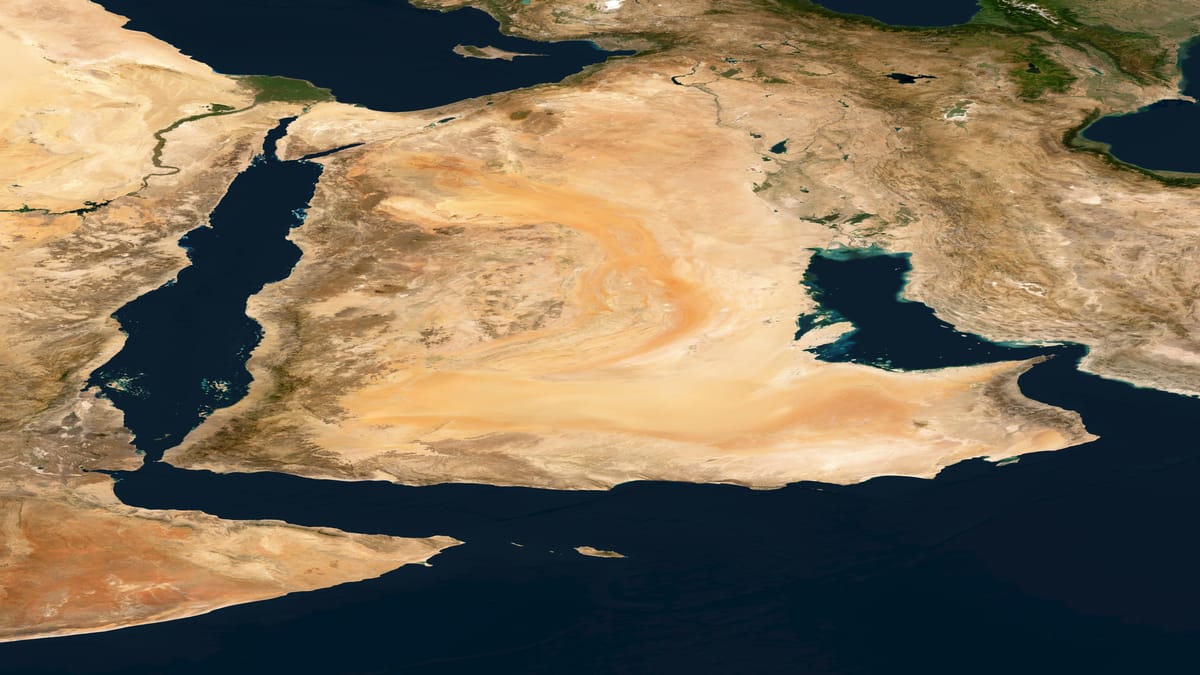
Iran and Oman are continuing to advance a plan to collect fees from commercial vessels transiting the Strait of Hormuz, despite firm objections from Washington, according to a New York Times report cited by Israeli outlets Tuesday.
Iran has held talks with Oman on jointly collecting fees from ships passing through the Strait of Hormuz, the Times reported, despite Trump administration warnings against cooperating with Tehran's demand for payment to transit the critical waterway. Two people familiar with the discussions told the Times that Iran is planning a fee system covering not only passage through the strait but also services provided to ships moving through the area.
According to the report, Oman initially rejected the idea of jointly owning the strait alongside Iran, but is now discussing what share of revenue it could receive should the plan move forward. Sources told the Times that Oman has signaled it is prepared to use its influence with Gulf neighbors, including Bahrain, Kuwait, Qatar, Saudi Arabia and the United Arab Emirates, as well as with the United States, to help advance the proposal.
The dispute centers on a careful distinction Iran has tried to draw between a toll and a service fee. Iranian foreign ministry spokesman Esmaeil Baghaei said Tehran is not seeking to levy transit tolls, but that fees will be charged in exchange for services provided in the strait, a formulation that has done little to ease concern among Western governments and shipping companies. James R. Holmes, chair of maritime strategy at the US Naval War College, told the Times that international law contains no provision allowing a coastal state to charge vessels for passage through a natural waterway, regardless of whether the charge is labeled a toll or a fee.
Secretary of State Marco Rubio reaffirmed this week that the Strait of Hormuz must remain toll-free under any final agreement with Iran, dismissing the distinction between a toll and a fee as a matter of semantics and insisting that no country has the right to charge for the use of an international waterway. Rubio warned that if Iran were allowed to charge fees at Hormuz, there would be nothing stopping other governments from doing the same at other global maritime chokepoints, which he said would lead to chaos.
Oman has separately told European officials that there is no way to fully return to the pre-war status quo at the strait, and that ships may have to be charged some fees, while maintaining that it will always abide by international maritime law. Muscat's messaging on the issue has been mixed, having published a joint statement with Iran discussing how to operate the waterway and the associated costs, only to sign a separate statement with the US and Gulf Cooperation Council days later rejecting any tolls, fees, or attempts to assert control over the strait.
The current dispute has shifted from the battlefield to the wording of diplomatic documents, with a US-Iran memorandum requiring a no charge provision for 60 days, an Oman-Iran joint statement referencing maritime services and associated costs, and continued American insistence that no future arrangement can convert one of the world's most strategic chokepoints into a permission based corridor. The joint statement issued after talks in Muscat does not use the word tolls, but its references to services and costs leave significant room for dispute over where a toll ends and a maritime service fee, insurance mechanism, safety charge or administrative cost begins.
French President Emmanuel Macron has also weighed in, saying international law must be upheld and opposing the introduction of any charges for passage through the waterway. Roughly a fifth of the world's oil and liquefied natural gas supplies pass through the strait, and any fees imposed on shipping companies are widely expected to be passed along through global energy supply chains.