While diplomats talk, Iran is digging.
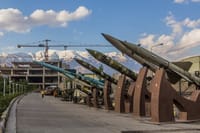
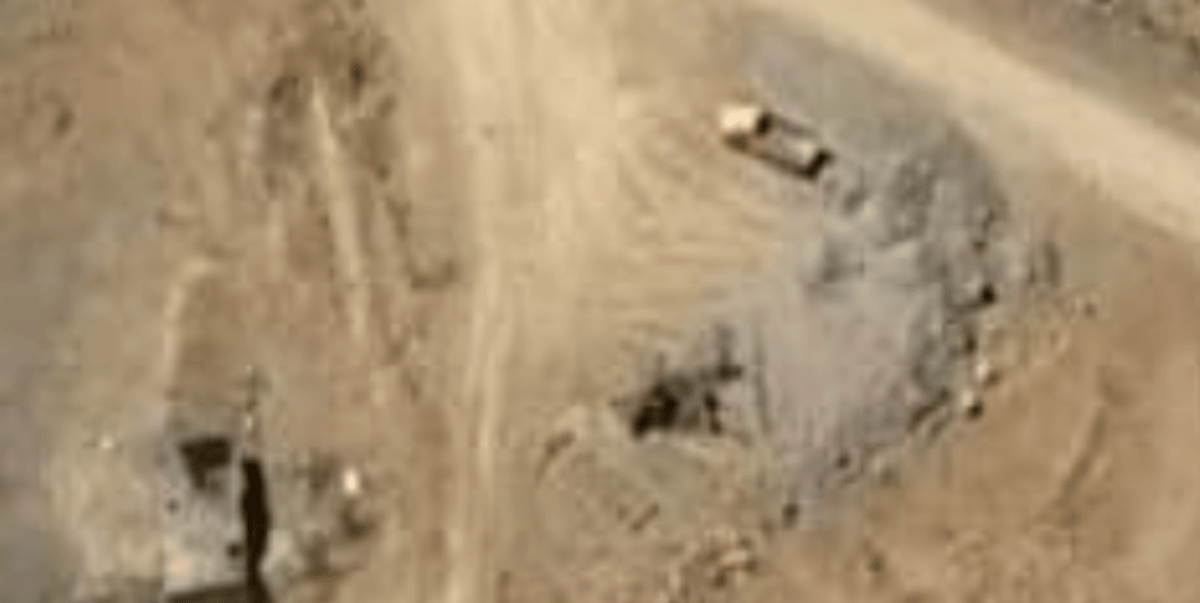
New commercial satellite imagery shows Iran moving quickly to repair and harden the underground missile facilities, air defense networks, and nuclear-related sites that were struck in previous rounds of conflict. Analysts examining images from providers including Planet Labs report debris being cleared from tunnel entrances at damaged "missile cities," concrete shields and earthen coverings being constructed over sensitive locations including Parchin and Isfahan, and mobile launchers being dispersed across the country. Mountain tunnels are being reinforced. Ballistic missile bases are being rebuilt.
The message from Tehran is clear, even if it is delivered without words: whatever was destroyed, we are restoring. Whatever survived, we are protecting better this time.
The timing is notable. All of this is happening during a period of relative calm, with indirect negotiations between Washington and Tehran still nominally ongoing. Experts describe the construction activity not as preparation for an imminent strike, but as an effort to improve survivability and restore launch capability before any future confrontation. Iran is not preparing to attack. It is preparing to absorb one, and fire back.
Inside Iran, a different kind of preparation is also underway. Reports describe increased Revolutionary Guard presence in major cities, with armored vehicles deployed on the streets. Analysts read this less as a military posture than a domestic one: a government bracing for unrest amid economic collapse, currency freefall, and a public that has endured years of sanctions and conflict with diminishing patience.
In Washington, President Trump has repeatedly insisted that military options remain on the table, while repeatedly choosing not to use them. In mid-May he pointed to requests from Gulf allies and what he described as serious negotiations as reasons for holding back. Critics, including some within his own orbit, have suggested a more political calculation: with U.S. midterm elections scheduled for November 3, a widening war in the Middle East risks driving up oil prices and pulling voter attention away from the domestic terrain where Republicans prefer to fight. Trump has dismissed that framing, insisting his decisions are driven by strategy and diplomacy alone.
Both things can be true. Strategy and electoral politics are not always easy to separate, and the gap between them narrows considerably in an election year.
What is not in dispute is what the satellites show. Iran is not waiting to find out how the negotiations end. It is rebuilding now, hardening now, preparing now. The question facing Washington and Jerusalem is whether the window for meaningful military pressure is still open, or whether, by the time a decision is made, Iran will have made the decision significantly more costly.