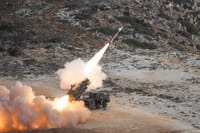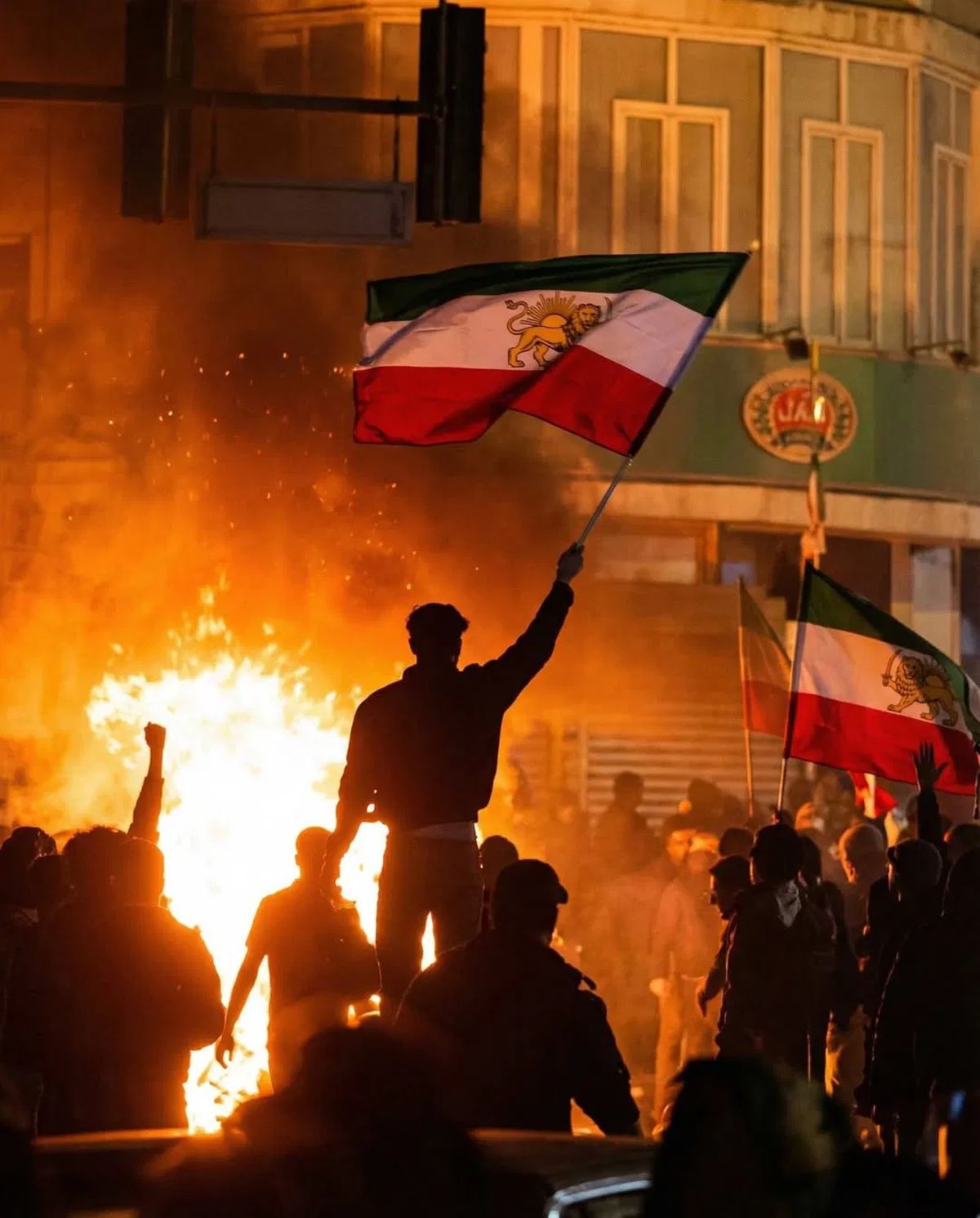
Inside the halls of power in Tehran and the underground networks of the Iranian opposition, a consensus is forming on exactly what it would take to bring down the Islamic Republic. A high-level Iranian source, well-versed in the nation’s security apparatus, recently revealed that the regime is far more vulnerable than it appears, but only under a very specific set of circumstances. The fall of the Ayatollahs, according to this source, requires a "two-pronged" approach: a coordinated military strike by foreign powers and a massive, simultaneous popular uprising. However, there is one technical hurdle that acts as the regime’s ultimate shield, the ability to kill the internet. As the Trump administration weighs its options, the focus has shifted from simple bombing runs to the strategic necessity of keeping the Iranian people connected to the world while the "beautiful armada" closes in.
The Formula for Regime Change
History has shown that neither sanctions nor internal protests have been enough to displace the current leadership in Tehran. The regime's security forces, particularly the IRGC and the Basij, are experts at domestic suppression. According to the internal source, "The disconnection from the internet paralyzes the public and allows the oppression." In every major wave of protest over the last two decades, the regime’s first move was to sever digital ties, preventing protesters from organizing and hiding the government's crimes from the international community. If the United States can provide satellite internet or bypass the regime's digital blackout, a military strike could serve as the catalyst for the people to take back their country. "If these two components happen together and in coordination, the regime may fall," the source added.
Tehran’s Defiant Gamble
From the regime’s perspective, the threat of an American strike is being met with a wall of defiance. Mehdi Mohammadi, an advisor to the Speaker of the Iranian Parliament, warned that "Iran’s calculations, no matter how much pressure is applied, will not change under pressure." He characterized any potential American action as a "real gamble" that would lead not to surrender, but to a "widespread war" and an "unprecedented counter-attack against the United States." Tehran is banking on the idea that the West is afraid of a long-term war, but internal reports suggest the leadership is terrified of the "With All Lavi" model, where a foreign strike creates a vacuum that the Iranian street is more than ready to fill.
As the Geneva talks approach, the regime is using everything in its arsenal, from technological jamming of satellite signals to public threats of total war, to prevent this "coordinated collapse." They know that if the American missiles hit while the Iranian people are still able to communicate and organize, the 1979 revolution may finally reach its end.