Regional escalation

Iranian Forces Strike Oil Tanker Skylight in Strait of Hormuz | WATCH

 The Palau-flagged oil tanker SKYLIGHT, which was targeted this morning near the Port of Khasab in Oman, had reportedly failed to comply with direct warnings from the Islamic Revolutionary Guard Corps (IRGC).

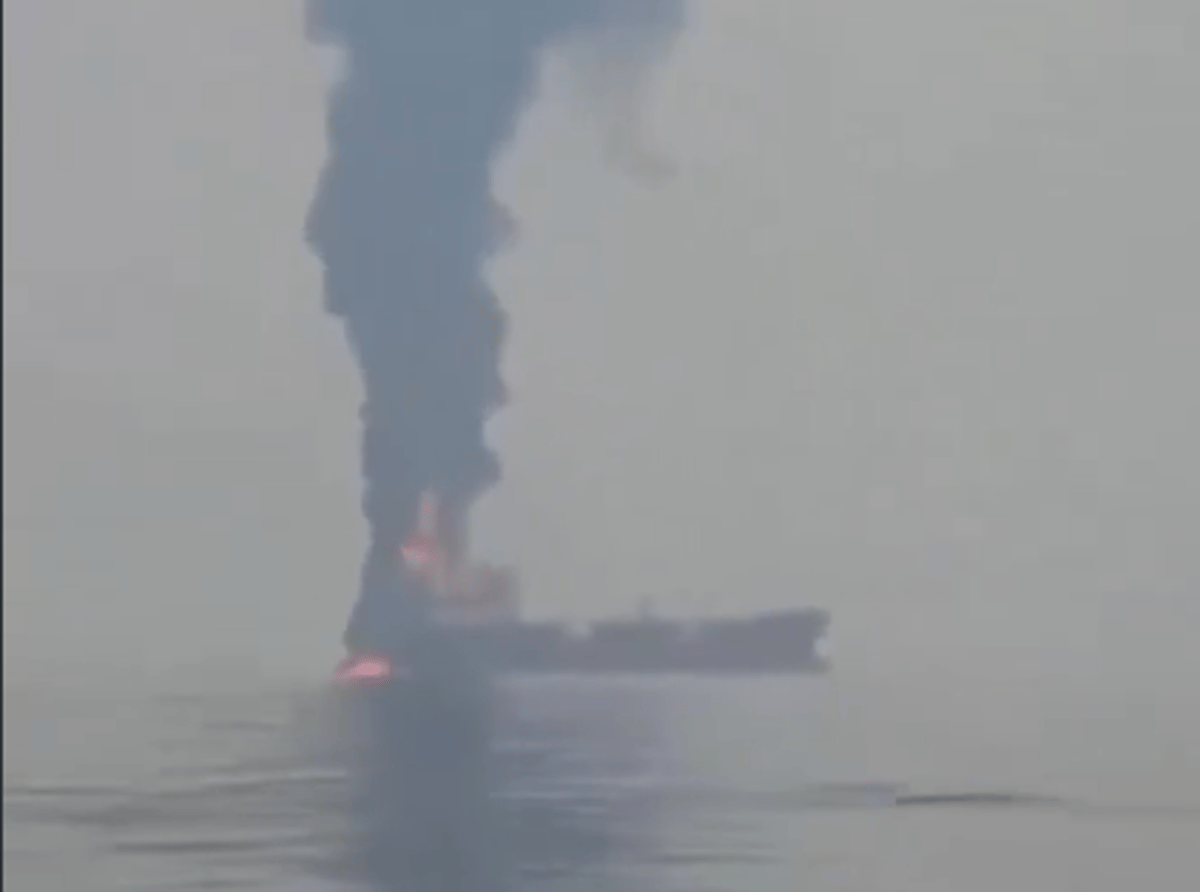
Skylight tanker on fire

An oil tanker named Skylight was attacked in the Strait of Hormuz near Oman's Musandam Governorate on Sunday, resulting in four injuries and the full evacuation of its crew, according to Omani authorities.

The incident occurred approximately 5 nautical miles (9 km) north of the port of Khasab, with Iranian state media claiming the vessel ignored repeated warnings not to transit the strait.

Ready for more?

This marks the first reported strike on a commercial vessel in the strait since Iran's declaration that the waterway is unsafe for navigation, effectively issuing a "no-pass" order to all ships.

The Palau-flagged Skylight, carrying a crew of 20—including 15 Indians and 5 Iranians—was targeted amid Iran's retaliatory strikes following the U.S.-Israeli airstrikes that killed Supreme Leader Ayatollah Ali Khamenei on February 28.

Oman's Maritime Security Centre confirmed the attack, noting that initial reports indicate varying injuries to four crew members, while the rest were safely evacuated.

The tanker was reportedly set on fire following the strike, raising concerns about potential oil spills and environmental damage in the busy waterway.

Iranian TV and state-linked outlets, including Tasnim, attributed the attack to the Islamic Revolutionary Guard Corps (IRGC), stating that the Skylight disregarded explicit orders prohibiting passage through the Strait of Hormuz.

Earlier warnings broadcast via VHF radio by the IRGC declared the strait closed to all traffic, with European naval missions like Aspides confirming that vessels received transmissions stating "no ship is allowed to pass the Strait of Hormuz."

This de facto blockade follows Iran's vow to respond aggressively to the strikes on Tehran, which have triggered widespread unrest and airspace closures across the Middle East.
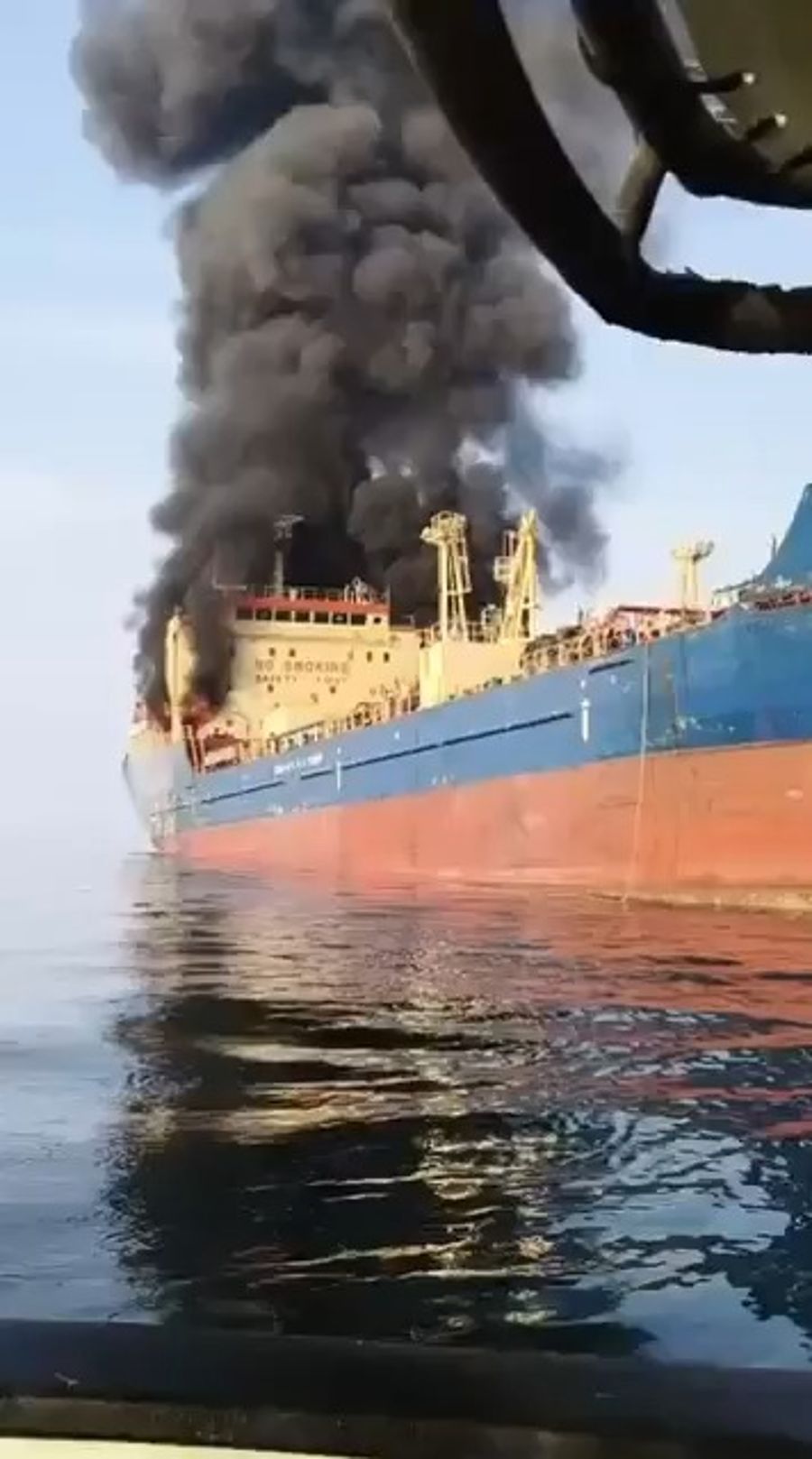
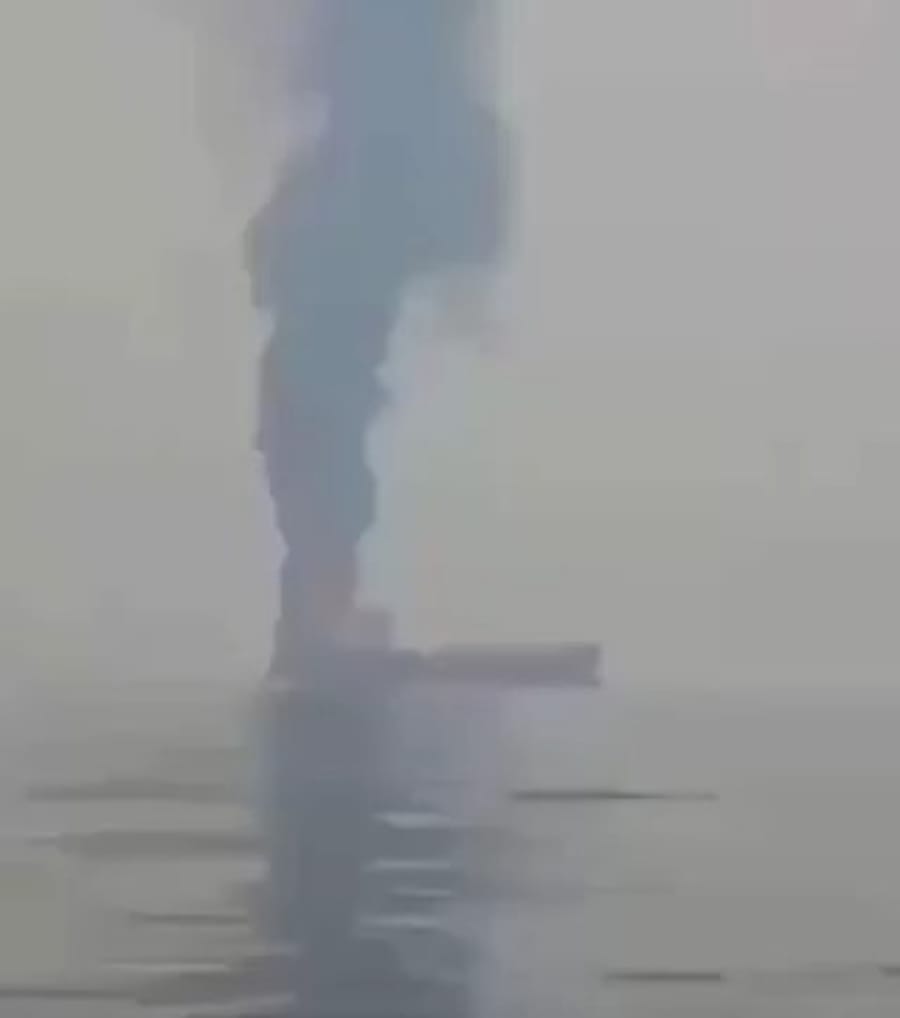
IRGC hits Skylight in Strait of Hormuz

The Strait of Hormuz, a critical chokepoint through which nearly 20% of global oil supplies pass, has become a focal point of the conflict, with Iran threatening to disrupt shipping lanes in retaliation for perceived aggressions.

Ready for more?

Omani officials have not specified the method of attack—whether missile, drone, or otherwise—but emphasized the incident's proximity to their territory, heightening fears of broader regional instability.

The Indian government has expressed concern over the 15 Indian nationals on board, monitoring their condition and coordinating with Omani and Iranian authorities for further details.

This event echoes previous IRGC actions in the strait, where tankers have been approached, seized, or harassed for allegedly ignoring orders, though this is the first confirmed strike in the current escalation.

In those cases, vessels were often accused of violations like smuggling or entering Iranian waters, leading to detentions under judicial orders.

Global markets reacted swiftly, with oil prices surging amid fears of supply disruptions, as the strait handles a significant portion of world oil trade.

U.S. and Israeli officials have condemned the attack, warning of further responses if maritime security is threatened, while calls for de-escalation mount from international leaders.

The situation remains tense, with ongoing explosions reported in Tehran and retaliatory actions expanding across the region. Further updates are expected as investigations continue.

Ready for more?

Join our newsletter to receive updates on new articles and exclusive content.

We respect your privacy and will never share your information.