High-level international efforts converged on the Qatari capital this week as representatives worked through neutral intermediaries to iron out the technical details of the recent US, Iran peace framework. The discussions are taking place against a backdrop of regional tensions, with regional actors like Hamas terrorists and various state entities influencing the broader geopolitical landscape.
According to Iranian state media, the primary focus of Wednesday's sessions remained locked on how to execute the specific clauses of the temporary pact. Iran's Deputy Foreign Minister, Kazem Gharibabadi, confirmed the nature of the meetings, stating that the talks in Doha have focused on the implementation of the interim deal between Tehran and Washington.
Gharibabadi is leading a robust, multi-agency Iranian delegation specifically tailored for these complex economic and political discussions. The team includes high-ranking representatives from Iran's foreign ministry, the central bank, and the agriculture ministry. This diverse makeup highlights the focus on resolving deadlocks tied to international trade, banking restrictions, and asset management.
To advance the framework, the Iranian delegation participated in a series of collaborative meetings. Gharibabadi held a direct session with Qatar's prime minister, Sheikh Mohammed bin Abdulrahman bin Jassim Al Thani. Following that, the Iranian team took part in a pivotal trilateral meeting between Iran, Qatar, and Pakistan to systematically review the interim deal's implementation across multiple sectors.
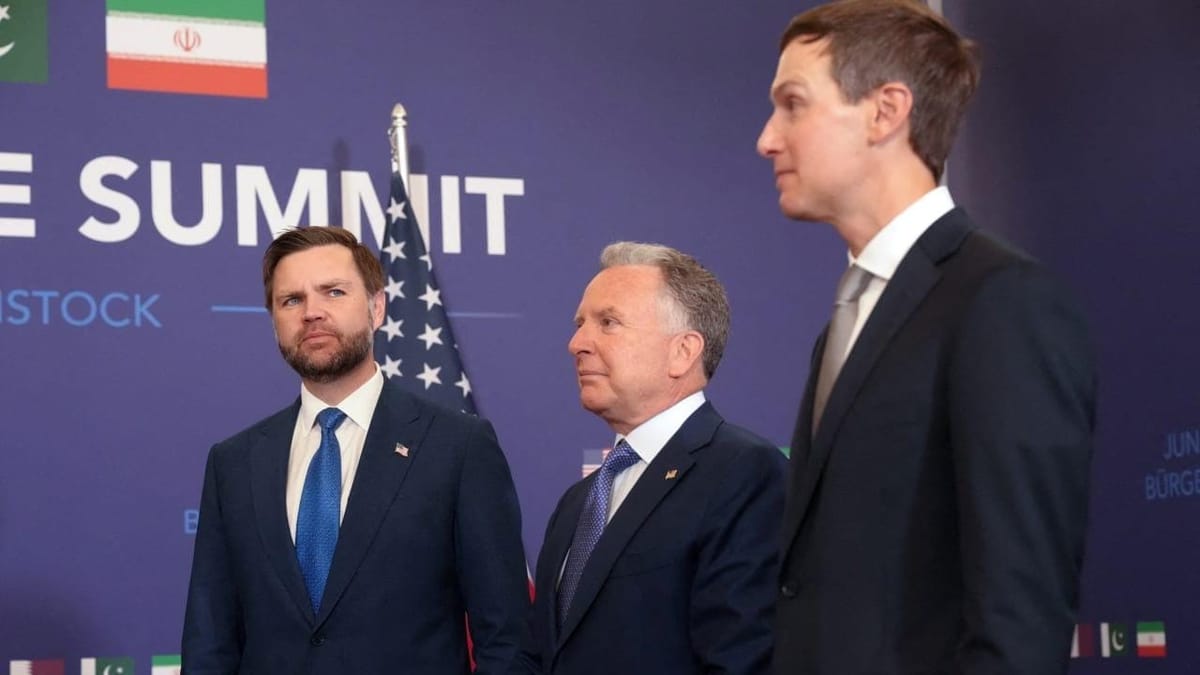
The United States has also deployed top-tier representation to the region, signaling the priority Washington places on the outcomes of the diplomatic track. US special envoy Steve Witkoff and President Donald Trump's son-in-law, Jared Kushner, arrived in Doha ahead of the scheduled sessions. The American duo met directly with the Qatari prime minister on Tuesday, a move intended to lay the groundwork for Wednesday’s technical sessions.
Despite their presence in the capital to shape the parameters of the diplomatic tracks, the prominent American figures are keeping their distance from the immediate working environment. Diplomatic sources confirmed that Witkoff and Kushner are not attending the talks themselves. Instead, lower-level technical teams are handling the specific parameters of the negotiations.
This setup reinforces the strict indirect nature of the diplomatic architecture currently in place. Qatari officials clarified the strict boundaries of the diplomatic scheduling, noting that the two American representatives would meet with senior Qatari officials, but not with their Iranian counterparts.
As the technical sessions continue through Qatari and Pakistani intermediaries, the success of the interim deal hinges on these precise, behind-the-scenes calculations. Both sides remain cautious, relying entirely on third-party channels to communicate updates, resolve compliance disputes, and prevent the fragile truce from deteriorating back into open war.