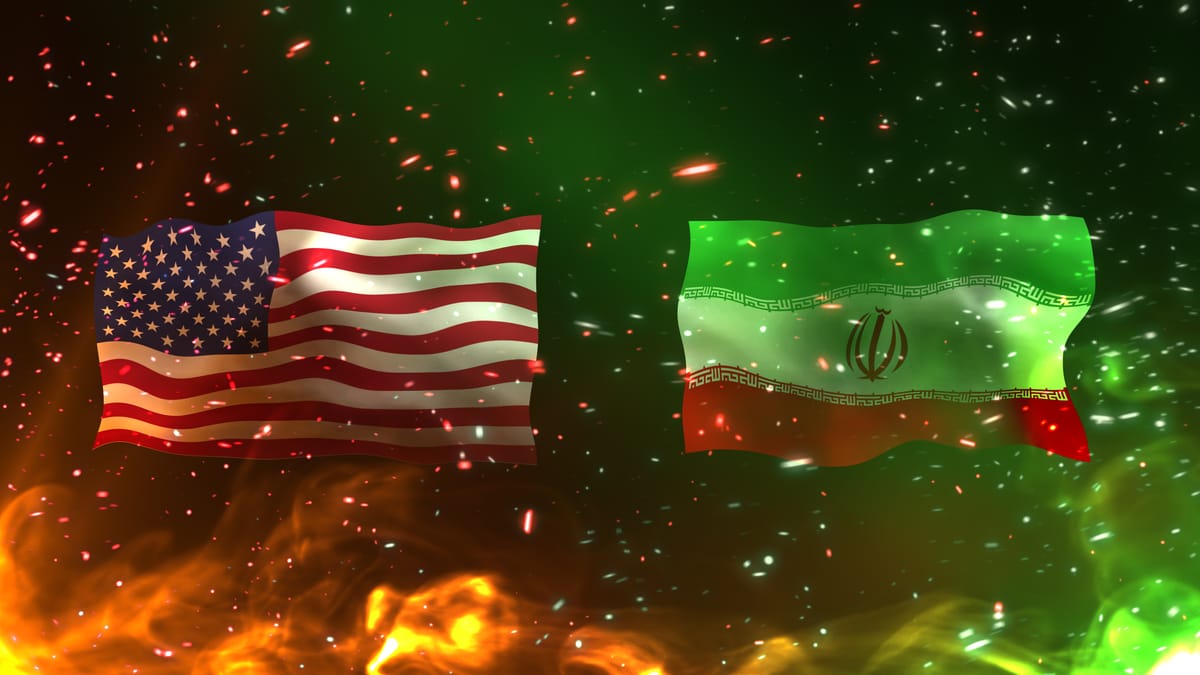
Iran has refused to send a delegation to planned negotiations in Pakistan, conditioning any resumption of talks on the immediate lifting of the US naval blockade imposed on its ports and shipping in the Strait of Hormuz.
Iranian state media, including Tasnim News Agency, reported that Tehran will not proceed with a second round of direct talks while the American blockade remains in effect. The move marks a significant setback for Pakistani-mediated diplomacy aimed at salvaging a fragile ceasefire that is set to expire in the coming days.
The development comes just days after the first round of high-level US-Iran negotiations collapsed in Islamabad following more than 20 hours of discussions. No agreement was reached on core issues, including Iran’s nuclear program, reopening the Strait of Hormuz, sanctions relief, and ending the broader conflict.
In response to the failed talks, President Donald Trump ordered the US Navy to enforce a blockade targeting all maritime traffic entering or exiting Iranian ports. US Central Command has confirmed the measure is actively in place, with vessels being turned back and Iran-linked shipping disrupted. Trump has described the blockade as pressure to force a deal, warning of further escalation—including strikes on Iranian power plants and infrastructure—if Tehran does not accept US terms. apnews.com
Iranian officials have denounced the blockade as “piracy,” a violation of the ceasefire, and an act of economic warfare. They insist that meaningful negotiations cannot occur under duress.
Pakistan, which has played a central mediating role, continues efforts to revive the process. Pakistani Army Chief Asim Munir recently visited Tehran to relay messages and narrow gaps between the sides. However, Iranian statements indicate no decision has been made to dispatch negotiators to Islamabad while the blockade persists.
President Trump stated on Sunday that US negotiators, potentially including senior officials, plan to travel to Pakistan as early as Monday for what he called a “last chance” opportunity. He expressed confidence in reaching a “fair and reasonable” agreement but reiterated strong warnings against Iranian intransigence.
The standoff has raised fresh concerns over global oil supplies, as the Strait of Hormuz, a critical chokepoint for roughly 20% of the world’s seaborne oil, remains a flashpoint. Shipping incidents, including vessels being turned back or fired upon, have already been reported in the area.
Both sides continue to accuse each other of bad faith and ceasefire violations, with the clock ticking toward the ceasefire’s potential expiration. Regional diplomats warn that without a breakthrough, the risk of renewed military escalation remains high.