
Extraordinary video footage released this week provides stark evidence of the chaos spreading through Iran's security apparatus following Israel's relentless military campaign against the country's law enforcement and paramilitary forces. Opposition-aligned media outlets report that armed gunmen fired on a moving vehicle targeting Basij militia members, with footage showing shooters cutting loose from a car window as they pass through a checkpoint, unflinching and undeterred.
Devastating Campaign
Israel's Sustained Pounding of Iran Security Forces Leaves Basij Scrambling
The Basij are the worst of the worst in Iran. Known for shocking cruelty against ordinary citizens, they are finally getting what they deserve.
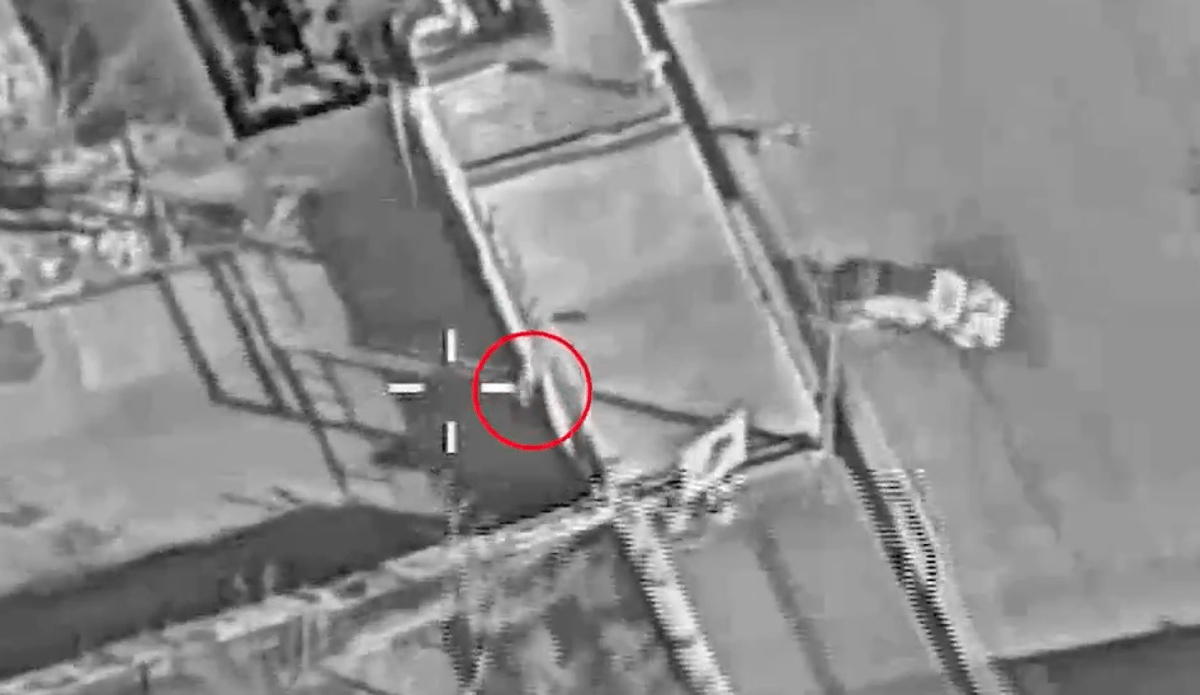
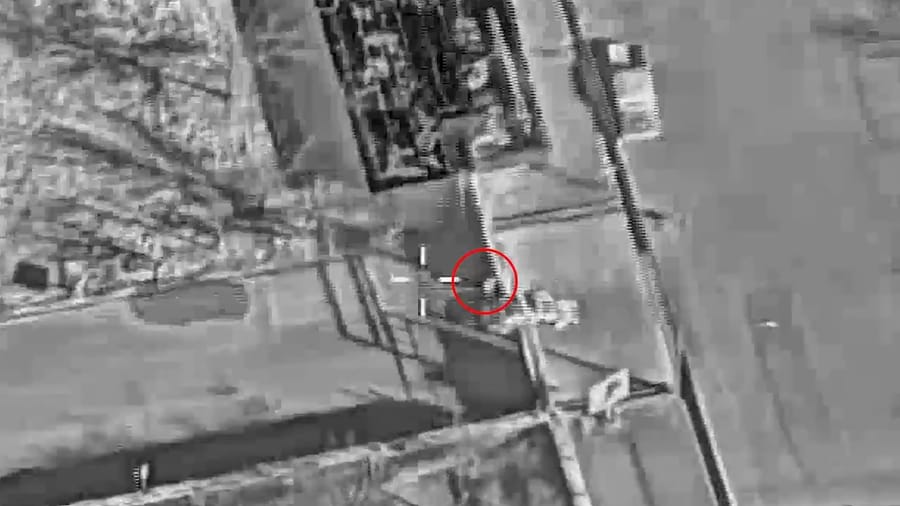
The clip arrives at a moment of maximum vulnerability for Iran's security establishment. According to reporting in the Wall Street Journal, Israel has unleashed a grinding air and drone assault designed to methodically dismantle Iran's defense apparatus from the top down. The campaign targets everything from command centers and assembly points to hideouts and underground positions, including structures beneath bridges.
The numbers are staggering. Israel has rained approximately 10,000 munitions on thousands of sites, with over 2,200 strikes aimed specifically at Revolutionary Guard facilities, Basij units, and internal security forces. Israeli military assessment indicates that thousands of Iranian security personnel have been killed or wounded in the bombardment.
The toll extends beyond body counts. Morale among Iran's security ranks has cratered visibly. Some personnel have resorted to sleeping in vehicles, mosques, and sports facilities. Others have simply vanished into residential buildings, a shift that has prompted ordinary citizens to flee their homes out of fear that these occupied structures will become targets. Simultaneously, Israeli intelligence operatives have launched a psychological warfare effort, contacting Iranian commanders directly to threaten them and their families, demanding they refrain from attacking civilians.
The strikes have broadened to encompass police infrastructure—warehouses, equipment, vehicles, and motorcycles used to suppress demonstrations. In one concentrated wave, dozens of sites across Ilam Province, a sensitive region with a substantial Kurdish population, came under fire. Israeli drones have subsequently operated over Tehran and surrounding areas, systematically hitting checkpoints and inspection points. Some strikes were reportedly executed using intelligence provided by ordinary residents on the ground. Attackers have targeted outposts along major roads, central squares, and traffic arteries throughout populated areas.
Residents of Tehran describe a security force in disarray. Officers move furtively between civilian buildings, erecting temporary checkpoints and sometimes sheltering beneath overpasses. Police have solicited lodging in apartment buildings. Meanwhile, basic law enforcement functions have begun to collapse: criminal investigations have halted, police stations remain inactive, and business owners have received orders to close early given the pervasive sense of insecurity.
The sustained campaign represents one of the most intensive efforts in recent years to degrade an adversary's capacity to function through conventional military means alone. Iran's official channels have remained silent on the attacks, offering no public assessment of damage or response strategy.
IDF strikes the Basij in Iran, March 2026| צילום: Video: IDF Spokesperson