Even as the United States moves toward a long-term ceasefire agreement with Iran, Israel's military establishment is quietly positioning itself for the possibility that diplomatic efforts could collapse—and preparing for a wide-scale strike on Iranian territory if they do.
The IDF Chief of Staff, Lieutenant General Eyal Zamir, has ordered all military branches to maintain maximum readiness and improve strategic positioning for potential escalation, according to Israeli defense officials. The directive underscores a fundamental tension between Washington's diplomatic track and Tel Aviv's military calculations: while American negotiators work to de-escalate tensions with Tehran, Israeli planners are hedging against the possibility that ceasefire talks could unravel.
The orders carry particular weight as thousands of U.S. military personnel and technical staff remain deployed across Israel. American air defense batteries and aircraft maintenance crews are embedded throughout the country, their presence both a symbol of U.S. commitment to Israel's security and a logistical complication as both nations navigate the uncertain weeks ahead.
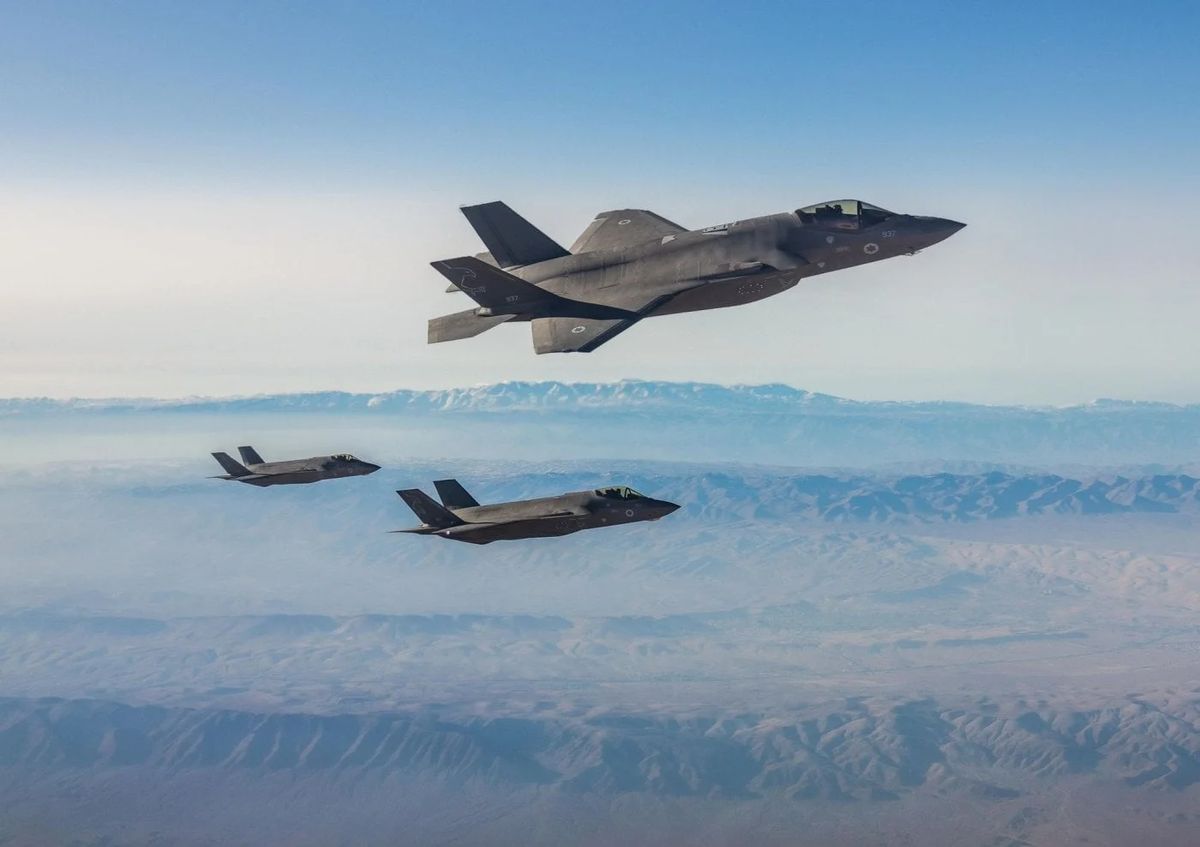
The Air Force has been placed on what the military calls "immediate launch status," with fighter squadrons ordered to enable transitions from standby to active operations within exceptionally short warning times. The scenarios currently preoccupying Israeli military commanders range from renewed high-intensity conflict with Hezbollah in the north to the execution of a potential operation against Iran itself.
Adding to the strategic friction is an ongoing dispute over American military infrastructure. U.S. Central Command has stationed aerial refueling aircraft at Ben Gurion International Airport, causing severe disruptions to Israel's primary civilian aviation hub. Israeli officials are pushing to relocate the American fleet to alternative military bases, according to Amir Bohbot, a military correspondent for Walla! News, but negotiations remain contentious.
A senior Israeli military official, speaking on the condition of anonymity, acknowledged the precariousness of the moment: "The situation is still fragile. No one can give a hundred percent guarantee that the diplomatic process won't collapse along the way."