
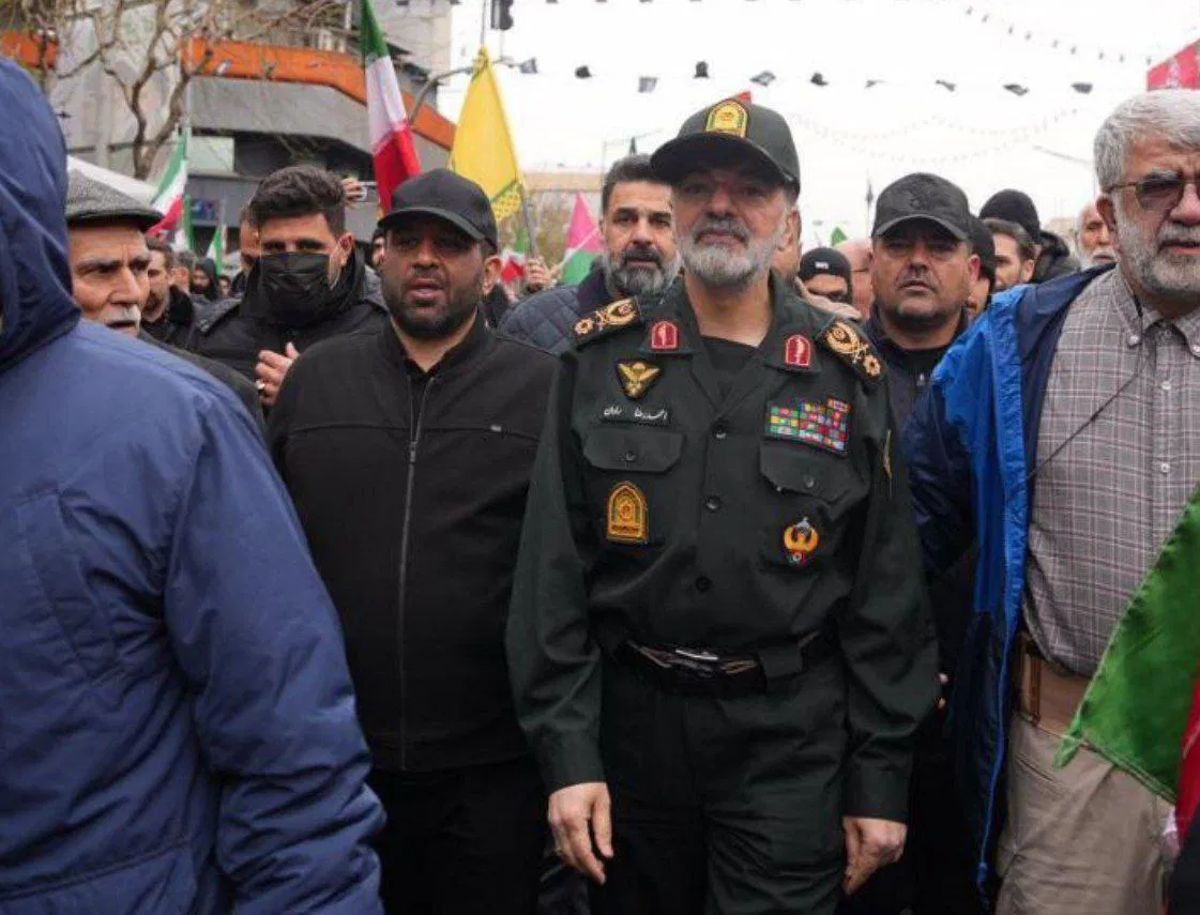
Israel has expanded its campaign against Iran to include direct psychological pressure on members of the country’s security leadership, according to a report detailing outreach to individual commanders.
Israeli operatives have reportedly contacted Iranian security officials by phone, warning them against acting against potential internal unrest and signaling that they are being closely monitored. The effort is described as part of a broader strategy to weaken Iran’s internal security apparatus alongside ongoing military strikes.
In one recorded exchange cited in the report, an operative identified as being from Israeli intelligence told a senior Iranian police commander: “We know everything about you. You are on our blacklist.” The caller warned that failure to side with the public in the event of unrest could result in consequences similar to those faced by senior Iranian leaders targeted in recent strikes.
The commander reportedly responded with distress, denying he was an enemy and expressing concern for his safety.
The reported calls come as the United States and Israel continue a sustained campaign targeting Iran’s military leadership, infrastructure and internal security forces. Officials have said the objective is not only to degrade operational capabilities but also to increase pressure within the system.
Recent weeks have seen significant losses among Iran’s security forces, while some units have been forced to operate under more constrained conditions following repeated strikes.
Officials have indicated that sustained military and intelligence pressure could create conditions for internal instability, including reduced cohesion within security forces if unrest emerges.
The reported outreach suggests that effort now includes direct engagement with individuals in positions of authority, aimed at influencing their decisions in a potential future crisis.