Organizations like the ADL and the American Jewish Committee (AJC) have argued that failing to name the Jewish victims effectively ignores the unique, industrialized nature of the Final Solution, which specifically targeted the Jewish people for total annihilation.
The backlash is intensified by the memory of Vance's February 2025 speech in Munich, where he visited the Dachau concentration camp but then urged European leaders to drop their "firewall" against far-right parties like Germany’s AfD, some of whose members have been accused of downplaying the Holocaust.
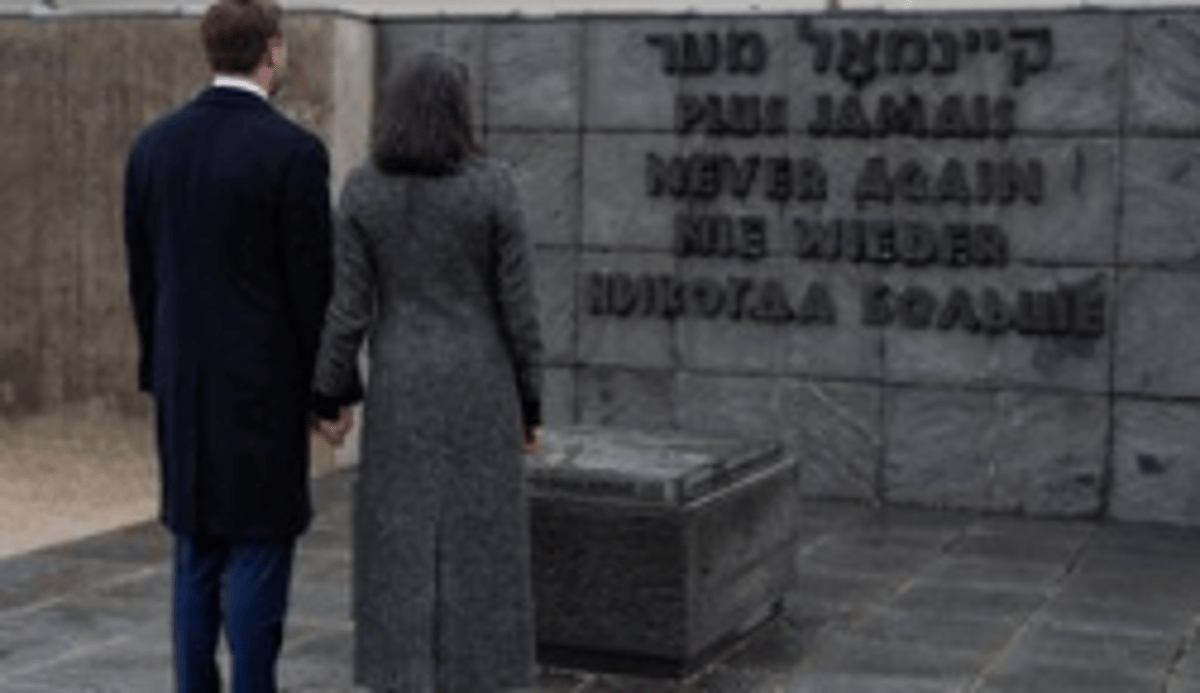
The administration has pushed back against the "trouble," with spokespeople emphasizing that the Vice President’s message was intended to be "inclusive" and "focused on the universal lessons of human depravity." They pointed to his February 2025 visit to Dachau with a survivor as evidence of his deep respect for the history.
This isn't just a debate over semantics; it's a major political problem for Vance for three reasons:
- Diplomatic Friction: German and Israeli officials have expressed "dismay" at the phrasing, seeing it as a departure from decades of US diplomatic consensus.
- Internal GOP Divide: While some MAGA supporters see the "universal" approach as a pushback against "identity politics," more traditional conservative allies are worried it alienates the Jewish voting base.
- The "Nick Fuentes" Factor: Critics are linking this omission to Vance’s previous refusal to forcefully denounce figures like Nick Fuentes or Tucker Carlson’s interview with "revisionist" historians, claiming it’s part of a broader pattern.