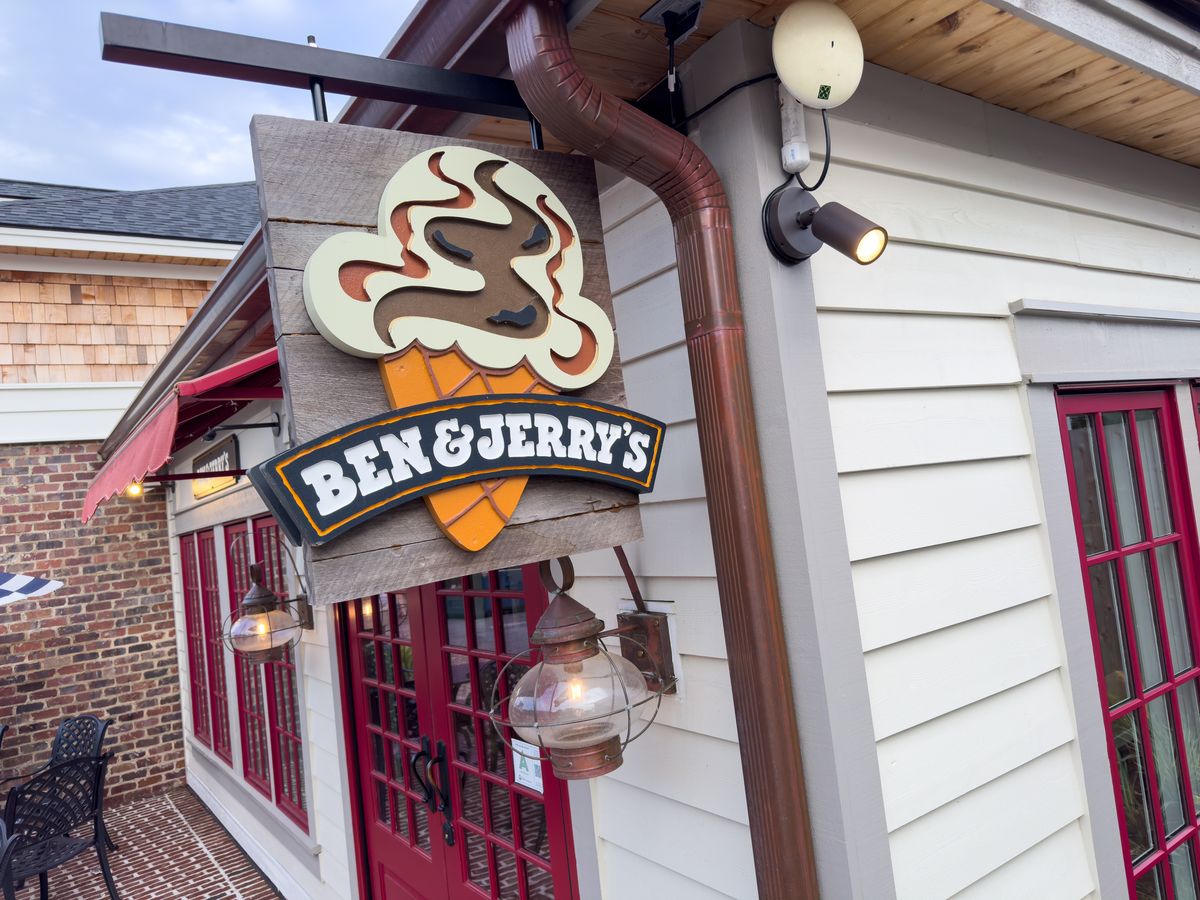
Ben & Jerry's, founded in a repurposed gas station in 1978 by childhood friends Cohen and Greenfield, built a global empire on more than just Chunky Monkey and Cherry Garcia. The company became synonymous with corporate social responsibility, donating a portion of profits to causes like Black Lives Matter, LGBTQ+ rights, and Palestinian rights, most notably in 2021 when it called for an end to Israeli settlements in "occupied territories", prompting backlash from some U.S. politicians and states.
That 2021 stance led to lawsuits and divestment threats, with Unilever eventually selling the brand's Israel business to a local licensee amid the controversy. Tensions escalated further this year, with Cohen accusing Unilever of blocking recent statements on Gaza and other global crises, including a planned flavor release tied to peace advocacy.
Greenfield's exit, described by Cohen as "difficult" but necessary, points to the founders' frustration with what they see as a betrayal of the 2000 acquisition terms. Those terms granted Ben & Jerry's an independent board to oversee its social mission, but the founders have claimed Unilever has increasingly overridden decisions, especially post-2021. In his resignation letter, shared by Cohen, Greenfield reflected: "We started this with a scoop and a dream of making the world a little better. I can't stay silent while that dream is iced over."
Unilever, which owns a portfolio of over 400 brands including Magnum, Dove, and Lipton, has not immediately responded to requests for comment on Greenfield's departure. However, in a statement to Reuters earlier this year amid the #FreeBenAndJerrys push, a Unilever spokesperson emphasized the company's commitment to the brand's values while noting operational necessities in a "complex global environment." Shares of Unilever dipped 0.74% in early trading Wednesday, though analysts attribute the movement more to broader market trends than the resignation.
The announcement has ignited a firestorm on social media, with the #FreeBenAndJerrys hashtag trending globally within hours. Supporters, including activists and celebrities, have rallied behind the founders, calling for a boycott of Unilever products until the company relinquishes control. Claudia Webbe, former UK MP and Palestinian rights advocate, posted: "Jerry... has resigned in protest over attempts to prevent them from standing up for peace, justice, and human rights. Free Ben and Jerrys."
Other reactions poured in, blending heartbreak with calls to action. "This is terrible, but right. Thank you, Jerry," wrote one user, while another lamented: "Every time I think this world can’t get worse, we hit a new low." Cohen's original post, featuring a photo of the duo in their early days, has garnered over 21,000 likes and 3,000 reposts, amplifying the campaign's website (freebenandjerrys.com) where fans can sign petitions and share stories.
Critics of the move, though fewer in number, argue the founders' activism has alienated customers and complicated Unilever's global operations. One X user quipped: "Ben & Jerry's went from ice cream to international politics, maybe it's time to chill." Still, the overwhelming sentiment echoes Cohen's plea: a socially conscious company over corporate conformity.
Greenfield's departure leaves Cohen as the sole active founder, though he too has distanced himself from day-to-day operations. The independent board remains, but its influence is reportedly waning. Unilever has rejected buyout offers for the brand valued between $1.5 billion and $2.5 billion, per recent reports, signaling no easy exit.