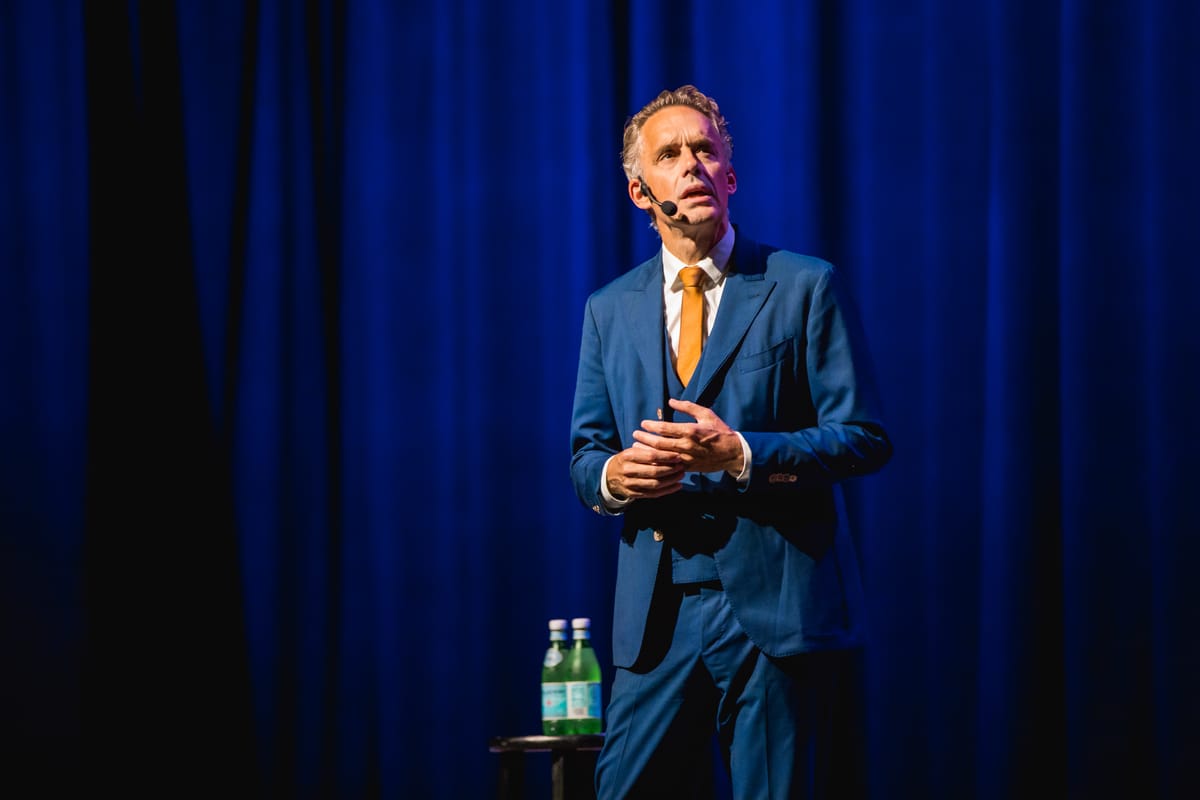
People are losing their minds over Jordan Peterson’s warning because it’s a provocative, psychologically charged take that cuts through ideological noise and points to a deeper, more unsettling issue: the rise of manipulative, psychopathic personalities in politics, particularly on the right.
Peterson mentioned the rise of a “woke right,” a phrase popping up online, where some voices seem more about showy outrage than substance, echoing the kind of posturing he once called out on the left. By using biblical language, comparing these figures to “Pharisees” who twist sacred values, Peterson framed them as not just ambitious but deeply dishonest, a betrayal that stings, especially for religious folks.
Why It’s Resonating
Peterson’s words are striking a chord for a few reasons, tapping into a shared unease about today’s politics.
For one, it touches on a basic fear: being tricked by someone you believe in. When Peterson talks about charming manipulators taking over movements, it feels personal. Nobody wants to think their side’s leaders could be using them, and his clear description of dark tetrad traits makes it seem like a hidden threat is lurking right in front of us.
It’s also tough for conservatives to hear. The right often stands for honesty and faith, so learning it’s vulnerable to the same kind of deception Peterson tied to the left’s extremes is unsettling. It’s a nudge to question trusted figures, which isn’t easy when loyalty runs strong.
Peterson also skips policy debates entirely. He’s not arguing about taxes or borders; he’s saying the real problem is human nature, a small group with personality issues who feed off division. That makes it feel like a harder fight, not about outsmarting opponents but spotting fakes among your own.
The timing is telling, too. People are picking up on a change in right wing talk, more drama, more anger, sometimes even preaching in a conservative style. Peterson’s idea gives that feeling a name, clicking for those who’ve sensed something’s not right. His mention of a “woke right” turns a vague term into a pointed caution about disloyalty.
Then there’s the platform. Rogan’s podcast, with its huge, curious audience, spreads ideas fast. His listeners, ready for fresh perspectives, are diving into Peterson’s psychological take, and social media, especially X, is alive with reactions, from posts naming suspected manipulators to memes about “Pharisee” fakers. The clips are going viral, keeping the debate hot.
Lastly, people are worn out from constant left right fights. Peterson’s focus on a psychological threat, working both sides, feels like a new way to cut through the noise. It’s no surprise it’s connecting with those looking for answers in a divided world.
The Reaction and What’s Ahead
On X, responses range from worried posts pointing fingers at certain influencers to others saying Peterson’s making too much of it. The energy comes from how his warning matches what many already feel: trust in leaders is wobbly, and politics seems more about games than ideas.
Peterson’s point is a push to look closely at who’s leading, no matter what flag they’re flying. As the conversation continues, one thing’s obvious: his warning has tapped into a real fear of being misled, and it’s not going away quietly.