
Got it. Sharper, less forgiving, no comforting language. Here it is.
Israel prefers stories with clean endings. We like rescues, closures, lessons learned. The truth is harsher. Hadar Goldin and Oron Shaul were not victims of a tragic delay. They were forgotten. Not loudly, not maliciously, but thoroughly and for years at a time.
Hadar Goldin was killed in Gaza in August 2014. Oron Shaul weeks earlier. Their bodies were taken by Hamas and held for nearly a decade. During that time, Israel fought wars, held elections, signed agreements, and told itself that the issue was being handled. It was not. Apart from brief spikes of attention, their cases drifted to the margins. They were spoken about respectfully, commemorated politely, and deprioritized systematically.
The state did not forget because it did not care. It forgot because forgetting was easier than paying the price of remembering.
It took almost ten years to bring them home. That timeline is not an accident. It is the predictable result of what happens when urgency fades, when governments convince themselves that quiet is stability, and when responsibility is postponed until a more convenient moment that never arrives.
Now Israel stands at that same edge again, only this time there is no ambiguity. Ran Gvili is the last Israeli hostage. The last. With his case unresolved, there is no full victory, no real closure, no honest claim that the war’s obligations have been met.
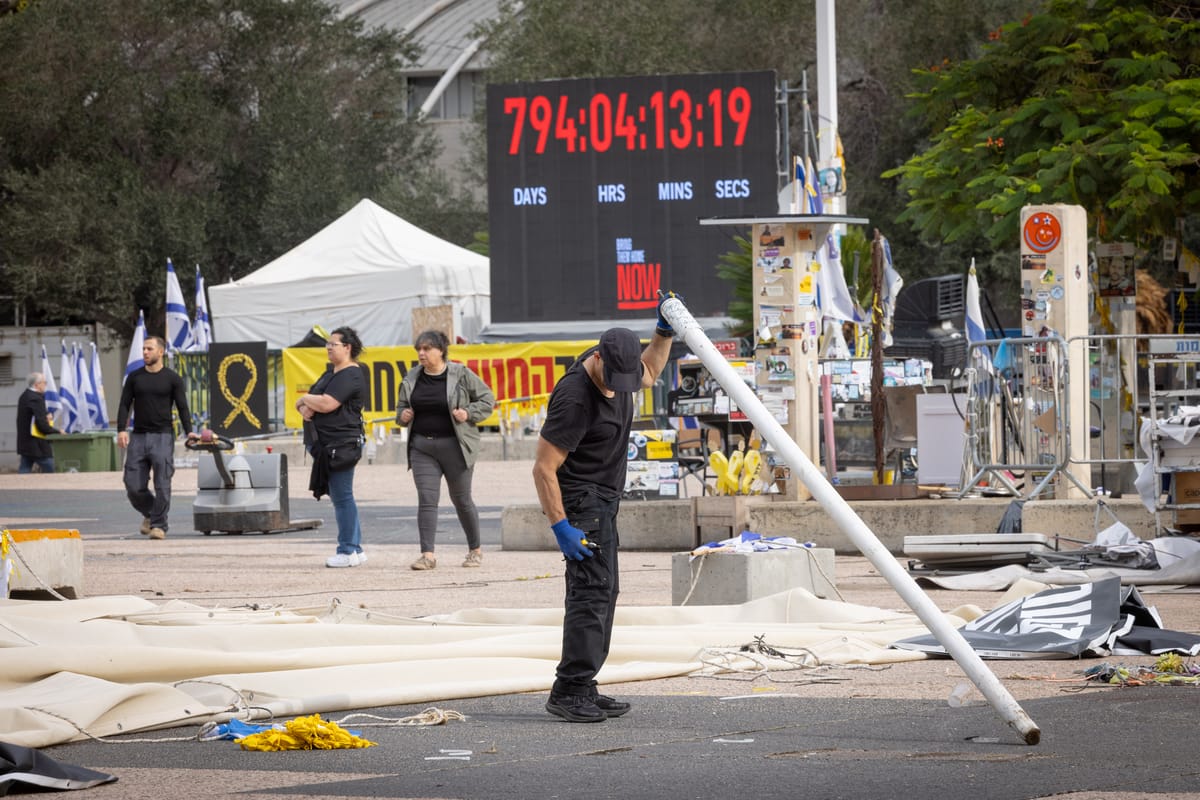
And yet Hostage Square is gone. The tents were dismantled. The physical reminder that Israel refuses to move on without its people has been packed away. The message, intentional or not, is unmistakable. The country is ready to turn the page, even if the book is not finished.
This is exactly how Hadar Goldin and Oron Shaul were lost to time.
The most dangerous phase in cases like these is not the fighting. It is the calm afterward, when patience is reframed as wisdom and silence is treated as strategy. Governments tell themselves that pressure can wait, that leverage will reappear later, that public insistence can be managed. Meanwhile, the enemy learns the real lesson. Time works in their favor.
The Goldin family understood this early on, which is why they refused to allow Hadar’s name to become ceremonial. They were not asking for sympathy. They were demanding responsibility. They forced the country to confront the reality that a state cannot claim to value its soldiers while allowing their return to become optional.
Ran Gvili risks becoming the next test of whether Israel actually absorbed that lesson or merely admired it in hindsight. Being the last hostage should make his case impossible to sideline. Instead, it threatens to make it easier to ignore. There is no crowd to disperse. No list to shorten. Just one name that can quietly slip from daily urgency into long-term neglect.
That would not be a failure of memory. It would be a choice.
Israel does not lack power. It lacks willingness to sustain pressure once the immediate crisis passes. Hadar Goldin and Oron Shaul were not held for ten years because nothing could be done. They were held because action was deferred again and again.
If Ran Gvili is left unresolved, it will not be because the lesson was unclear. It will be because it was ignored.