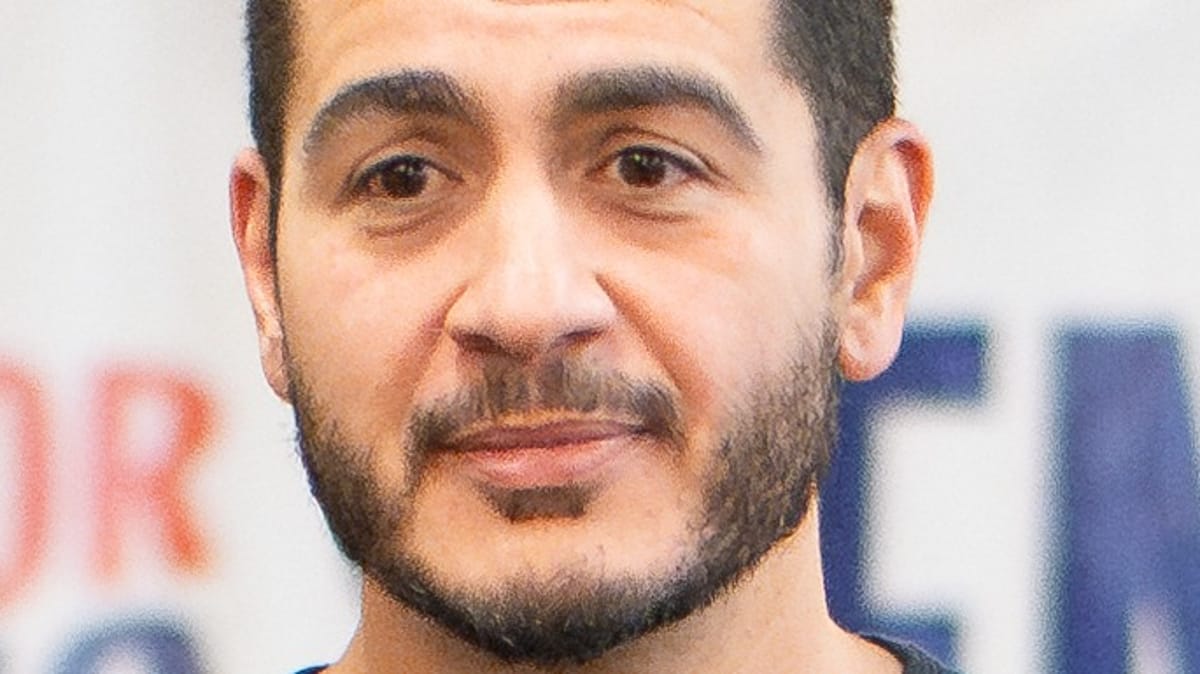
Abdul El-Sayed won the Democratic Senate primary in Michigan, NBC News projected Tuesday evening, defeating moderate Representative Haley Stevens in a closely watched race that will reverberate across Democratic politics and U.S.-Israel relations heading into the 2026 midterm elections.
Stevens, a more moderate Democrat, and El-Sayed, a former public health official who has run an anti-establishment, progressive campaign, were vying for the seat Democratic Senator Gary Peters will vacate at the end of this Congress. The winner will face a sprint to the general election against unopposed Republican former Rep. Mike Rogers.
Progressive Endorsements and Israel Policy
El-Sayed's victory in the August 4 primary was powered by support from the Democratic Party's progressive wing. El-Sayed received endorsements from U.S. Senator Bernie Sanders, U.S. Representatives Pramila Jayapal, Ro Khanna, and Rashida Tlaib.
The race became a focal point for debate over U.S. support for Israel's Gaza operations. At a recent campaign stop, El-Sayed said: "If you believe like me that rather than fund the genocide perpetrated by a foreign government, we better build schools right here in Grand Rapids, then we better put ourselves in democracy." His language framing U.S. military aid to Israel as subsidizing "genocide" positioned him sharply against the Biden-Harris administration's continued support for Israeli operations.
Establishment Support for Stevens
Stevens attempted to consolidate establishment Democratic backing, framing El-Sayed as a risky general-election candidate. Stevens cast El-Sayed as an extremist and as the GOP's preferred candidate in the general election, arguing that a moderate was more likely to defeat Republican Mike Rogers in a battleground state.
Outside spending also favored Stevens. According to reports, AIPAC-aligned groups and pro-Israel organizations funneled significant resources into the race supporting the moderate candidate, reflecting broader concern among Israel-advocacy groups about progressive gains in Democratic primaries.
Symbolic Significance
The race result could help decide control of the Senate for the next Congress and influence the direction of the Democratic Party in the coming years. El-Sayed's victory follows recent progressive upsets in New York and Colorado, suggesting a sustained leftward shift within Democratic ranks on Middle East policy and opposition to traditional pro-Israel positions.
In Democratic conversations, the debate over special interest money has been felt most sharply in discussions around AIPAC, with progressive candidates charging that pro-Israel donor networks distort primary races and Democratic platform positions.
Arab-American Voting Bloc
El-Sayed, who is Egyptian American, won more than three-quarters of the vote in Dearborn, Michigan's heavily Arab-American city. The concentration of votes among Arab-American voters signals the significance of Gaza policy in mobilizing this Democratic constituency—a group that has increasingly moved away from the party on Israel-Palestine questions.