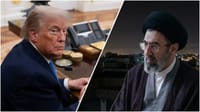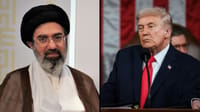
The U.S.-Iran deal has not yet been formally signed, and Netanyahu may still hold the power to bring it down, but the window is narrow and the risks are enormous, according to an analysis published Monday by Kikar HaShabbat.
The agreement between Washington and Tehran has not been finalized. Iran's foreign minister warned after Israel's Sunday strike on Dahiyeh that if the U.S. "lacks the will and ability to fulfill its commitments, speaking of continuing the path is not possible." The deal is hanging by a thread.
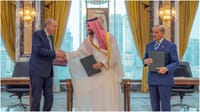
The first world leader to announce the agreement had been reached was Pakistani Prime Minister Shahbaz Sharif, a close Iranian ally, who emphasized that Lebanon is included in the framework, a core Iranian demand that the United States appears to have accepted.
Israel was not party to the negotiations, and Israeli officials have said publicly that Israel does not consider itself bound by the Lebanon provisions. Netanyahu reportedly told Trump directly on a phone call that Israel would continue to defend itself against Hezbollah regardless of the deal's terms, though he is expected to avoid further strikes on Beirut following Trump's furious reaction to Sunday's Dahiyeh strike.
Trump condemned the Dahiyeh strike on Truth Social Sunday, writing: "This morning's attack on Beirut should not have happened, particularly on a special day when we are so close to a Peace Deal with Iran." He added: "There should be no more attacks by Israel anywhere in Lebanon, but there should also be no more attacks by any other party, including Hezbollah, against Israel. This could be the beginning of a long and beautiful peace — Let's not blow it!"
Under the terms of the deal as reported, the U.S. conceded on every major point: immediate unfreezing of tens of billions in Iranian assets, lifting of oil sanctions, a $300 billion reconstruction fund, enrichment permitted on Iranian soil, and no reference whatsoever to Iran's ballistic missile program or its regional proxy network.
Israel now faces a stark decision in the coming days: whether to continue operations in Lebanon against active Hezbollah threats, knowing that any significant strike could trigger an angry call from Tehran to Washington, and an angrier call from Washington to Jerusalem, potentially collapsing the deal entirely and triggering a diplomatic crisis with the United States unlike any Israel has faced before.
"It is not clear what Israel is and is not permitted to do under the framework," Israeli officials told reporters Monday.
Nothing is final until the signing in Switzerland. And only Netanyahu will decide whether to fold before Tehran's emissary in Washington, the President of the United States.