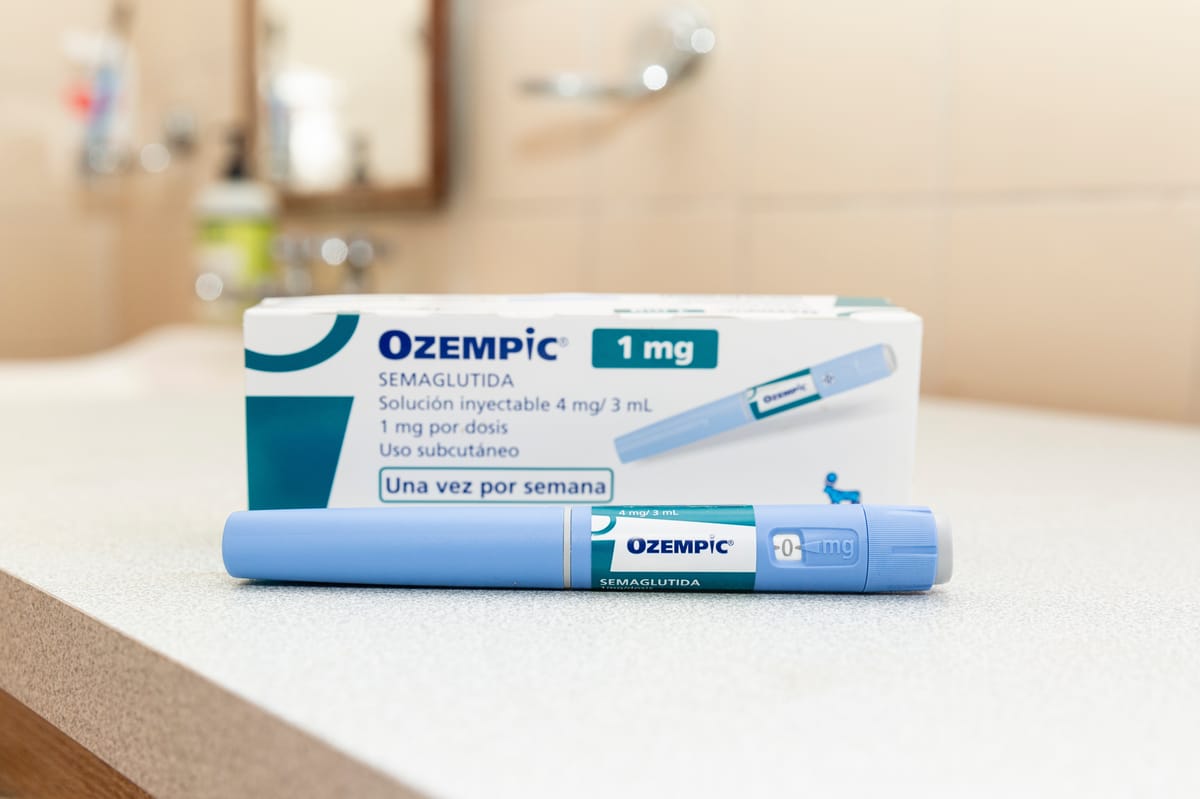
Novo Nordisk A/S, the Danish pharmaceutical powerhouse behind blockbuster drugs Ozempic and Wegovy, suffered a sharp stock sell-off today (Monday) after announcing that its key ingredient, semaglutide, failed to deliver in two pivotal late-stage trials for Alzheimer's disease.
The results dash hopes for expanding the drug's reach beyond obesity and diabetes, leaving the company vulnerable in an increasingly cutthroat market.In a statement released early Monday, Novo Nordisk confirmed that the oral form of semaglutide, administered daily in the EVOKE and EVOKE+ phase 3 trials, did not show a statistically significant benefit in slowing cognitive decline compared to placebo.
The studies, involving over 3,700 patients with early Alzheimer's, aimed for at least a 20% reduction in progression but fell short, with no meaningful improvements in daily functioning or biomarkers.
Company executives had previously tempered expectations, labeling the Alzheimer's push a "long-shot lottery ticket" given the drug's primary role as a GLP-1 receptor agonist for metabolic conditions.
The fallout was swift: Novo's shares tumbled as much as 12% in premarket trading on the Copenhagen Stock Exchange, hitting a four-year low and wiping out billions in market value.
By midday, the stock was down about 9.2%, reflecting investor disappointment over the lost opportunity to tap into the lucrative Alzheimer's market, estimated at over $15 billion annually amid an aging global population.This setback compounds a challenging year for Novo Nordisk, which has grappled with intensifying competition from U.S. rival Eli Lilly & Co. Lilly's tirzepatide (sold as Mounjaro for diabetes and Zepbound for weight loss) has surged ahead in the obesity space, propelling the company to become the first pharma firm to reach a $1 trillion valuation earlier in 2025.
Novo, once the undisputed leader in GLP-1 drugs, has seen its market share erode amid supply chain hiccups and patent battles.
Adding to the turbulence: A high-profile leadership overhaul in mid-2025, including the abrupt departure of CEO Lars Fruergaard Jørgensen amid strategic missteps; widespread layoffs affecting thousands in R&D and manufacturing; and a stinging defeat in a bidding war for obesity-focused startup Metsera, which Lilly snapped up for $2.5 billion.
Analysts at firms like Jefferies and Barclays have dubbed the Alzheimer's flop "a nail in the coffin" for Novo's diversification efforts, warning that the company is now "overly reliant on a saturated GLP-1 arena where margins are thinning and generics loom."
Semaglutide's exploration for Alzheimer's stemmed from preclinical data suggesting GLP-1 agonists could reduce brain inflammation and protect neurons, benefits observed in diabetes patients with lower dementia risks. However, experts reacting to the news emphasized the trials' rigorous design but inherent risks. "These were well-conducted studies, but Alzheimer's remains a tough nut to crack," said Dr. Tara Spires-Jones, a neuroscientist at the University of Edinburgh, in a statement to the Science Media Centre.
Novo Nordisk isn't abandoning innovation entirely; it continues trials for semaglutide in other areas like heart failure and non-alcoholic steatohepatitis (NASH). But with Alzheimer's off the table, the firm must double down on defending its core franchise against Lilly and emerging players like Viking Therapeutics and Roche. CEO designate Martin Holst Lange, set to take the helm in 2026, faces mounting pressure to steer the ship amid whispers of activist investor scrutiny.
For patients awaiting Alzheimer's breakthroughs, it's another disappointment in a field littered with failures, though ongoing research into amyloid-targeting therapies from Biogen and Eisai offers glimmers of hope. Investors, meanwhile, will watch closely for Novo's Q4 earnings call next month, where executives are expected to outline a path forward in this post-Alzheimer's reality.