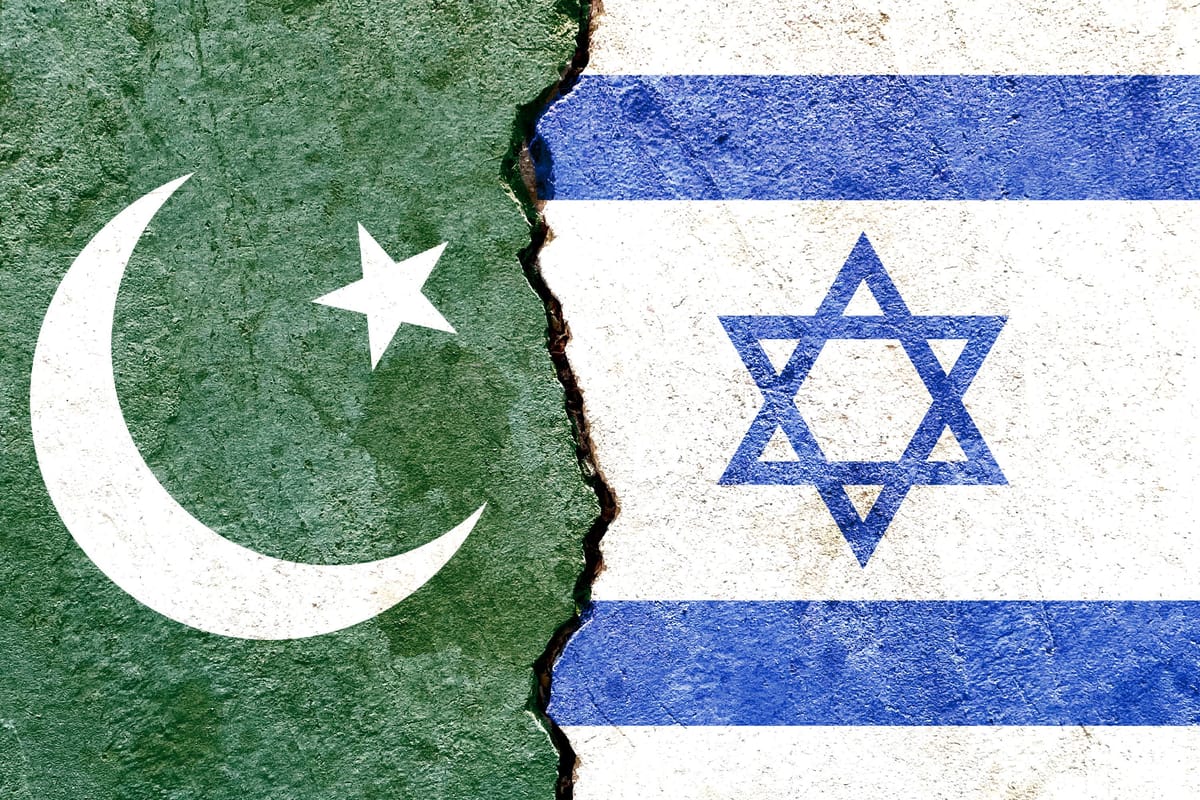
Pakistan has become the first nation to publicly refuse President Donald Trump's sweeping demand that Muslim countries involved in Iran peace negotiations "mandatorily" join the Abraham Accords and normalize relations with Israel, with Islamabad's defence minister making clear the request conflicts with the country's core principles and longstanding foreign policy.
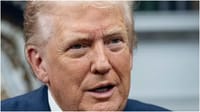
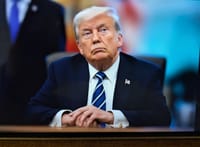
The rejection came after Trump posted on Truth Social on Monday calling it "mandatory" that all countries involved in the Iran negotiations simultaneously sign the Abraham Accords, listing Saudi Arabia, Qatar, Pakistan, Turkey, Egypt, and Jordan as the countries he expected to comply. He stated that the negotiations with Iran were "proceeding nicely" and framed the mass normalization push as a potentially "Historic Event" for the Middle East.
According to Axios, when Trump raised the normalization request during a call with the leaders of those nations, there was silence on the line. Trump reportedly joked and asked if they were still there.
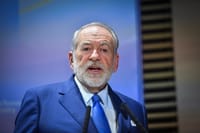
Pakistan moved fastest to push back. Defence Minister Khawaja Muhammad Asif, speaking on Pakistani broadcaster Samaa TV, said: "Personally, I don't think we should join any such accord which clashes with our fundamental ideologies." He added: "We have a very clear stance that it is not acceptable to us."
Asif also raised pointed questions about Israel's trustworthiness as a partner. "How will you sit with those people whose word cannot be trusted for even a single day?" he asked, and noted that Pakistani passports remain the only passports in the world that explicitly exclude Israel by name.
The core of Islamabad's objection goes beyond ideology. Pakistan appears deeply uncomfortable with Trump's conflation of two distinct diplomatic tracks: the Iran ceasefire negotiations, in which Pakistan has been playing an active mediating role, and the question of normalizing ties with Israel, which touches on entirely different political, religious, and strategic considerations. Islamabad does not want its relationship with Tehran to be damaged by being seen as too aligned with a US-backed regional arrangement that includes Israel.
Pakistani journalist Kamran Yusuf told the BBC that although Pakistan is currently playing a mediating role between Iran and the United States and has good relations with Trump, "this does not mean that it will change its policy towards Israel."
Pakistan has never recognized Israel since the Jewish state's founding in 1948, and Islamabad's position has long been that it will not do so until an independent Palestinian state is established on pre-1967 borders with East Jerusalem as its capital. The ongoing devastation in Gaza has made any movement on that front politically toxic across the Muslim world.
None of the other named countries publicly reacted to Trump's demand, and analysts noted that a positive response was unlikely given the deep public mistrust of Israel across these nations in the wake of the Gaza conflict.
Saudi Arabia's position is more nuanced. Riyadh has previously signaled openness to normalization with Israel, but hardened its stance after the Gaza war began in 2023, and is now insisting on an "irreversible pathway" to a Palestinian state as a precondition.
Iran itself dismissed the idea that it could ever join the Abraham Accords as "wishful thinking," with Foreign Minister Abbas Araqchi stating: "Iran will never recognize an occupied regime that has committed genocide and killed children."
Trump's move drew enthusiastic support from some American hawks. Senator Lindsey Graham praised the normalization push on social media, writing that "with Saudi Arabia and others like Pakistan making peace with Israel, the region will know a level of stability never dreamed of before President Trump." But the immediate reality on the ground suggests the gap between Trump's vision and the willingness of Muslim-majority nations to follow is vast.
It's especially unsurprising considering that Pakistan is no friend of Israel's.