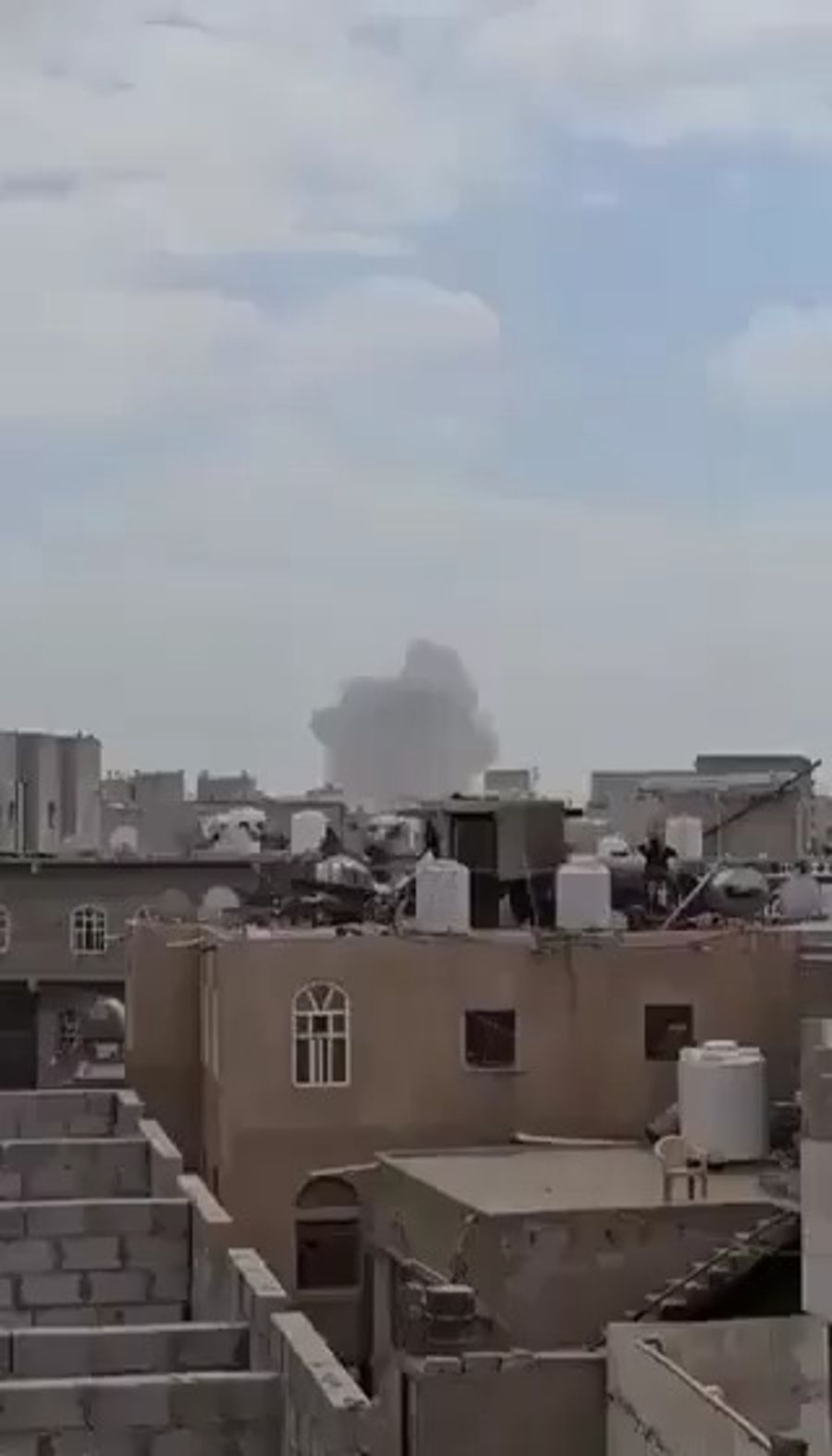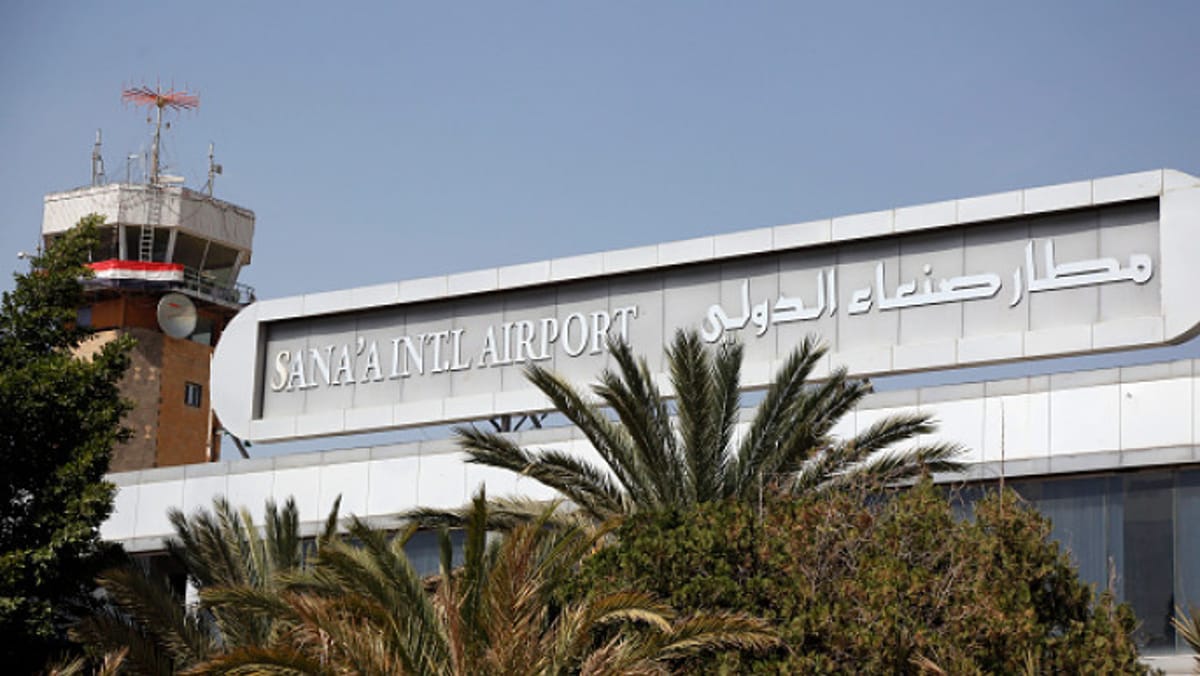
Saudi Arabia carried out airstrikes on Sana'a International Airport on Monday, according to Houthi-affiliated media, hours after a civilian aircraft that landed there briefly departed under circumstances the two sides describe very differently.
Yahya Saree, the military spokesman for Yemen's Houthi movement, said in a statement carried by Houthi-linked outlets that the strikes marked the end of what he called efforts to prevent an escalation. "In unjust and blatant aggression, the Saudi enemy attacked Sana'a International Airport in several airstrikes, thereby putting an end to the efforts to prevent escalation," Saree reportedly said. "Because of this, it must bear the consequences of its acts of aggression. We emphasize that this aggression will not go unanswered." As of this writing, that account has circulated primarily through a single chain of regional outlets, and neither Saudi Arabia nor international wire services had confirmed the strikes independently.
The reported strikes came after a plane landed at the Houthi-controlled airport Monday morning and departed roughly an hour later. According to flight data cited by Erem News, the aircraft was a Boeing 727 registered in Kenya and operated by Saif Air, which took off from Djibouti and landed in Sana'a around 9 a.m. before departing around 10 a.m. Observers believe the flight likely belonged to the United Nations, though that has not been officially confirmed, and this detail similarly traces to a single reporting chain rather than confirmed wire reporting.
The episode is the latest flashpoint in an escalating, and independently well-documented, standoff over who controls access to Sana'a's airport, which has been under Houthi control since 2014. On July 3, an Iranian civilian aircraft operated by Mahan Air landed at the same airport, the first publicly confirmed Iranian civilian flight there in roughly a decade, carrying more than 200 stranded, wounded, and sick Yemeni civilians before departing for Tehran with a senior Houthi delegation bound for the funeral of Iran's late Supreme Leader Ali Khamenei. Saree said at the time that Yemeni air defenses fired missiles at Saudi warplanes attempting to block that flight, forcing them to withdraw, an account corroborated across Al Jazeera, Xinhua, and multiple regional outlets.
Yemen's internationally recognized government and the Saudi-led coalition condemned that July 3 landing as a violation of Yemeni sovereignty, and Presidential Leadership Council chairman Rashad al-Alimi later alleged the flight had actually carried Iranian military and security personnel and drone and missile experts rather than the humanitarian cargo the Houthis described. Iran subsequently requested a follow-up Mahan Air flight to return the Houthi delegation from Tehran, a request Yemen's government rejected, proposing instead that the delegation return aboard a Yemenia Airways charter.
Saudi Arabia has not issued any official statement confirming or denying Monday's reported strikes. The coalition had separately named Sana'a airport, along with the ports of Hodeidah, Ras Isa, and as-Salif, among potential targets in a July 4 statement warning of "unprecedented" force against any Houthi escalation, a statement that is independently confirmed.
The dispute over the airport reflects a broader unraveling of the fragile truce that has held since 2022. Yemen's government has argued that any flights in or out of Sana'a operating outside its authority threaten to turn the airport into a channel for expanding Iranian military support to the Houthis, while the Houthis maintain their right to operate the facility and have vowed that flights between Sana'a and Tehran will continue regardless of consequences.