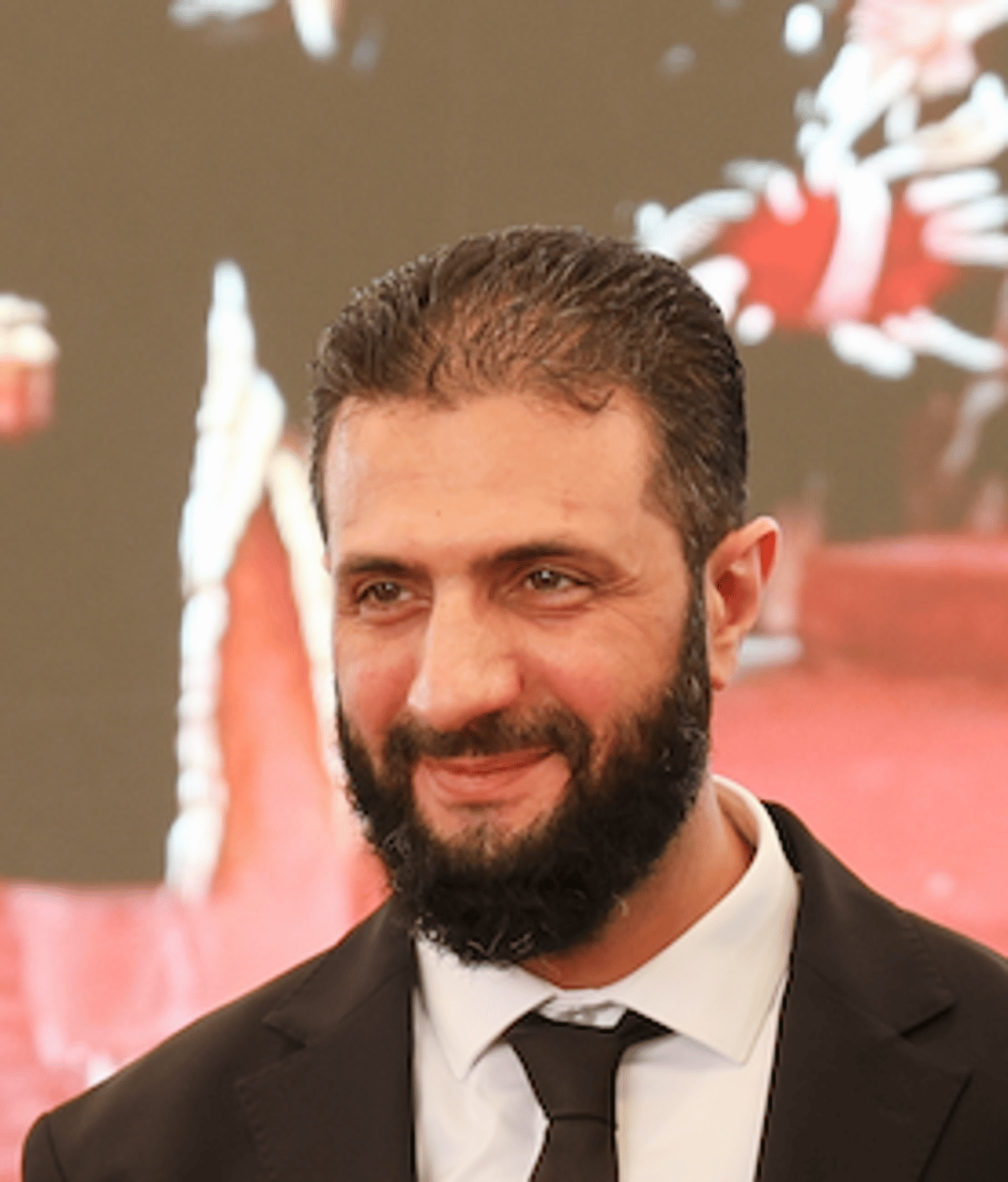
Syria's transitional military has declared a heightened state of alert that monitors say is primarily targeting the 62nd Division under Brigadier General Muhammad al-Jassem (known as "Abu Amsha"), signaling continued friction between the government and military commanders whose loyalty to centralized authority remains contested.
Alert Targets Former Militia Units
According to the Syrian Observatory for Human Rights (SOHR), the declared maximum alert has disproportionately focused on the 62nd Division and surrounding areas in Hama and Idlib, with General Security checkpoints and patrols intensified around division bases and major cities. The 62nd Division is largely composed of former fighters from the Turkish-backed Sultan Suleiman Shah Division of the Syrian National Army, a militia with strong personal and foreign-state allegiances that the transitional government has moved to subordinate.
SOHR reporting also documented troop movements, including deployments near the Iraqi border, which analysts suggest may serve partly as a distraction from actions focused on the 62nd Division's bases in Hama province.
Broader Consolidation Effort
The alert reflects a pattern documented by military monitors and analysts: the al-Sharaa government (led by transitional President Ahmed al-Sharaa, formerly known as Abu Mohammad al-Jolani) is attempting to dismantle autonomous militia structures and place all armed formations under centralized Ministry of Defense command, often staffed with figures aligned with Hayat Tahrir al-Sham (HTS).
Abu Amsha, the 62nd's commander, is under U.S. and European Union sanctions for involvement in abuses and extortion, particularly against Kurdish populations in Afrin. His division remains one of the most powerful independent military formations outside direct state control, making it a natural focal point for government consolidation efforts.
Reported Meeting and Tensions
Syrian sources have circulated accounts of a tense meeting between President al-Sharaa and Abu Amsha in which the government leadership allegedly sought to remove him from command and transfer control to Brigadier General Jamil al-Saleh, a respected Hama-area officer who defected from the Assad regime in 2012 and commanded the prominent opposition faction Jaysh al-Izza before integration into the new army.
According to these reports, Abu Amsha refused the demand. Some social-media accounts claim he threatened to declare armed rebellion with his forces if removed, though this assertion has not been independently confirmed.
Critical Caveats
No Syrian government statement has officially confirmed the meeting, the removal demand, any threat of rebellion, or any detention of Abu Amsha. Although claims of his "disappearance" or house arrest have circulated on social media, they are still nothing more than rumors.
The cause of the maximum alert remains officially unclear. While military restructuring targeting autonomous militia power is one explanation, other factors—including pressure related to SDF (Kurdish) integration into the army or broader external signaling—may be contributing.
Turkish Role and Mediation
Turkish intelligence has been mentioned in some accounts as attempting to mediate between al-Sharaa and Abu Amsha's faction, consistent with Turkey's ongoing influence over former Syrian National Army elements. No official confirmation of mediation efforts has been provided.
What This Signals
The focus on the 62nd Division reflects the transitional government's larger challenge: absorbing or neutralizing former opposition militias that retain autonomous power, foreign backing, and commanders resistant to centralized state authority. The alert and restructuring push indicate that consolidation remains incomplete and contested, particularly among units like the 62nd that are composed largely of Turkish-backed fighters.