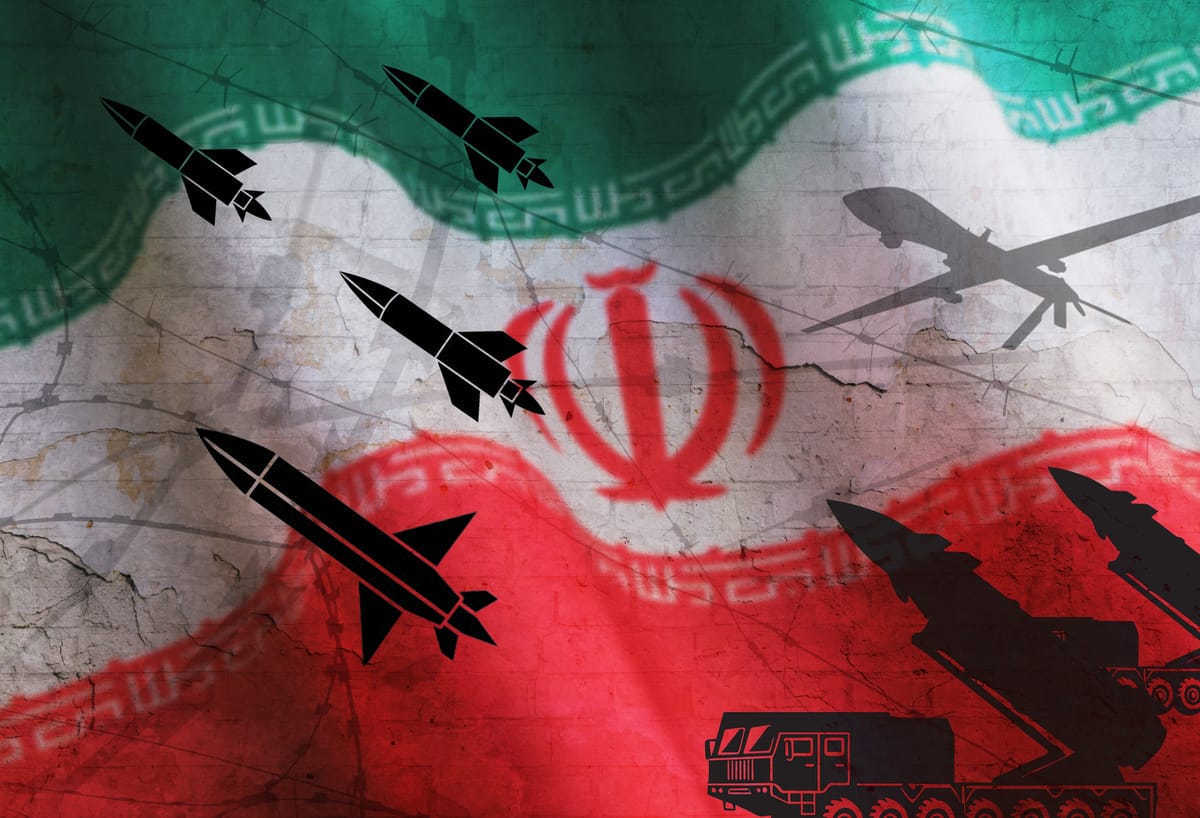
Kayhan, the newspaper regarded as the mouthpiece of the Iranian regime, has declared that American, Israeli and NATO interests and facilities as far as "the heart of Europe" now lie within range of Iran's precision missiles. The paper named U.S. and NATO military facilities in Britain, Italy, Greece, Romania, Albania and Cyprus, as well as the joint U.S.-British base on Diego Garcia in the Indian Ocean, as potential targets if the war resumes.
The paper tied the wider target list to a directive from Supreme Leader Mojtaba Khamenei lifting geographic limits on Iran's response, and stated that American bases in the region under U.S. Central Command (CENTCOM) are no longer the only targets.
In a written statement issued Saturday after a meeting with senior military commanders, Khamenei called for a comprehensive revision of Iran's military target bank so that all American and Israeli assets, physical and non-physical, fall within reach of Iran's armed forces.
"Any level or type of threat must be met with an immediate, impactful and geographically unrestricted response," Khamenei said. He warned that if Iran's enemies resume military or terrorist attacks against the Islamic Republic, the armed forces and the Iranian people will determine when and under what conditions those attacks end.
The threat follows a coordinated wave of warnings on the front pages of Iran's newspapers on Monday morning, one day before Tuesday's U.S. midterm elections, as speculation grew that President Donald Trump could authorize renewed strikes on Iran once the vote was over, Yeshiva World News reported.
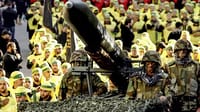
Hamshahri wrote that the armed forces stood ready to carry out Khamenei's orders, and ran images of senior commanders beside missiles on launchers. The paper reported that commanders had begun updating target lists, preparing new weapons and maintaining heightened readiness, and raised the possibility of striking American air bases, logistics centers and support facilities in Europe. Javan promised "devastating blows using new weapons."
Kayhan also wrote on Monday that Iranian forces were identifying new targets and planning operations in additional regions. Hamshahri cited speculation that Iranian missiles could reach targets 4,000 to 5,000 kilometers away, far beyond the 2,000-kilometer limit Iran long described as self-imposed, according to Iran International. Those estimates remain disputed, though Iran's attempted strike on Diego Garcia in March demonstrated a range of about 4,000 kilometers.
The threats come while diplomacy continues. Iran is holding indirect talks through Qatari mediators and is reviewing a letter that U.S. Vice President JD Vance sent to Mohsen Rezaei, secretary of Iran's Supreme National Security Council. Vatan Emrooz put Rezaei on its front page and stressed Tehran's demands for opening formal negotiations with Washington.
On Saturday, the Qatari newspaper Al-Araby Al-Jadeed reported, citing sources involved in the mediation, that the talks had produced a breakthrough and that an American delegation was expected to join them in Doha. According to those sources, preliminary understandings had been reached on Iran's nuclear program, shipping through the Strait of Hormuz and economic incentives for Tehran, with China and Russia expected to act as guarantors. A U.S. official denied to the Times of Israel that there had been a breakthrough or that American negotiators planned to join direct talks, and Iranian Foreign Minister Abbas Araghchi said there were no current plans to meet U.S. officials.
Qatar announced that Washington and Tehran are reviewing proposals to end the war and have agreed to avoid escalation in the region and the Gulf. A U.S. official confirmed American strikes on Iran's Qeshm Island on Monday. Also on Tuesday, Iranian lawmaker Kamran Ghazanfari claimed Iran may already have nuclear weapons capability. He also said Iran has intercontinental missiles that can reach both the U.S. and Europe, and warned European countries they would face attacks on their own territory.