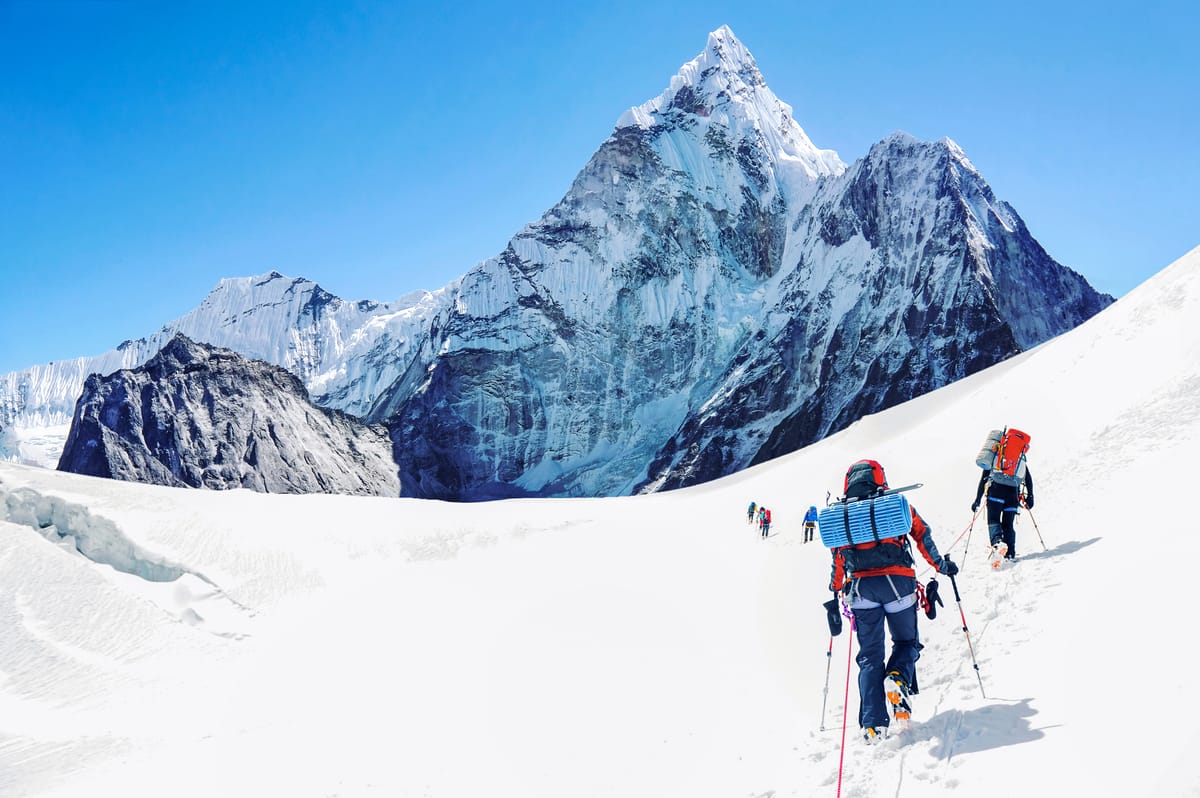
A massive blizzard gripping the Tibetan side of Mount Everest has stranded nearly 1,000 trekkers and climbers at altitudes above 16,000 feet, crushing tents and sparking fears of hypothermia among the exposed hikers.
Rescue teams, bolstered by hundreds of local villagers, are battling heavy snow to clear blocked roads and evacuate the group, with Chinese state media reporting that scores of tourists have already been guided to safety.
The storm, unusually severe for early October, began dumping heavy snow on Friday evening and raged through Saturday, blanketing campsites on the mountain's eastern slope in the Tibet Autonomous Region.
According to Jimu News, a Hubei province-based outlet affiliated with state media, the precipitation included torrential rain at lower elevations, exacerbating the chaos in the Himalayas. "People's tents are said to have been crushed," one report noted, with climbers huddling in freezing conditions as temperatures plummeted.
Rescue operations kicked into high gear early Sunday, focusing on the remote area near Qudang village. Local authorities have mobilized shoveling crews to reopen access routes buried under feet of snow, while guided groups of stranded individuals are being led down in stages.
CCTV, China's national broadcaster, confirmed that "hundreds of trekkers" had been safely escorted to lower ground by midday, with the remainder expected to follow under escort.
No fatalities have been reported, but the high-altitude exposure has left some climbers at risk of severe hypothermia.
The incident highlights the perils of Everest's north face, which draws fewer climbers than the Nepalese southern route but remains a magnet for adventurers seeking the world's highest peak. This season's early cold snap comes amid broader concerns over climate shifts in the region, where erratic weather patterns have increasingly threatened expeditions.
Officials urged caution for remaining teams, as forecasts predict lingering flurries into Monday.
As the sun sets on the rescue efforts, the focus remains on the final evacuations. "The remaining trekkers will arrive in Qudang in stages under the guidance and assistance of rescuers," state media assured, underscoring a coordinated push to avert disaster on the Roof of the World.