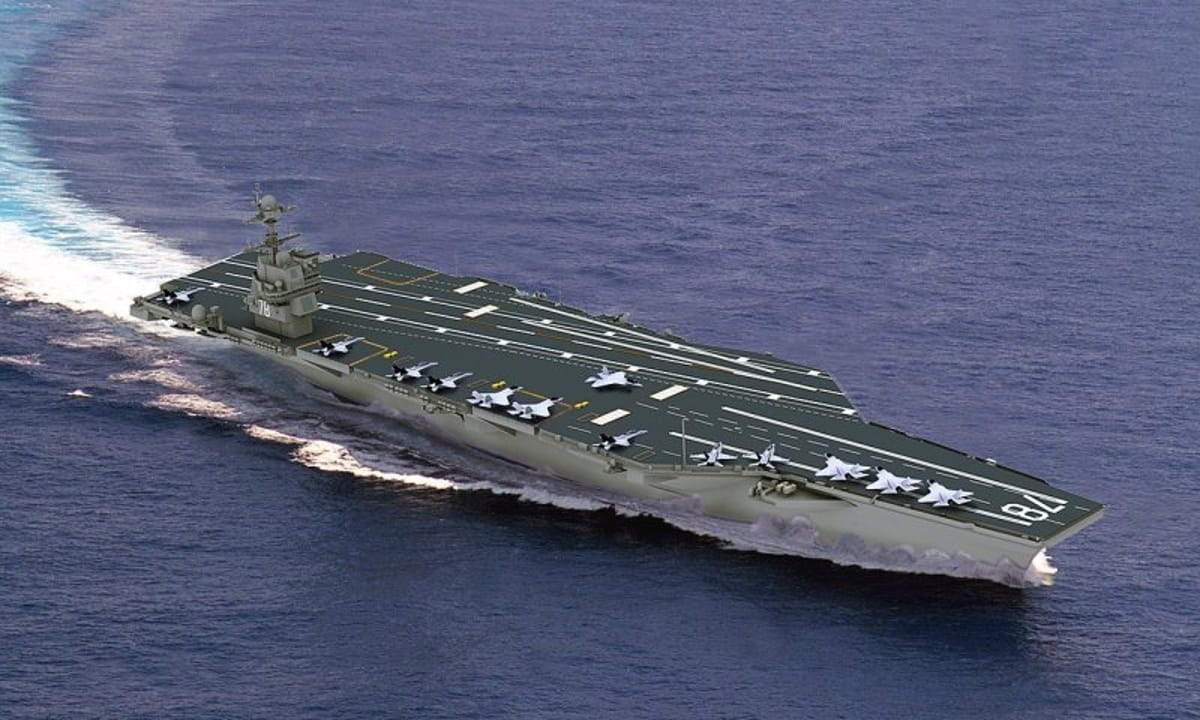
The global naval layout has undergone a sudden and highly significant realignment following instructions that have directed a major amphibious assault fleet to entirely vacate its operational stations within the Persian Gulf. According to official statements released by naval command, the specialized task force has altered its long-term deployment pattern, exiting the Middle Eastern theater entirely and sailing directly eastward. The massive transit is steering the armada toward new strategic positions located near the Philippines, representing a major reallocation of maritime combat power.
The centerpiece of this departing maritime force is the USS Boxer, a highly specialized amphibious assault vessel that functions effectively as a light aircraft carrier. The capital ship carries an integrated complement of advanced fighter aircraft, heavy transport helicopters, and mechanized deployment systems. What distinguishes this specific platform is its capacity to coordinate rapid amphibious beach landings, transporting hundreds of elite marine forces directly into hostile environments at a moment's notice. The fleet was initially sent to the region when tactical planners were weighing the potential necessity of seizing sensitive maritime territory during the early stages of the regional war.
In addition to the primary assault ship, the departing task force comprises a comprehensive array of sophisticated escort vessels, including air defense destroyers, specialized missile interception platforms, and dedicated fleet replenishment ships. The entire naval asset pool is scheduled to be repositioned alongside the USS George Washington strike group, which is currently managing western operations. This massive migration of hardware significantly alters the balance of naval power within the immediate maritime corridors.
The unexpected movement of these primary combat vessels occurs amid intense scrutiny regarding the broader geopolitical posture of the current administration. Local defense commentators have noted that the reduction of visible naval power follows a period of immense pressure placed upon regional allies to enforce immediate ceasefires along active land borders. The withdrawal of such a high-profile deterrent force is being interpreted by international monitors as a clear sign that the White House is prioritizing alternative theaters of operation.
While logistics experts emphasize that routine fleet rotations are common, the complete removal of the amphibious strike framework leaves a noticeable gap in immediate response capabilities within the Gulf. Strategic analysts suggest that the deployment toward Asian waters is intended to reinforce defensive alliances and project power against alternative global competitors. As the task force continues its long journey eastward, regional powers are closely monitoring the remaining defensive infrastructure to gauge the true extent of future international commitments.