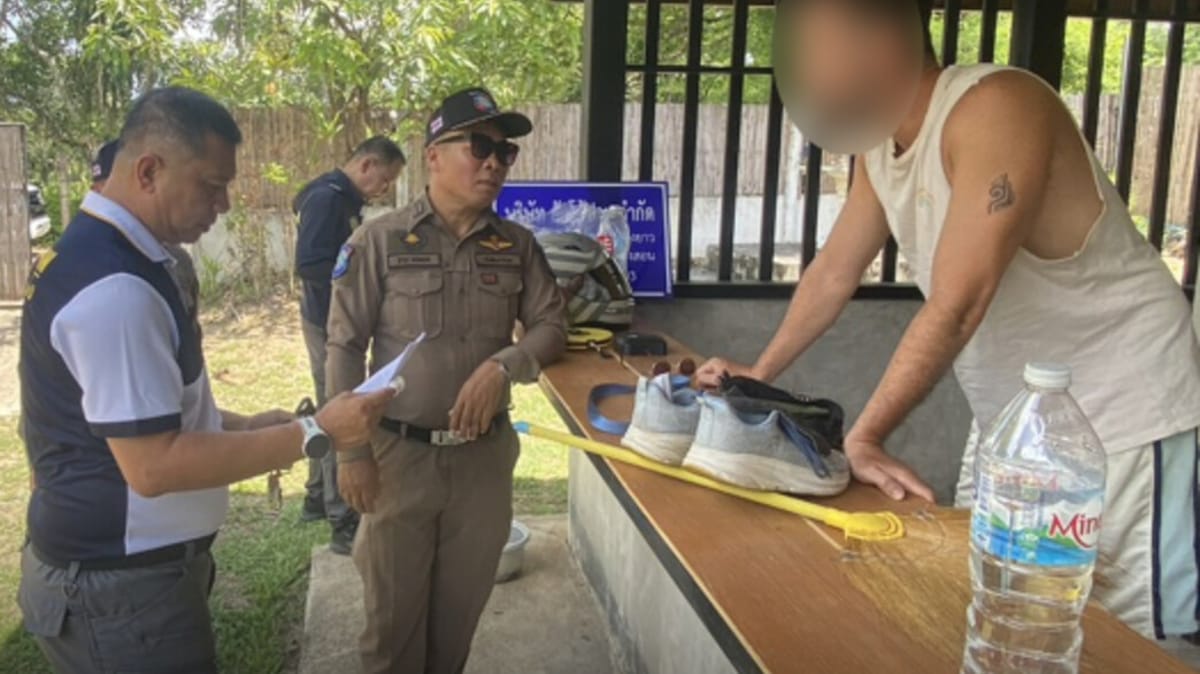
Authorities in Thailand executed a high-profile arrest in the northern province of Pai, detaining a thirty-nine-year-old Israeli businessman accused of running an illicit commercial enterprise. The suspect allegedly utilized local Thai citizens as straw owners to mask his total control of a restricted studio business, directly violating national regulations regarding foreign corporate management. Elite corporate crime units tracked the individual to his local office before presenting a formal warrant authorized by provincial magistrates.
The criminal charges levied against the entrepreneur include conspiracy to provide fraudulent information to public registries, a severe offense involving the manipulation of official state documentation that could harm public trust or commercial safety. Additionally, the suspect faces indictments for violating foreign business acts, which strictly prohibit non-citizens from operating specific categories of service and entertainment industries without explicit ministerial permits. Local police confirmed the suspect verified his identity upon arrest and admitted to being the individual named in the active warrant.
This targeted enforcement action is part of a much broader, coordinated campaign initiated by Thai immigration officials and economic crime divisions to root out foreign syndicates exploiting local front partners. Earlier in the week, similar operations resulted in the immediate deportation of ten foreign nationals in the Koh Phangan region for identical corporate registration fraud. Regulators warned that any commercial property found utilizing local citizens to shield foreign capital will face immediate closure, asset forfeiture, and criminal prosecution.
The suspect has been transferred to regional headquarters for intensive interrogation regarding his financial networks and to identify any local accomplices who assisted in falsifying the registry papers. Investigators are examining corporate bank accounts and cross-referencing registration signatures to determine if a larger network of facilitators is operating within the tourism sector. The arrest sends a clear signal to expatriate business communities that regional authorities are tightening oversight on foreign investments and will no longer tolerate the evasion of statutory ownership caps.