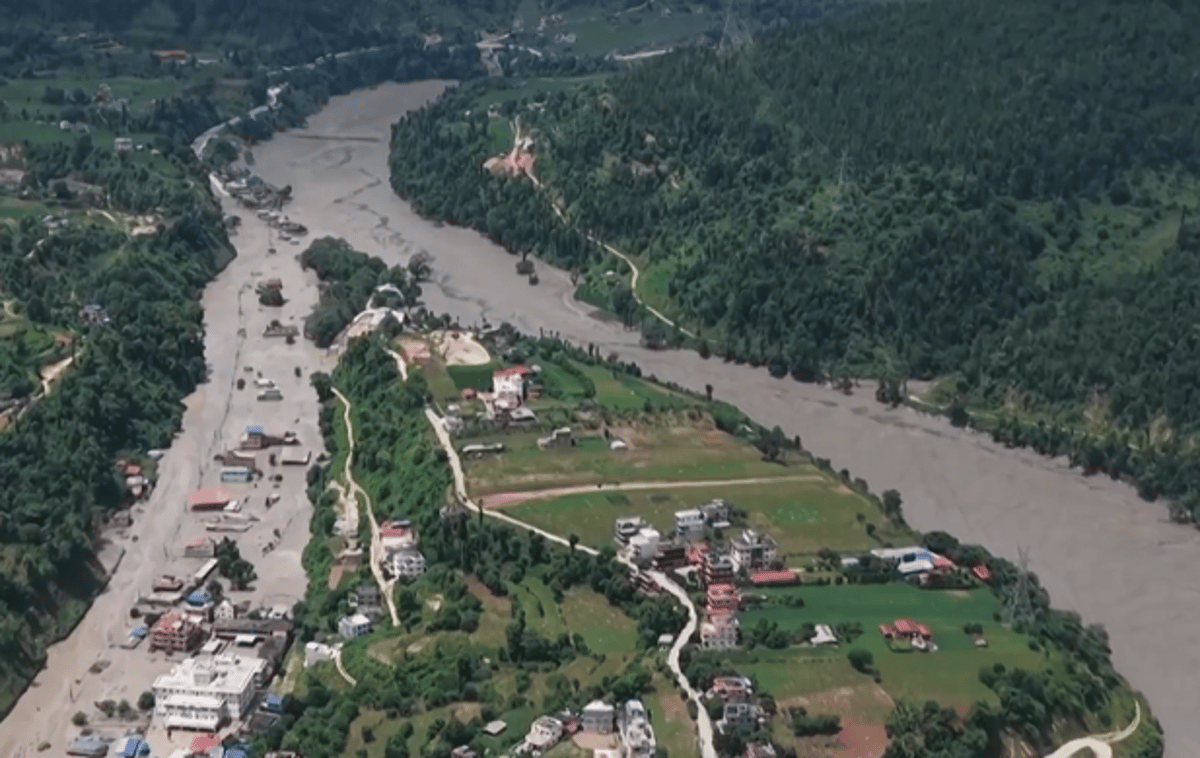
As Nepal grapples with devastating floods and landslides along the Trishuli River, the government has launched a parallel battle against a wave of misinformation spreading across social media. Authorities have approached local representatives of Meta and TikTok with an urgent demand: remove misleading content quickly, including AI-generated videos, old footage falsely presented as current disaster documentation, and fraudulent donation advertisements.
During a meeting held Friday, government officials asked both companies to respond immediately to reports of problematic content rather than waiting one to two days before taking action. According to Bijay Kumar Roy, coordinator of the government task force on social media regulation and management, the platforms were also asked to improve their early detection capabilities for false, graphic, and misleading material.
The central concern for authorities is the blurring line between genuine information and fabricated content. While families search for missing relatives, rescue teams work in the field, and the public tries to understand the scope of the damage, AI-generated videos can create false impressions of disaster zones, mislead people about victims' conditions, and undermine trust in official information.
Fact-checkers have already identified several examples of fake content that gained wide circulation. One video, approximately ten seconds long and allegedly showing floodwaters sweeping through a town, was flagged as likely AI-generated. Further examination revealed telltale signs of manipulation: objects disappearing between frames, buildings distorting, rocks changing shape, and structures suddenly appearing during camera movement.
Alongside fabricated videos, old clips from previous disasters and other countries are being recirculated without context and presented as current documentation from Nepal. In some cases, these materials include QR codes or donation links supposedly for victims but potentially leading to fraud. Authorities are urging the public not to transfer money through unfamiliar links and to verify that all donations go only through recognized aid organizations, official bodies, or charities with clear contact information.
The misleading information is spreading across Facebook, Instagram, TikTok, YouTube, and X, sometimes appearing simultaneously in multiple languages. This situation complicates oversight and content removal, especially when videos are copied and re-uploaded from different accounts within short timeframes.
The digital battle is unfolding alongside an acute humanitarian crisis. According to Nepali authorities, the death toll from the disaster has reached the hundreds, thousands more remain missing, and rescue forces have extracted thousands of people from affected areas. The floods, reportedly caused by a glacial collapse near the Nepal-Tibet border, initially struck border regions before flowing downstream into the Rasuwa and Nuwakot districts.
International aid has already begun arriving in the country, but authorities warn that spreading false information could hamper rescue and relief efforts. From the Kathmandu government's perspective, the fight isn't just against this or that fake video, but against a phenomenon that could divert donations, trigger panic, and damage the public's ability to receive reliable information during critical hours.