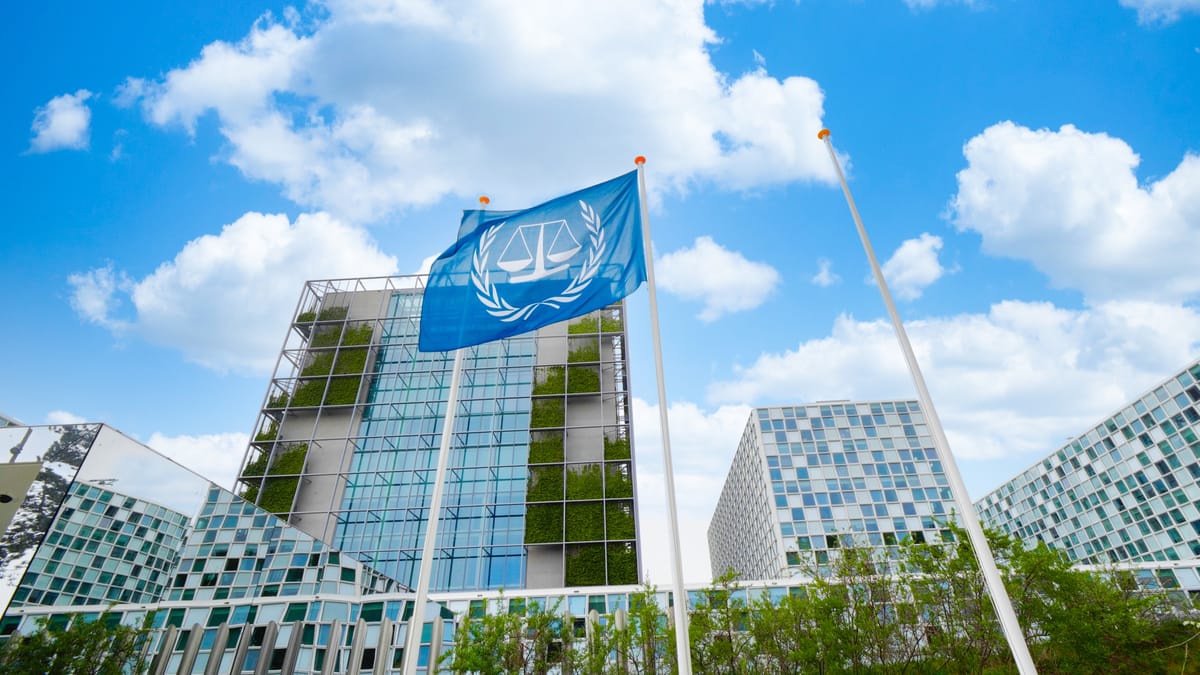
To date, the administration has imposed personal sanctions on several judges and prosecutors at the court, including former chief prosecutor Karim Khan, who was removed from his position in summer 2026 amid sexual harassment allegations that he denies, court president Tomoko Akane, and other officials. The personal sanctions include asset freezes and entry bans to the United States, and have complicated their daily operations.
Experts note that sanctions on the entire organization could severely damage routine operations: payments to employees, IT services, insurance, hiring investigators, and managing bank accounts. International banks and companies tend to avoid risk and over-comply with American sanctions, due to their dependence on the dollar system. The court, which employs approximately 900 staff from some 100 countries and counts 125 member states, could struggle to function.
In Europe, calls have been heard in the past to activate a "blocking statute" that would prevent European companies from complying with such American sanctions, but it is unclear whether there is sufficient support for such a move. The tension between Washington and The Hague has continued for years, and intensified particularly since the arrest warrants against the Israeli leaders.
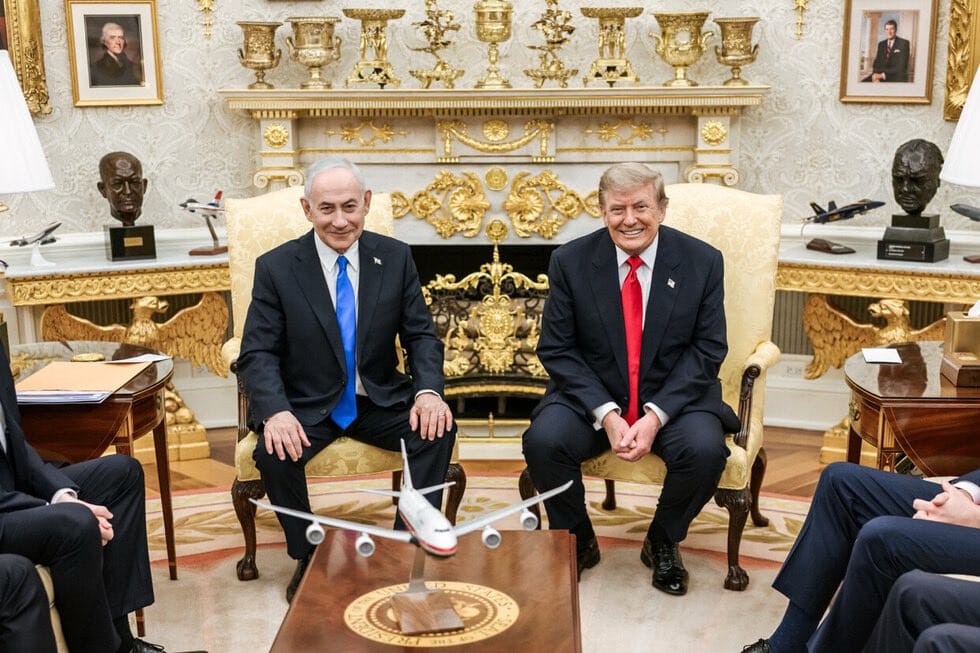
President Donald Trump acknowledged previously that the sanctions on senior officials of the International Criminal Court are intended first and foremost to protect Prime Minister Benjamin Netanyahu. "There's no information that they're going after me," Trump told reporters at the White House. "That could maybe happen in the future, but the steps we took weren't designed to protect me, they were designed to protect Bibi and other people."
The planned move, if fully implemented, would set a precedent, sanctions on an entire international institution dealing with war crimes, crimes against humanity, and genocide. As of now, no final official announcement has been issued from the State Department or the U.S. Treasury, and the precise details may change.