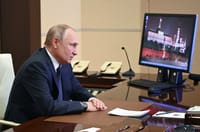
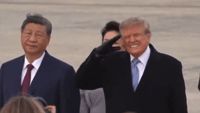
Erdoğan's imperial dream stepped out of the shadows this week, and the man waving the sword is Ibrahim Karagül, the regime's chief propagandist in Ankara. In a chilling manifesto published recently, he redraws the blood map of the Middle East and threatens to turn back the clock to the days of the Ottoman Empire.
Direct Islamic threat
Erdoğan ally: destroy Tel Aviv, leave no stone
Ibrahim Karagül, leading voice of Turkey's neo-Ottoman camp, publishes manifesto threatening to flow in millions toward Israel, seize Greek islands, and restore empire by force, as Ankara's rhetoric crosses into open war talk
"The break is over. We're back." These are not the words of some fringe politician, but the dramatic declaration of one of the most prominent and influential voices in Turkish media: the writer-journalist Ibrahim Karagül.
Karagül, who represents the dominant neo-Ottoman and Islamist-nationalist current in Erdoğan's Turkey, recently unfurled a disturbing manifesto on the future of the region. His position is clear: the last century, since the Treaty of Lausanne in 1923 that shaped the borders of modern Turkey, was only a "temporary break." According to him, Turkey is the sole legitimate heir of the Ottoman Empire, and no power in the region can "draw maps" without it.
The nightmare scenario: step by step
But the problem is not just historiography; it is the explicit, practical threats. Karagül, who holds an extreme anti-Western and anti-Israel worldview, presents an aggressive response scenario to what he calls an "Israeli attack in cooperation with the United States" against his country.
As part of these threats, he details a list of horrifying steps, including seizing the Aegean islands, "liberating" Western Thrace and even conquering all of Greece, as well as extending Turkish control over all of Cyprus. Greece and Cyprus are accused by him of being "mercenaries" carrying out Israel's agenda.
"The main front": the threat to Israel
The most disturbing moment in his manifesto is the explicit threat against the State of Israel, which he defines as "the real and main front." In what he wrote against Israel, Karagül leaves no room for ambiguity: "We will take it and destroy Tel Aviv, and liberate holy Jerusalem. We will flow in millions toward Israel, and we will not leave a stone standing."
Admittedly, extreme threats of this kind have appeared in Karagül's writings and statements for years, including the demand to change the status of the islands and the doctrine of "Blue Homeland" (Mavi Vatan), but this time the words take on added force against the backdrop of rising tensions in the Middle East and the rise of neo-Ottoman discourse in Ankara.
On a collision course
The extreme vision presented by Ibrahim Karagül is not the fruit of isolated imagination; it rests on a deep ideological infrastructure that has been developing and strengthening in Turkey in recent years. The current Turkish conception is composed of several central strategic layers:
Revival of the empire: a declared aspiration to restore political and security influence to areas that were once an integral part of the Ottoman Empire, from the Balkans, through the Middle East and to North Africa. Erdoğan himself frequently cultivates the concept of "borders of the heart" and uses historical narrative to justify deep regional intervention.
"Blue Homeland": an aggressive maritime doctrine developed by Turkish admirals, which holds that Turkey has exclusive and extensive rights in the Aegean Sea and the eastern Mediterranean, far beyond what is recognized in international law (it should be noted that Turkey has never signed the UN Convention on the Law of the Sea). According to this approach, the multitude of Greek islands "block" Turkey's sea outlet, and the existing geographical maps need to be "corrected."
Siege syndrome: the close axis of cooperation between Greece, Cyprus and Israel is perceived in Ankara as a direct threat to national security. Turkish frustration is growing especially in light of security deals and the supply of advanced warfare systems from Israel (such as Spike missiles and air defense systems) positioned on islands close to Turkish shores.
While these doctrines are usually formulated to serve Turkish domestic public opinion, to inflame nationalism, create a sense of pride and glorify the regime's image, Karagül and his colleagues push them beyond any accepted diplomatic logic.
They take the territorial and maritime claims and turn them into manifestos of violent conquest and a campaign "to liberate Jerusalem," which serve as a central tool in psychological warfare against the West, Greece and Israel.
Can Turkey's army actually conquer Greece?
While media outlets close to the Ankara regime and figures like Ibrahim Karagül scatter ostentatious declarations about "liberating Greece" and "conquering Tel Aviv," the military and strategic reality on the ground tells a completely different story.
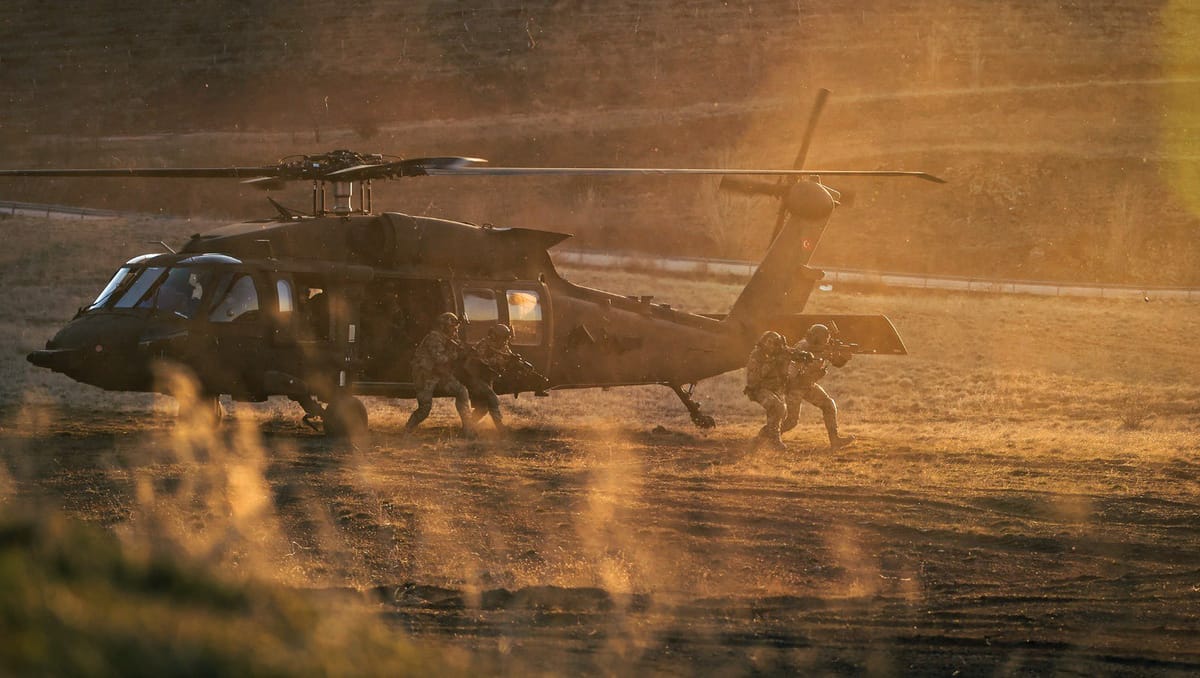
On paper, Turkey holds a huge advantage in raw numbers: massive manpower, thousands of tanks, an advanced drone industry and an army significantly larger than that of its western neighbor. However, military analysts make clear that moving from war rhetoric to a comprehensive ground or naval operation is an almost impossible obstacle.
Several iron walls stand in the way of any Turkish attempt to realize these threats:
The geographical obstacle and fortified islands: the Aegean Sea is strewn with hundreds of Greek islands, many of which have become genuine military fortresses in recent years. They are equipped with advanced air defense systems, anti-tank missiles and precision fire systems. Carrying out an amphibious landing or assault under such conditions, facing naval superiority and dense intelligence, is considered one of the most complex scenarios in modern warfare theory.
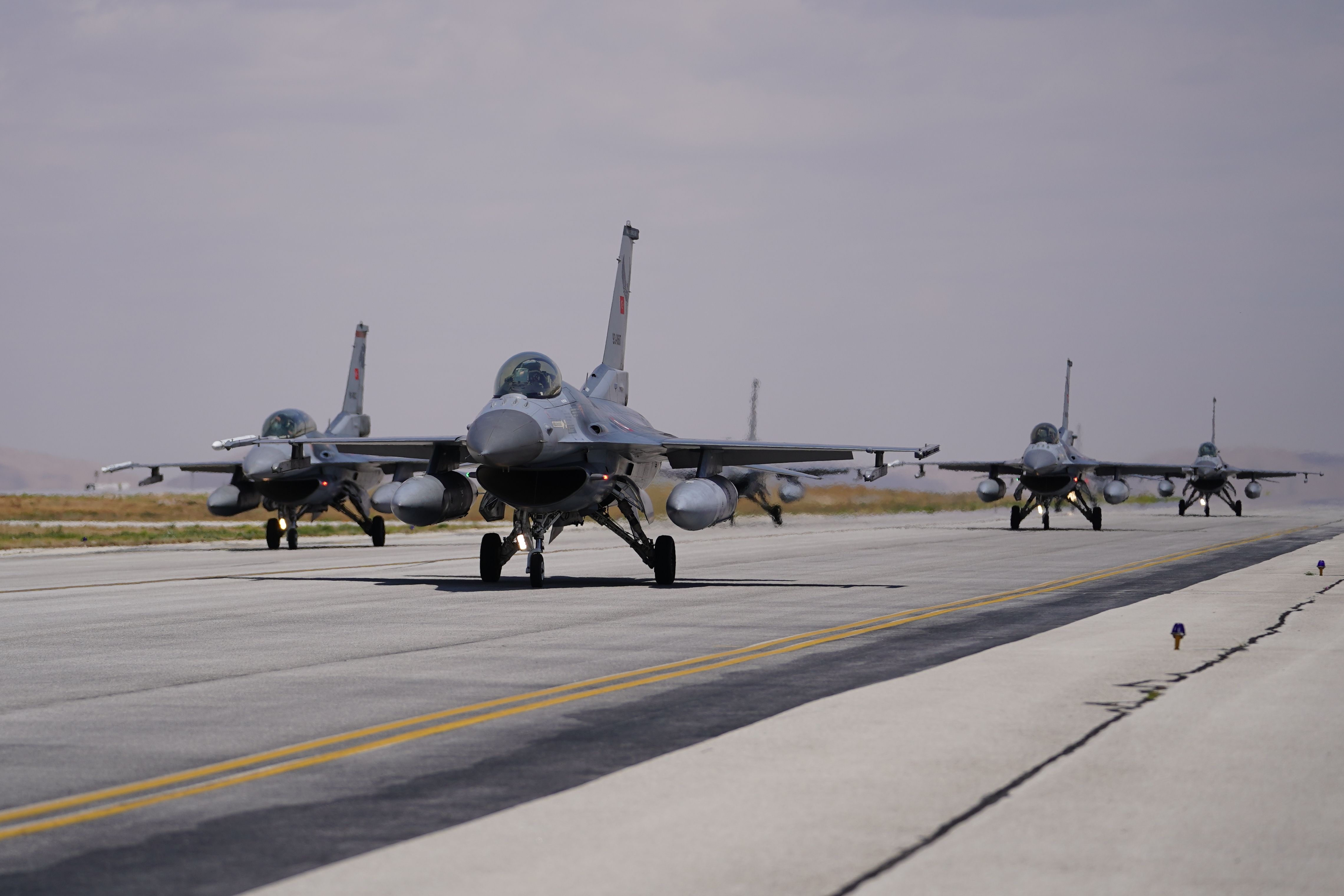
Quality versus quantity - in the skies and at sea: Greece has not lagged behind and has invested a fortune in a dramatic upgrade of its military capabilities. The Greek military now holds advanced Rafale jets, a fleet of upgraded F-16s, quiet and deadly submarines, and new frigates. Beyond that, the close security partnership with Israel provides it with an intelligence envelope and exceptional precision capabilities.
The economic price and war of attrition: even in a limited scenario of attempting to seize just a handful of islands, the price in casualties and military equipment would be extraordinarily heavy for Ankara. Beyond that, any such action would immediately drag into an ongoing operation that would become a difficult war of attrition that would paralyze the Turkish economy.
The land front in Western Thrace: an attempt at a land invasion in the border area or toward Western Thrace, where a Muslim minority lives, would encounter fierce resistance from the Greek army and international dynamics that would require an immediate response from NATO and the powers.
The bottom line: military analysts and strategy experts are unanimous: a scenario of "quick conquest within a week" is not a realistic operational plan on the ground, but a propaganda fantasy designed to serve internal needs and conduct psychological warfare against the West.
Ankara: a paper tiger
Beyond the obvious military difficulties on the ground, any scenario of confrontation or invasion against Greece encounters an impenetrable wall of international restraint and weighty internal considerations that curb Ankara:
The NATO trap and regional agreements: Turkey and Greece are both members of NATO, a fact that would turn a Turkish attack into an unprecedented existential crisis for the alliance, since the defensive Article 5 is not automatically activated in an internal conflict between its members. Beyond that, Greece is a full member of the European Union, enjoys solid defense agreements (such as the defense pact with France), and hosts an extensive American presence at its bases, alongside the close strategic partnership with Israel that raises the level of risk for broad regional escalation.
The economic price and constraints from home: the diplomatic, economic and military price Turkey would have to pay for such a move would be astronomical: heavy sanctions, severe political isolation, economic collapse and a real possibility of Western military intervention. Alongside this, the regime in Turkey is constrained by a complex internal reality that includes a fragile economy, management of complex military fronts simultaneously (such as in Syria, Libya and Iraq) and the supreme need to maintain regime stability at home.
Bottom line: rhetoric versus reality on the ground: Ibrahim Karagül's fiery declarations reflect a deep and dangerous conception that exists in nationalist circles in Turkey, an explosive mixture of imperial nostalgia, a false sense of power and constant anxiety about strategic "siege." But the operational and political feasibility of actual takeover of Greece approaches zero under current circumstances. This is mainly a propaganda tool and rhetoric designed to deter rivals, inflame internal support and convey a threatening message.
That being said, any local naval or air incident could ignite an unplanned fire, which requires Israel and the world to continue monitoring what is happening.
The Israeli response: an iron axis against Erdoğan's ambitions
Israel treats Turkey's neo-Ottoman dream, and extreme rhetoric like that of Ibrahim Karagül, with growing seriousness, but with discretion rather than panic. The Israeli response combines a firm diplomatic front, building close regional alliances and massive strengthening of military deterrence.
Senior Israeli political officials directly and bluntly reject the statements from Turkey. Prime Minister Binyamin Netanyahu has called Erdoğan an "antisemitic tyrant," and other ministers have defined the Turkish regime as a "new Iran" or an imperial-jihadist threat, seeing in this rhetoric a systematic attempt to undermine Israel's legitimacy.
The triangular alliance, "NATO of the eastern Mediterranean": the central strategic response is deepening an iron partnership with Greece and Cyprus.
Military and operational cooperation: joint exercises, intelligence tightening and a triangular response plan that includes a rapid force of about 2,500 soldiers.
The main concerns include Turkish military presence in Syria creating direct friction, providing refuge and coordination for Hamas activity in Ankara, a direct threat to energy routes and freedom of navigation, and Turkey's rapid strengthening in drones, electronic warfare and naval capabilities. On the other hand, Israel is strengthening interception capabilities, deepening intelligence and maintaining channels of dialogue through the United States to prevent uncontrolled escalation.
Response boundaries and the red defense line: Israel refrains from unnecessary escalation out of recognition of Turkey's status in NATO and its ties with the US administration, and prefers to contain the threat through smart diplomacy, alliances and a clear qualitative advantage. However, the clear message is that any real harm to its sovereignty or to its allies' ownership will be answered with great force.
Bottom line
Israel does not see the dream as an innocent event alone, but as a long-term strategic threat. The Israeli response goes far beyond diplomatic rhetoric, and it is building a solid regional power axis that makes Ankara's presumptuous vision almost impossible to realize on the ground.
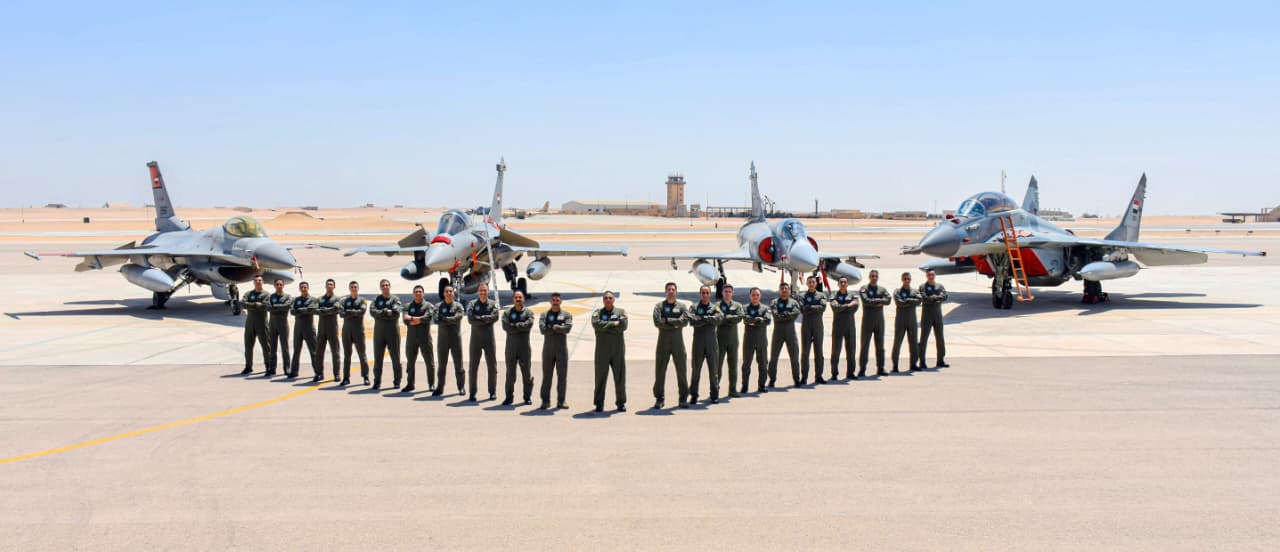
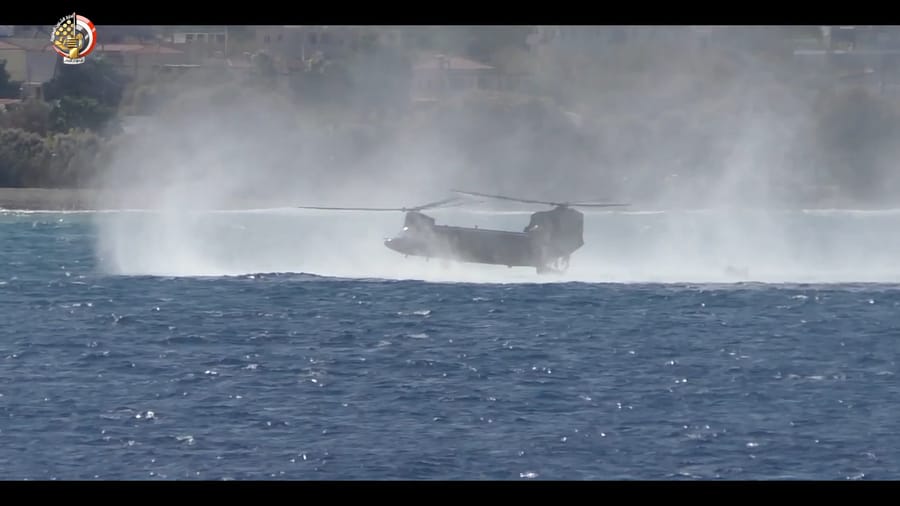
Joint military drill, Egypt and Greece| צילום: Photo: @EgyArmySpox Egyptian Armed Forces